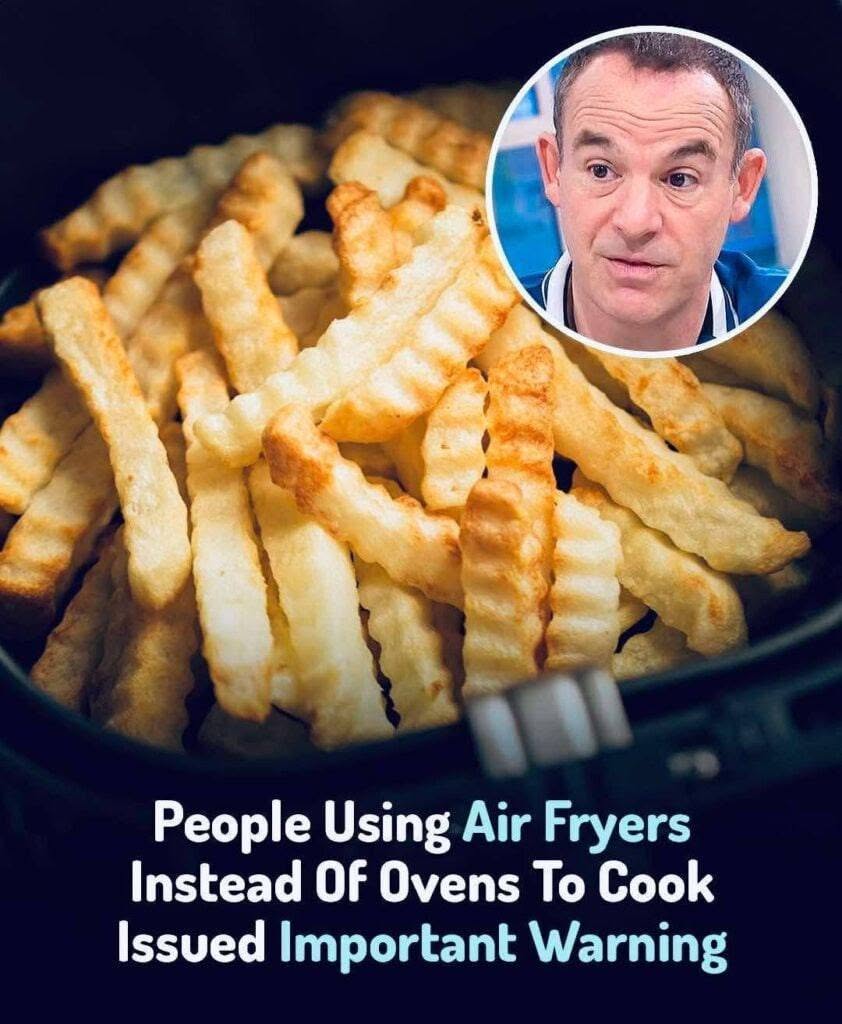
Are air fryers really better than ovens? Learn how air fryers compare with conventional ovens, potential health concerns, and practical ways to use them safely.
Air fryers have become a popular kitchen appliance because they cook food quickly and can produce a crispy texture with relatively little added oil. But claims that experts are warning everyone to stop using air fryers need some context.
An air fryer isn’t automatically unhealthy, nor is it necessarily better than an oven for every type of food.
1. Air Fryers Are Essentially Small Convection Ovens
Most air fryers circulate hot air rapidly around food. This allows foods to cook and brown efficiently, often using less oil than traditional deep frying.
A conventional oven can also use convection airflow, but it generally has a much larger cooking chamber.
2. The Food Matters More Than the Appliance
Cooking chicken, vegetables, fish, or potatoes in an air fryer can be a reasonable way to prepare meals.
The bigger concern is what you’re cooking. Regularly eating highly processed foods such as processed meats, heavily salted frozen foods, or sugary snacks isn’t made healthy simply because they’re prepared in an air fryer.
3. Very High Heat Can Cause Browning Compounds
When carbohydrate-rich foods are cooked at high temperatures, a natural chemical reaction called the Maillard reaction creates browning and flavor. Acrylamide can also form in some starchy foods during high-temperature cooking.
This doesn’t mean you need to avoid air-fried foods completely. You can reduce exposure by avoiding excessively dark or burnt food and following appropriate cooking temperatures and times.
4. Don’t Overcrowd the Basket
An overloaded basket can prevent proper air circulation and lead to uneven cooking.
For better results, arrange food in a relatively even layer and cook in batches when necessary.
5. Follow Food-Safety Temperatures
An air fryer doesn’t eliminate the need for safe food handling.
Raw poultry, meat, and other foods should reach their appropriate safe internal temperatures, measured with a food thermometer when appropriate.
6. Air Fryers Can Reduce Added Oil
Compared with deep frying, air frying can substantially reduce the amount of oil needed to achieve a crispy texture.
That can be useful if you’re trying to reduce overall calorie intake or saturated-fat consumption—but the nutritional quality of the food still matters.
7. You Don’t Have to Choose One Appliance
There is no universal rule saying you must replace your oven with an air fryer—or that you should stop using an air fryer.
An oven may be more convenient for large meals, casseroles, bread, or multiple trays of food. An air fryer can be particularly convenient for small portions and quick cooking.
So, Should You Stop Using Your Air Fryer?
Not necessarily. For most people, an air fryer can be a useful cooking tool when used properly.
The healthier approach is to focus on the overall diet: eat plenty of vegetables, fruits, whole grains, legumes, and other minimally processed foods, and limit heavily processed and excessively browned or burnt foods.
The appliance isn’t the main issue—the food, cooking method, portion size, and overall eating pattern matter much more.