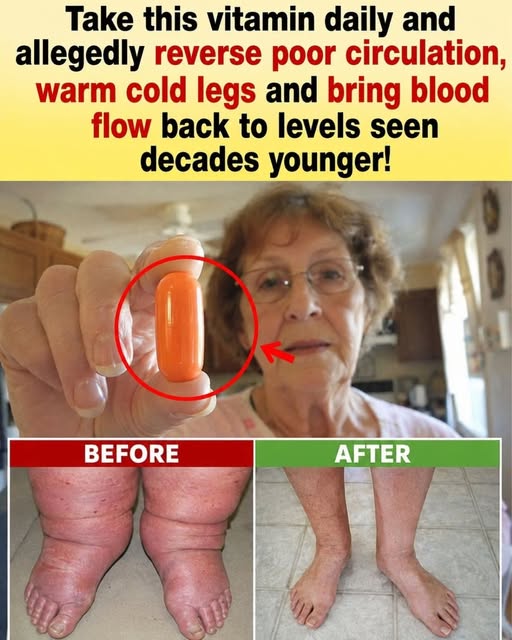
Learn how certain vitamins may support normal blood circulation, why cold legs can happen, and what evidence-based steps can help promote healthy blood flow.
Cold feet and legs can be frustrating, especially when they seem to stay cold even in a warm environment. This has led to growing interest in vitamins and supplements that may support healthy circulation. But can taking a vitamin every day actually improve blood flow or reverse circulation problems?
The answer depends on the underlying cause. Some vitamins are essential for normal blood vessel, nerve, and red blood cell function, and correcting a deficiency may support overall circulation and health. However, no single vitamin has been proven to dramatically restore circulation or make blood flow resemble that of someone decades younger.
Why Do Your Legs Feel Cold?
Cold legs or feet can have many possible causes. Sometimes the sensation is related to normal exposure to cold temperatures or prolonged inactivity. In other cases, it may be associated with circulation problems, nerve issues, certain medications, or underlying medical conditions.
Peripheral artery disease (PAD), for example, occurs when arteries supplying the limbs become narrowed. People with PAD may experience leg discomfort when walking, weakness, numbness, or feet that feel cooler than usual.
Because cold legs can have several causes, it’s important not to assume that a vitamin deficiency is responsible.
Can Vitamins Help Circulation?
Vitamins play important roles in maintaining normal body functions. Vitamins such as B12 and folate are involved in the production of healthy red blood cells, while other nutrients contribute to normal nerve and cellular function.
If someone has a genuine nutritional deficiency, correcting that deficiency may improve symptoms related to the deficiency. However, taking extra vitamins when you already have adequate levels does not necessarily produce better circulation.
In particular, supplements should not be viewed as a replacement for medical treatment when poor circulation is caused by an arterial or cardiovascular condition.
Vitamin B12 and Blood Health
Vitamin B12 is important for healthy red blood cell formation and normal nervous-system function. A deficiency can contribute to anemia and neurological symptoms, including numbness or tingling.
People at increased risk of B12 deficiency may include those with certain digestive conditions, people taking particular medications, and some individuals following restrictive diets.
If B12 deficiency is suspected, a healthcare professional can recommend appropriate testing and treatment.
Vitamin B9 (Folate) and Red Blood Cells
Folate, also known as vitamin B9, supports DNA production and normal red blood cell formation. Like vitamin B12, inadequate folate can contribute to certain types of anemia.
However, folate supplementation is not a general treatment for poor circulation. Taking supplements is most appropriate when there is a known deficiency or when a healthcare professional recommends them.
Vitamin D and Circulation
Vitamin D is important for bone health, muscle function, and several other physiological processes. Because vitamin D deficiency is common, researchers have investigated whether supplementation could improve cardiovascular health.
While maintaining adequate vitamin D is important, supplementation should not be promoted as a proven way to reverse poor circulation or dramatically increase blood flow in the legs.
What Actually Supports Healthy Blood Flow?
Healthy circulation depends on many factors rather than a single nutrient. Lifestyle habits can play an important role in cardiovascular and vascular health.
Helpful habits may include:
- Regular physical activity, as appropriate for your health.
- Avoiding tobacco and nicotine.
- Maintaining a healthy weight.
- Managing blood pressure and cholesterol.
- Eating a balanced diet rich in vegetables, fruits, whole grains, and other nutrient-dense foods.
- Managing diabetes when applicable.
- Following prescribed treatment for cardiovascular or vascular conditions.
For people with circulation problems, a healthcare professional can recommend an appropriate exercise and treatment plan.
Be Careful With “Circulation-Boosting” Supplements
Products marketed as circulation boosters may use dramatic claims such as “restore youthful blood flow” or “reverse poor circulation.” These statements can be misleading if they are not supported by good clinical evidence.
Natural or vitamin-based products can also interact with medications or cause problems when taken in excessive amounts. More is not always better.
Before starting a supplement specifically for circulation, discuss it with a doctor, pharmacist, or qualified healthcare professional—particularly if you take prescription medications or have a cardiovascular condition.
When Cold Legs May Need Medical Attention
Occasional cold feet are usually not an emergency. However, persistent or unusual changes in temperature, color, sensation, or pain deserve attention.
Seek medical evaluation if you experience:
- Persistent coldness in one leg or foot.
- Leg pain during walking that improves with rest.
- Numbness or weakness.
- Pale, blue, or unusually discolored skin.
- Sores on the feet or legs that do not heal.
- Significant swelling or sudden changes in a limb.
Sudden severe leg pain, marked color change, loss of sensation, or a very cold limb can require urgent medical assessment.
The Bottom Line
Vitamins are essential for normal health, and correcting a nutritional deficiency can be beneficial. But there is no magic vitamin proven to reverse poor circulation, dramatically warm cold legs, or restore blood flow to levels associated with decades-younger people.
If you regularly experience cold legs or feet, the most important step is to identify the underlying cause. Proper evaluation, healthy lifestyle habits, and evidence-based treatment are more reliable approaches to supporting circulation than relying on a single supplement.
Disclaimer: This article is for educational purposes only and is not intended to diagnose, treat, cure, or prevent any medical condition. Speak with a qualified healthcare professional before starting a new vitamin or supplement, especially if you have symptoms of poor circulation or take medication.