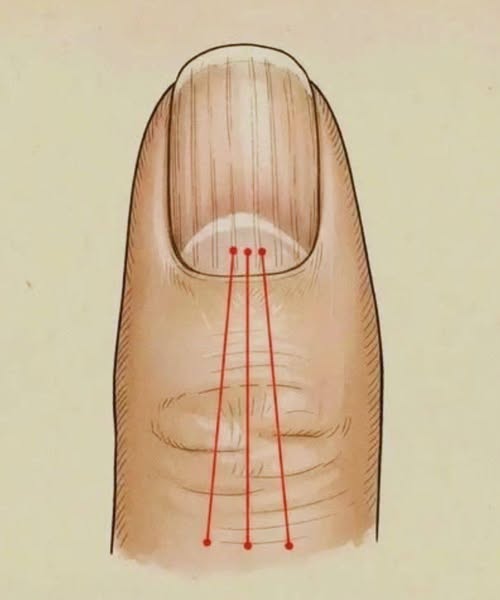
Learn which foods provide nutrients important for healthy nails and may help when nail ridges are related to nutritional deficiencies. Discover when nail ridges are normal and when they may need medical attention.
Nail ridges are common, and food isn’t a guaranteed way to make them disappear. Vertical ridges running from the cuticle toward the tip are often harmless and can become more noticeable with age. However, changes in the nails can sometimes be associated with nutritional deficiencies or other health conditions.
The best approach is to eat a varied diet that supplies the nutrients your nails need to grow normally.
1. Eat More Protein
Nails are primarily made of keratin, a protein, so adequate protein intake is important for normal nail growth.
Good choices include:
- Eggs
- Fish
- Chicken
- Lean meat
- Lentils and beans
- Greek yogurt
- Tofu
- Nuts and seeds
If your diet is consistently low in protein, improving your overall protein intake may support healthier nail growth.
2. Include Iron-Rich Foods
Iron deficiency can cause changes in the nails, particularly spoon-shaped or concave nails known as koilonychia.
Include foods such as:
- Lean beef
- Chicken
- Lentils
- Beans
- Spinach and other leafy greens
- Fortified cereals
Plant-based iron is better absorbed when eaten with a source of vitamin C—for example, lentils with tomatoes or spinach with bell peppers.
If you have persistent nail changes along with fatigue, weakness, or unusual paleness, ask your healthcare professional whether an iron evaluation is appropriate.
3. Get Enough Zinc
Zinc is involved in normal cell growth and tissue repair.
Food sources include:
- Meat
- Shellfish
- Eggs
- Dairy
- Pumpkin seeds
- Chickpeas
- Nuts
A zinc deficiency can contribute to abnormal nail growth, but taking large doses of zinc without a demonstrated deficiency isn’t recommended.
4. Don’t Forget Biotin
Biotin (vitamin B7) is often marketed specifically for stronger nails. However, biotin deficiency is uncommon, and evidence that supplements improve nail strength in people without a deficiency is limited.
You can obtain biotin from foods such as:
- Eggs
- Nuts and seeds
- Salmon
- Meat
- Sweet potatoes
- Legumes
Avoid automatically taking high-dose biotin supplements. High doses can also interfere with certain laboratory tests.
5. Eat Vitamin C-Rich Foods
Vitamin C is necessary for collagen production and helps the body absorb iron from plant foods.
Try adding:
- Oranges
- Guava
- Kiwi
- Strawberries
- Bell peppers
- Tomatoes
- Broccoli
A colorful fruit-and-vegetable intake is generally more useful than relying on a single “nail vitamin.”
6. Include Healthy Fats and Omega-3 Sources
Fatty fish such as salmon, sardines and mackerel provide omega-3 fatty acids, while walnuts, chia seeds and flaxseeds provide plant-based sources.
These foods contribute to an overall nutritious diet, although there isn’t strong evidence that omega-3 supplements specifically remove nail ridges.
What About Vertical vs. Horizontal Ridges?
This distinction matters.
Vertical ridges: These are common and often become more prominent with age. They don’t necessarily indicate a vitamin deficiency.
Horizontal grooves or ridges: These can sometimes indicate that nail growth was temporarily interrupted by illness, significant stress, injury, or certain medical treatments. Multiple nails developing prominent horizontal grooves deserve medical evaluation.
When Should You See a Doctor?
Don’t assume every nail change is caused by a vitamin deficiency. See a healthcare professional if ridges are:
- New or suddenly worsening
- Deep or pronounced
- Appearing across several nails
- Associated with changes in nail color or thickness
- Accompanied by pain, swelling, or separation of the nail
- Accompanied by other unexplained symptoms
The Bottom Line
There is no single food that removes nail ridges. Instead, focus on a balanced diet containing adequate protein, iron, zinc, vitamin C, and other essential nutrients. If you suspect a deficiency, it’s better to identify it with appropriate medical evaluation rather than taking high-dose supplements on your own.
Healthy nails are a reflection of overall health—but nail ridges alone don’t necessarily mean something is wrong.