A child comes running inside after a mysterious backyard bite, leaving the family searching for answers. Learn what to do after an unknown bite and which warning signs require urgent medical attention.
My 7-Year-Old Came Running Inside After This Bite — What We Found in Our Backyard Left Us Shocked
It was an ordinary afternoon.
My 7-year-old was playing in the backyard while I was inside cleaning up after lunch. I could hear him running around outside, occasionally calling to the dog.
Then suddenly, the back door flew open.
“Mom!”
He was crying.
He grabbed his leg and said something had bitten him.
At first, I assumed it was a mosquito or an ant. Children get small bites all the time, especially when they’re playing in grass.
But then I saw the mark.
There were two small puncture-like spots surrounded by redness.
“What bit you?” I asked.
“I don’t know,” he said. “It was under the grass.”
I immediately took him inside and kept him away from the area.
We Went Back to Look
Once he had calmed down, we carefully looked around the spot where he had been playing.
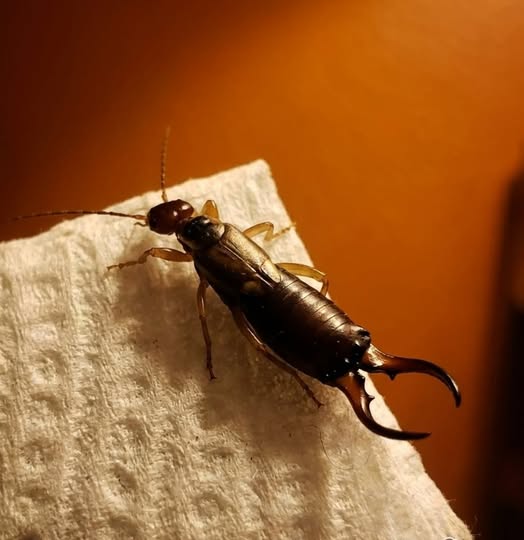
That’s when we noticed something moving underneath a pile of leaves near the edge of the garden.
We didn’t touch it.
Instead, we took a photograph from a safe distance.
It turned out to be a small creature that had been hiding beneath the leaves.
The experience was a reminder of something many parents forget:
A backyard can contain insects, spiders, and other animals that are difficult to see until you disturb their hiding place.
What Should You Do After an Unknown Bite?
If a child is bitten or stung by something you can’t identify, try to remain calm.
1. Move the child away from the area
Don’t let them continue playing near the suspected source.
2. Check the affected area
Look for swelling, redness, pain, a puncture mark, or other changes.
3. Wash the area
Gently wash the skin with soap and water.
4. Use a cool compress
A cool, damp cloth or wrapped cold pack can help reduce discomfort and swelling.
5. Don’t squeeze or cut the bite
Avoid trying to “remove the poison” by cutting the skin, sucking the wound, or applying harsh household chemicals.
6. Photograph the creature if it’s safe
If you can identify the insect or animal without approaching it, a photograph may help a healthcare professional determine what happened.
Never handle an unfamiliar spider, insect, snake, or other potentially dangerous animal just to get a better picture.
Watch for Signs of an Allergic Reaction
Most insect bites and stings cause only local symptoms.
But children can sometimes develop serious allergic reactions.
Get emergency medical help if your child develops:
- Difficulty breathing
- Swelling of the lips, tongue, or throat
- Widespread hives
- Severe dizziness or fainting
- Difficulty swallowing
- Repeated vomiting
- Sudden extreme weakness
These symptoms can indicate anaphylaxis, which requires immediate treatment.
When Should a Bite Be Checked by a Doctor?
Contact a healthcare professional if the bite becomes increasingly painful, swollen, warm, or red, particularly if the redness continues spreading.
Fever, pus, worsening pain, or red streaks extending from the affected area can also indicate infection.
If the bite came from an unknown animal or a potentially venomous creature, seek professional advice even if the initial symptoms appear mild.
What We Learned That Day
The most frightening part wasn’t discovering what had been hiding in our backyard.
It was realizing how quickly an ordinary afternoon could change.
Our child had been playing only a few feet from something we hadn’t noticed.
Afterward, we cleared piles of leaves and debris from the play area, kept the grass trimmed, and checked outdoor spaces more carefully.
But we also learned something more important:
You don’t need to panic when a child gets bitten—but you do need to pay attention.
Know what symptoms to watch for, avoid touching unfamiliar creatures, and seek medical help when a reaction looks serious or unusual.
Sometimes the safest response to a mystery in the backyard isn’t getting closer.
It’s knowing when to step back.