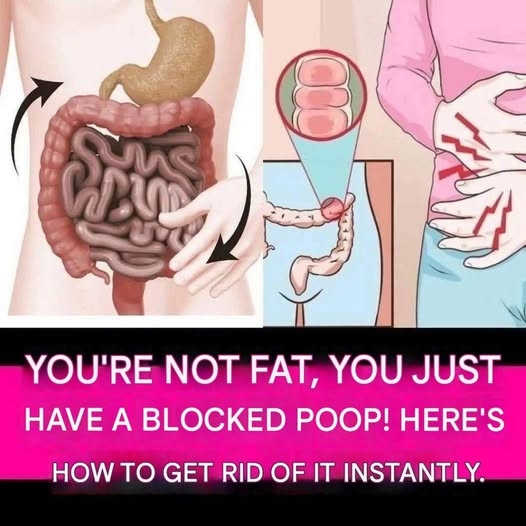
Learn safe, evidence-based ways to relieve constipation naturally, including fiber, fluids, movement, and healthy bathroom habits—and when persistent symptoms require medical attention.
The idea of having “excess stool” stuck in the bowel is common in detox and wellness content, but the body does not normally need a special cleanse to empty the colon. Your digestive system is designed to move waste through the intestines and eliminate it naturally.
If you feel bloated, uncomfortable, or like you’re not completely emptying your bowels, constipation may be the more useful problem to address.
1. Increase Fiber Gradually
Fiber helps add bulk to stool and can make bowel movements easier.
Good sources include:
- Oatmeal
- Beans and lentils
- Apples, pears, and berries
- Vegetables
- Whole-grain bread and cereals
- Chia or ground flaxseed
Increase fiber gradually rather than suddenly. A rapid increase can cause gas and bloating.
2. Drink Enough Fluids
Adequate hydration helps keep stool softer.
Water is a good choice, but your individual fluid needs vary depending on factors such as activity, climate, diet, and medical conditions.
If you’ve been instructed to restrict fluids because of a medical condition, follow your healthcare professional’s advice rather than deliberately increasing your intake.
3. Move Your Body
Regular physical activity can support normal bowel function.
Walking, gentle stretching, and other activities you can comfortably perform may be helpful, especially if you spend much of the day sitting.
Even a short daily walk can be a useful habit.
4. Don’t Ignore the Urge
When you feel the need to have a bowel movement, try not to repeatedly postpone it.
Ignoring the urge can make establishing a regular bowel routine more difficult.
Some people find it helpful to sit on the toilet at roughly the same time each day, particularly after a meal when the digestive system is naturally more active.
5. Give Yourself Enough Time
Avoid rushing or repeatedly straining.
A small footstool under your feet can place your knees slightly higher than your hips, which may make the position more comfortable for passing stool.
If you have to strain frequently, that’s a reason to address the constipation rather than simply pushing harder.
6. Be Careful With “Colon Cleanses”
Detox teas, strong laxatives, enemas, and colon-cleansing products are often marketed as ways to remove “old” stool and toxins.
Routine colon cleansing is not necessary for most healthy people and can cause problems such as dehydration, electrolyte disturbances, diarrhea, or irritation.
If constipation is severe, a healthcare professional can recommend an appropriate treatment instead.
When Constipation Needs Medical Attention
Occasional constipation is common, but persistent or severe symptoms should not be ignored.
Seek medical advice if constipation is accompanied by:
- Blood in the stool
- Unexplained weight loss
- Persistent or severe abdominal pain
- Vomiting
- Fever
- Significant abdominal swelling
- A sudden change in bowel habits
- Inability to pass stool or gas
These symptoms can sometimes indicate a condition requiring prompt evaluation.
The Bottom Line
You don’t need to “flush out” your bowel to remove toxins or old stool. Supporting normal bowel function is safer than attempting an aggressive cleanse.
A fiber-rich diet, adequate fluids, regular movement, and healthy bathroom habits can help many people maintain regular bowel movements.
If constipation keeps returning or doesn’t improve, speak with a healthcare professional to determine the underlying cause and the safest treatment.