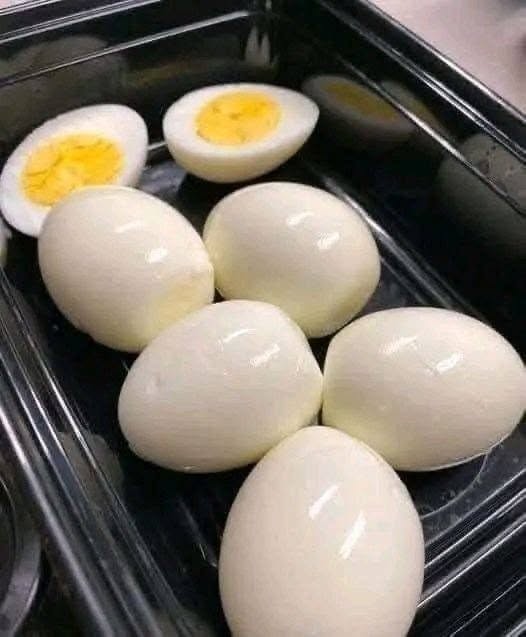
Tired of waiting for a pot of water to boil? Discover an alternative way to cook eggs, plus simple tips for getting the texture you want without making a mess.
I had been wanting to try a different way of cooking eggs for a while. Then I saw a recent post about an alternative method and finally decided to give it a try.
At 4:30 this morning, while the rest of the house was quiet, I decided it was finally time to experiment.
Instead of putting the eggs directly into a pot of boiling water, I tried steaming them.
And honestly, I wondered why I hadn’t tried it sooner.
Why Steam Eggs Instead of Boiling Them?
Steaming eggs is remarkably simple.
Instead of completely surrounding the eggs with boiling water, you place them in a steamer basket above the water and allow the hot steam to cook them.
The result is still a properly cooked egg, but the process can be convenient if you already have a steamer or saucepan with a steaming rack.
How I Did It
Here’s the basic method:
- Add a small amount of water to a saucepan.
- Place a steamer basket or rack above the water.
- Carefully arrange the eggs in the basket.
- Cover the saucepan with a lid.
- Bring the water to a steady boil.
- Steam the eggs until they reach your preferred level of doneness.
- Transfer them immediately to cold or ice water to stop the cooking process.
- Allow them to cool before peeling.
The exact cooking time can vary depending on egg size, starting temperature, altitude, and how firm you want the yolk.
The Cold-Water Step Makes a Difference
One step I wouldn’t skip is cooling the eggs immediately after cooking.
Putting the cooked eggs into ice water or very cold water stops residual cooking and makes them easier to handle.
It also helps prevent the yolks from becoming more cooked than you intended.
What About Peeling?
One of the reasons people like steaming eggs is that some find the shells easier to remove compared with their usual boiling method.
However, peeling depends on several factors, including the freshness of the eggs and cooking technique. Don’t expect every egg to peel perfectly every time.
For easier peeling, gently crack the shell all over and peel under running water if necessary.
Soft, Medium, or Hard-Cooked?
The beauty of this method is that you can adjust the cooking time.
If you prefer a softer center, use a shorter cooking time.
For a firm, fully cooked yolk, steam for longer.
Because egg sizes and equipment differ, it may take a little experimentation to find the timing that works best in your kitchen.
A Few Safety Tips
Always use eggs that have been stored properly and aren’t cracked or spoiled.
Make sure the water doesn’t completely evaporate while the eggs are steaming. Use oven mitts when handling the hot saucepan or steamer basket.
Most importantly, cook eggs thoroughly if you’re serving them to young children, older adults, pregnant people, or anyone with a weakened immune system, as these groups can be more vulnerable to foodborne illness.
So, Will I Stop Boiling Eggs Completely?
Probably not.
Boiling eggs in water is still a perfectly good cooking method. But steaming is a convenient alternative, especially when you want to cook several eggs without filling a large pot.
Sometimes the best kitchen discoveries aren’t complicated recipes—they’re simply different ways of doing something you’ve done the same way for years.
And after trying steamed eggs at 4:30 in the morning, I can definitely understand why this method has become so popular.