Discover a simple, low-effort way to help keep ants out of your kitchen using an old-fashioned household trick. Learn why it may work, how to use it safely, and what to do if the infestation keeps coming back.
My Grandmother Taught Me This Trick to Get Rid of Ants Invading the Kitchen With 0 Effort
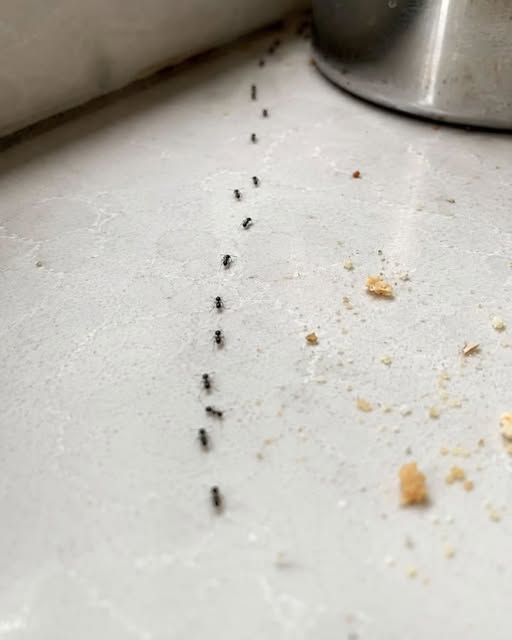
There’s nothing more frustrating than spotting a trail of tiny ants marching across your kitchen counter—especially after you’ve just cleaned everything.
My grandmother always had a simple answer whenever ants started appearing: don’t fight the whole colony at once—make your kitchen less attractive to them and disrupt the trail they’re following.
One of her favorite tricks involved something many people already have at home: white vinegar and water.
Why Do Ants Keep Coming Back?
Ants leave behind scent trails called pheromone trails. Other ants can follow these chemical signals to food and water sources.
That’s why wiping away the ants you can see sometimes doesn’t solve the problem. If the trail remains, more ants may follow it.
The goal is therefore to:
- Remove crumbs and food residue.
- Clean the surface where ants are traveling.
- Disrupt the scent trail.
- Eliminate easy sources of food and moisture.
The Simple Vinegar Trick
Mix equal parts white vinegar and water in a spray bottle.
Spray the mixture lightly onto areas where you’ve noticed ants, such as:
- Kitchen counters
- Window sills
- Around the sink
- Along baseboards
- Areas where ants enter the kitchen
Wipe the surface afterward with a clean cloth.
The vinegar smell can help interfere with the scent trails ants use to navigate. However, this is best viewed as a cleaning and trail-disruption method, not a guaranteed way to eliminate an entire colony.
Important Safety Note
Never mix vinegar with bleach or other cleaning chemicals. Dangerous fumes can result.
Also, avoid spraying vinegar on natural stone surfaces such as marble or limestone because acidic cleaners can damage them.
My Grandmother Had Another Rule: Don’t Leave Food Out
The cleaning trick works much better when you remove what attracted the ants in the first place.
Keep these foods sealed:
Sugar and sweets: Store them in airtight containers.
Bread and baked goods: Keep them sealed rather than leaving them exposed on counters.
Fruit: Check ripe fruit regularly and refrigerate it when appropriate.
Pet food: Don’t leave bowls of food sitting out for long periods.
Dirty dishes: Wash them promptly, especially dishes containing sugary or greasy residue.
Even a few crumbs can become a food source for a colony.
What About Cinnamon, Coffee Grounds, or Essential Oils?
You may have seen claims that cinnamon, coffee grounds, peppermint oil, or other strongly scented ingredients will permanently eliminate ants.
Some strong odors may temporarily discourage ants or interfere with their movement, but they shouldn’t be considered reliable colony-control methods.
If ants keep returning despite cleaning, the colony may be nesting nearby.
When a Bigger Problem Is Hiding Nearby
A few ants appearing occasionally isn’t necessarily a major infestation.
But if you repeatedly see long trails of ants, especially in the same location, there may be an established nest nearby.
Check around:
- Cracks near windows
- Gaps around pipes
- Door frames
- Wall openings
- Under cabinets
- Areas around plumbing
Seal obvious entry points after cleaning the trail.
If the Ants Keep Coming Back
For persistent infestations, household cleaning tricks may not be enough.
Ant baits can sometimes be more effective because worker ants carry the bait back toward the colony. Follow the product directions carefully, particularly if children or pets are present.
And if you see large numbers of ants repeatedly or suspect a nest inside your walls, contacting a pest-control professional may be the better option.
The Real Lesson Behind Grandma’s Trick
The most useful part of my grandmother’s advice wasn’t a magical ingredient.
It was the routine:
Clean the trail → remove food → eliminate moisture → seal entry points → monitor the area.
That simple approach can make your kitchen much less inviting to ants.
So before reaching for complicated solutions, grab a cloth, clean the trail thoroughly, check for the food source, and find out where the ants are getting in.
Sometimes the old-fashioned tricks work best when they’re combined with a little common sense.