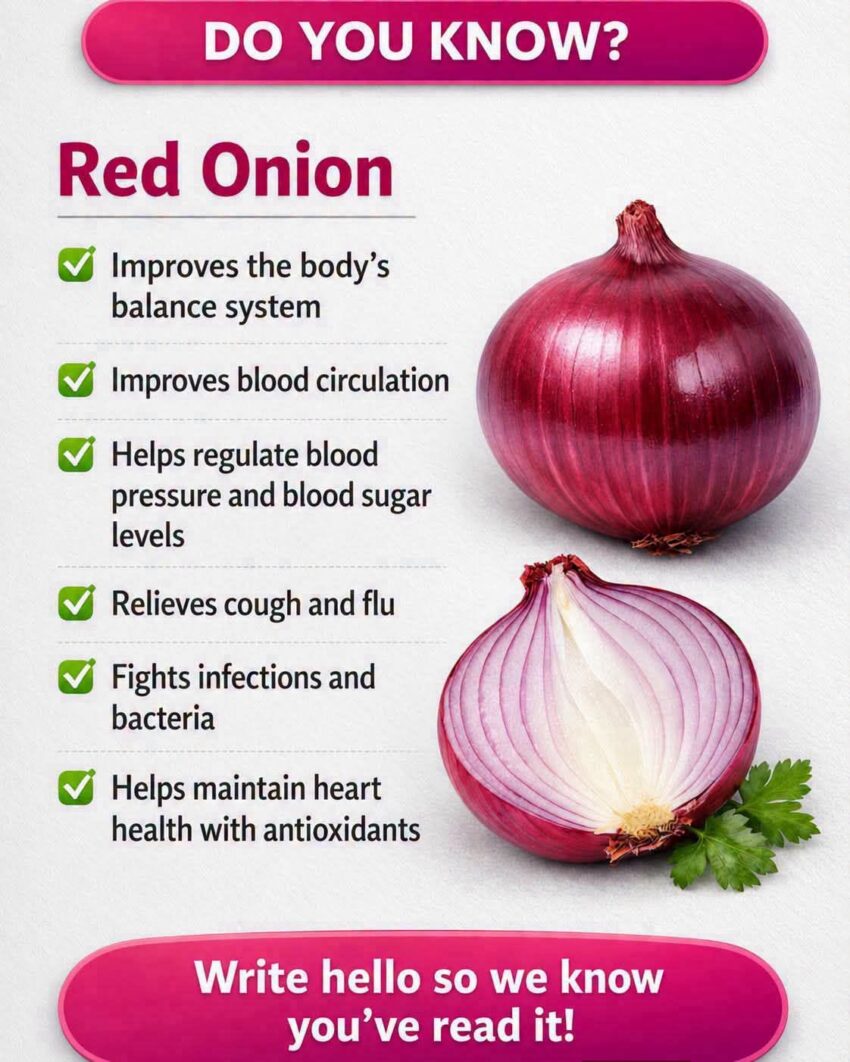
Purple onions are more than a colorful way to add flavor to salads, sandwiches, and cooked meals. They contain fiber, flavonoids, anthocyanins, sulfur-containing compounds, and other plant nutrients that researchers are investigating for their potential role in metabolic health.
But there is an important distinction: purple onions may support a healthy diet, but they are not a cure for diabetes and should never replace prescribed treatment.
What Makes Purple Onions Special?
The deep red-purple color of these onions comes largely from anthocyanins, a group of plant pigments with antioxidant properties.
Purple and red onions also contain flavonoids such as quercetin, along with various sulfur-containing compounds. These naturally occurring substances have been studied for their possible effects on inflammation, oxidative stress, and glucose metabolism.
Could Purple Onions Help With Blood Sugar?
This is where the science becomes interesting—but also where it’s important not to overstate the evidence.
Research on onions and their compounds has suggested possible effects on glucose regulation. A review of onion research identified compounds such as quercetin and sulfur-containing substances as potential contributors to glucose-related effects, while also noting that more research is needed.
Separate human research on anthocyanins as a group has found modest improvements in several markers of glucose control in randomized trials. However, those studies examined anthocyanin intake from various sources—not simply eating purple onions.
So the most accurate takeaway is:
Purple onions can be part of a healthy eating pattern that supports good metabolic health, but there isn’t enough evidence to say that eating them alone will lower blood sugar or treat diabetes.
1. They Add Fiber to Your Diet
Fiber is an important part of a balanced diet and can help support digestive health.
Including vegetables such as onions alongside beans, lentils, whole grains, and leafy greens can make meals more nutrient-dense and generally more filling.
2. They Provide Antioxidant Compounds
Purple onions contain anthocyanins and other plant compounds with antioxidant activity. These compounds help protect cells from oxidative stress, although eating one particular food should not be viewed as a treatment for disease.
3. They Can Add Flavor Without Much Sugar
One of the simplest advantages of onions is practical: they make healthy meals taste better.
Adding sliced purple onion to a salad, bean bowl, omelet, or grilled meal can increase flavor without relying on sugary sauces or highly processed dressings.
4. They Fit Into a Blood-Sugar-Conscious Meal
Rather than thinking of one food as a “blood sugar cure,” think about the whole meal.
Try combining purple onion with:
- Beans or lentils
- Leafy green vegetables
- Eggs
- Fish or lean protein
- Whole grains
- Healthy fats such as olive oil
- Fresh herbs and spices
A balanced meal containing fiber, protein, and healthy fats can be a much more useful strategy than focusing on a single ingredient.
Raw or Cooked: Which Is Better?
Both can be nutritious.
Raw purple onions may retain more of certain heat-sensitive nutrients, while lightly cooked onions can still provide beneficial plant compounds. The best preparation is ultimately the one that helps you eat more vegetables consistently.
If raw onions cause bloating or digestive discomfort, lightly cooking them may make them easier to tolerate.
An Easy Purple Onion Salad
For a quick side dish, try combining:
Ingredients
- 1 medium purple onion, thinly sliced
- Fresh lemon juice
- 1 tablespoon extra-virgin olive oil
- Fresh parsley
- Black pepper
- A small amount of salt
Toss everything together and let it sit for a few minutes before serving.
For a more substantial meal, add chickpeas, cucumber, tomatoes, or grilled chicken.
Who Should Be Careful?
Purple onions are generally a nutritious food for most people, but they can cause gas, bloating, or digestive discomfort in some individuals.
People following a low-FODMAP diet may also need to limit onions depending on their individual tolerance.
If you have diabetes and take medication that lowers blood glucose, don’t stop or alter your medication because of dietary changes. Follow your healthcare professional’s recommendations and monitor your blood glucose as instructed.
Can Purple Onions Prevent Diabetes?
No single food can prevent diabetes.
Long-term metabolic health depends on many factors, including overall diet, physical activity, body weight when appropriate, sleep, genetics, and medical care.
Purple onions can be one nutritious ingredient within that bigger picture.
Final Thoughts
Purple onions deserve a place on the plate—not because they’re a miracle food, but because they’re flavorful, nutrient-rich, and easy to include in a balanced diet.
Their anthocyanins, quercetin, fiber, and other plant compounds make them an interesting food from a nutrition perspective, and research into their potential metabolic benefits continues.
If you’re trying to support healthy blood sugar, focus on the bigger picture: eat a variety of vegetables, prioritize high-fiber foods, include adequate protein, stay physically active, and follow your healthcare professional’s advice when needed.
Purple onions can be part of that strategy—but they’re not a substitute for medical treatment.