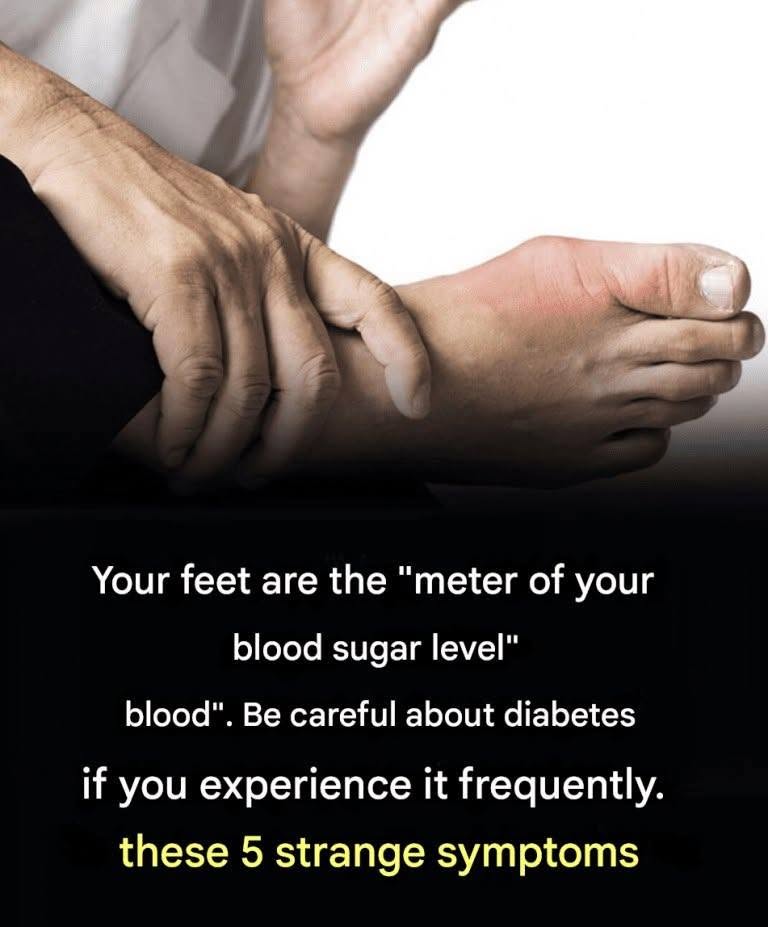
Your feet can sometimes reveal signs of health problems elsewhere in the body. Learn about five unusual foot symptoms and when they may deserve medical attention.
Our feet carry us through almost everything we do, so it is easy to overlook small changes in them. But unusual changes such as persistent swelling, unexplained numbness, changes in skin color, or sudden pain can sometimes be worth paying attention to.
Here are five unusual foot symptoms that shouldn’t automatically be ignored:
1. Persistent Swelling
Feet or ankles that remain swollen, especially without an obvious injury, may have several possible causes. Standing for long periods, certain medications, vein problems, and other health conditions can all contribute to swelling.
If swelling appears suddenly, affects only one leg, becomes painful, or occurs with shortness of breath or chest pain, seek urgent medical attention.
2. Numbness or Tingling
A constant “pins and needles” sensation or reduced feeling in the feet can result from nerve irritation or pressure. Persistent numbness may also occur with conditions that affect the nerves or circulation.
If you repeatedly experience unexplained numbness, especially if it is getting worse, discuss it with a healthcare professional.
3. Unusual Changes in Foot Color
Pay attention if your toes or feet suddenly become unusually pale, blue, purple, or very red. Temporary color changes can sometimes happen because of temperature, but persistent or dramatic changes may indicate problems with blood flow.
A foot that suddenly becomes cold, pale or blue—particularly with severe pain or numbness—requires prompt medical evaluation.
4. Burning or Hot Sensation
A burning sensation in the feet, particularly at night, can be uncomfortable and may have different causes. Nerve-related problems are one possibility, but other conditions can also produce burning or abnormal sensations.
Rather than assuming it is simply tiredness, persistent burning should be evaluated if it continues or interferes with sleep.
5. Wounds That Heal Slowly
Small cuts, blisters, or sores on the feet usually improve with proper care. If a wound takes unusually long to heal, keeps reopening, becomes increasingly red or painful, or produces drainage, it should be checked.
People with conditions that affect circulation or nerves may be particularly vulnerable to foot wounds and may not always notice an injury immediately.
When Should You See a Doctor?
Not every unusual foot symptom means something serious. However, new, persistent, worsening, or unexplained changes deserve attention. Sudden severe pain, significant swelling in one leg, a cold or discolored foot, loss of sensation, or signs of infection should be assessed promptly.
Your feet can provide useful clues about your overall health—but they cannot diagnose a condition by themselves. If something feels noticeably different from normal and does not improve, getting professional medical advice is the safest approach.