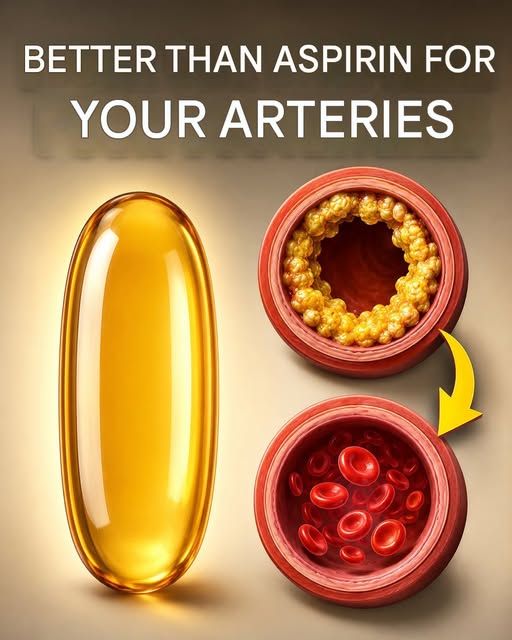
the foods that may support healthier arteries and heart health, including fiber-rich foods, omega-3 sources, nuts, fruits, vegetables, and whole grains. Learn what science says about reducing plaque buildup and supporting healthy cholesterol levels.
The Best Natural Foods to Support Healthier Arteries
When people hear the phrase “clogged arteries,” they often look for one natural food that can clean away plaque. Unfortunately, there is no single food that can literally unclog an artery overnight. However, a heart-healthy diet can help improve cholesterol levels, blood pressure, inflammation, and other factors linked to atherosclerosis.
One of the most beneficial foods to include regularly is oats and other soluble-fiber-rich foods.
1. Oats: A Heart-Friendly Choice
Oats contain a type of soluble fiber called beta-glucan. Soluble fiber can help reduce the amount of cholesterol absorbed into the bloodstream, which may contribute to healthier LDL cholesterol levels.
Try adding oatmeal to breakfast and combining it with:
- Berries
- Apples
- Ground flaxseed
- Walnuts
- Chia seeds
- Plain yogurt
The important point is consistency. Eating a heart-healthy food occasionally is unlikely to make a major difference; dietary patterns matter much more.
2. Fatty Fish for Omega-3 Fats
Salmon, sardines, mackerel, and trout provide omega-3 fatty acids. Including fish as part of a balanced diet can support cardiovascular health.
For people who eat fish, having it regularly can be a useful alternative to foods high in saturated fats, such as processed meats and fatty cuts of red meat.
3. Nuts and Seeds
Walnuts, almonds, chia seeds, and flaxseeds provide fiber, unsaturated fats, and other nutrients that can fit well into a heart-healthy eating pattern.
Because nuts are calorie-dense, a small handful is generally enough.
4. Fruits and Vegetables
Colorful fruits and vegetables provide fiber, potassium, vitamins, minerals, and plant compounds that support overall cardiovascular health.
Good choices include:
- Berries
- Apples
- Oranges
- Leafy greens
- Broccoli
- Tomatoes
- Carrots
- Beans and lentils
Rather than focusing on one “miracle” vegetable, aim for variety.
5. Beans and Lentils
Beans, chickpeas, peas, and lentils are particularly useful because they provide plant protein and soluble fiber while generally being low in saturated fat.
They can replace some processed meats or other foods higher in saturated fat.
6. Extra-Virgin Olive Oil
Replacing butter, shortening, or other sources of saturated fat with unsaturated fats such as olive oil can be beneficial for cardiovascular health.
Use olive oil as part of an overall Mediterranean-style eating pattern rather than assuming that simply taking a spoonful will remove arterial plaque.
What About Garlic, Lemon, or Apple Cider Vinegar?
Garlic can be part of a healthy diet, but claims that garlic, lemon water, or apple cider vinegar can “dissolve clogged arteries” are misleading.
These foods may have nutritional benefits, but they cannot physically scrub plaque from an artery.
If significant arterial narrowing is present, treatment depends on the individual’s condition and may involve lifestyle changes, medications, or procedures recommended by a healthcare professional.
The Bigger Picture
The best approach isn’t one magical food—it is a long-term heart-healthy eating pattern:
More: vegetables, fruits, whole grains, beans, nuts, seeds, fish, and unsaturated fats.
Less: processed meats, trans fats, excess saturated fat, highly processed foods, and excessive added sugar.
And if someone has chest pressure, shortness of breath, sudden sweating, or pain spreading to the arm, jaw, back, or shoulder, they should seek urgent medical attention rather than trying a dietary remedy.