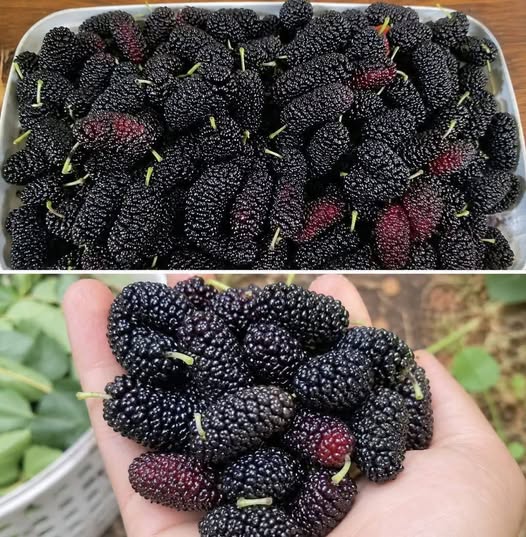
Discover the autumn fruit often praised for its nutrients and potential benefits for eye health and blood pressure, plus how to enjoy it and important precautions.
As autumn arrives, markets begin filling with seasonal fruits that are easy to overlook. One of them may deserve a little more attention—not because it is a miracle cure, but because it can provide valuable nutrients as part of a balanced diet.
One autumn fruit often associated with eye health and healthy blood pressure is the persimmon.
Why Persimmons Are Worth Knowing About
Persimmons are naturally sweet, colorful fruits that contain vitamin C, carotenoids, fiber, potassium, and other plant compounds.
Their nutritional profile makes them a useful addition to a varied diet, particularly when eaten in place of highly processed snacks or desserts.
1. Supports Eye Health
Persimmons contain carotenoids, including beta-carotene and other compounds involved in maintaining normal vision.
Vitamin A-related nutrients are important for the normal function of the eyes, while antioxidant compounds help protect cells from oxidative stress.
Eating persimmons won’t correct an eye disorder or restore lost vision, but including colorful fruits and vegetables regularly can contribute to an overall eye-friendly diet.
2. May Support Healthy Blood Pressure
Persimmons also provide potassium, an important mineral involved in maintaining normal blood pressure.
Getting enough potassium through foods can support healthy blood-pressure regulation, particularly when combined with an overall diet that emphasizes fruits, vegetables, whole grains, and minimally processed foods.
However, eating persimmons should not be considered a treatment for hypertension.
3. A Good Source of Fiber
A medium-sized persimmon provides dietary fiber, which supports normal digestion and can contribute to feelings of fullness.
Fiber-rich foods can also be part of a heart-healthy eating pattern.
4. Rich in Plant Compounds
The vibrant orange color of many persimmons comes partly from carotenoid pigments.
These naturally occurring compounds are one reason colorful fruits and vegetables are often encouraged as part of a balanced diet.
How to Eat Persimmons
Persimmons can be eaten fresh when appropriately ripe. Depending on the variety, they can be:
- Sliced and eaten on their own
- Added to fruit salads
- Mixed into yogurt or oatmeal
- Added to smoothies
- Used in homemade baked goods
Some varieties are unpleasantly astringent when unripe, so make sure the fruit is suitable for eating before consuming it.
A Word of Caution
Although persimmons are nutritious, more is not necessarily better.
People with certain kidney conditions or those who have been instructed to restrict potassium should speak with their healthcare professional before significantly increasing high-potassium foods.
And if you take medication for high blood pressure, don’t stop or change your medication because you have started eating a particular fruit.
The Bottom Line
Persimmon may be one of autumn’s underrated fruits. Its combination of carotenoids, vitamin C, potassium, fiber, and other plant compounds makes it a nutritious seasonal choice.
It isn’t a miracle remedy for eyesight or high blood pressure—but as part of a balanced diet, this colorful autumn fruit can certainly earn a place on your plate.