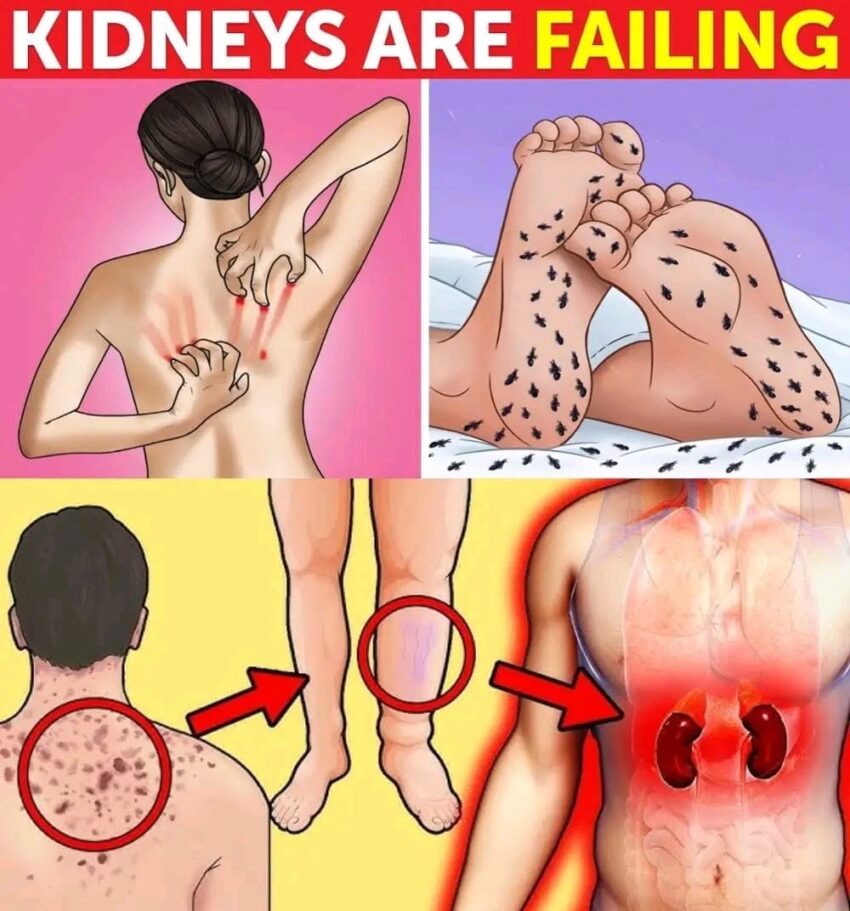
Discover 23 possible warning signs of kidney problems, from changes in urination and swelling to fatigue and nausea. Learn when to seek medical care and how to protect your kidney health.
Your kidneys work around the clock to filter waste from your blood, balance fluids and minerals, help regulate blood pressure, and support healthy red blood cell production. Yet kidney problems can develop quietly, sometimes without noticeable symptoms until the condition becomes more advanced.
That is why recognizing potential warning signs matters. Although some symptoms may indicate kidney disease, many can also result from dehydration, infections, medication effects, or other health conditions. Symptoms alone cannot confirm a kidney problem.
Here are 23 signs worth understanding, along with the steps you can take to protect your health.
1. Changes in How Often You Urinate
A noticeable change in your usual urination pattern may deserve attention. Some people with kidney problems urinate less than usual, while others notice more frequent urination, especially at night.
These changes can also be caused by diabetes, urinary tract infections, prostate problems, medications, or changes in fluid intake.
If the change persists without an obvious explanation, arrange a medical assessment.
2. Foamy or Frothy Urine
Occasional bubbles in urine are common and may simply result from the force of urination.
However, persistent foam that resembles a layer of bubbles may sometimes indicate protein in the urine. Healthy kidneys usually retain most of the protein in the bloodstream, but damaged kidney filters can allow protein to leak into urine.
A urine test can help determine whether protein is present.
3. Blood in Your Urine
Urine that appears pink, red, brown, or tea-colored may contain blood. Possible causes include kidney stones, urinary tract infections, kidney disease, or other urinary tract conditions.
Certain foods and medicines can also change urine color, so appearance alone is not enough to identify the cause.
Visible blood in urine should be medically evaluated, even if it happens only once or does not cause pain.
4. Swelling Around the Eyes
Puffiness around the eyes, particularly in the morning, can sometimes occur when the kidneys lose excessive amounts of protein in the urine.
However, allergies, sleep patterns, sinus problems, and other conditions can also cause swelling around the eyes.
Persistent or unexplained swelling deserves attention, especially when accompanied by swollen legs or foamy urine.
5. Swollen Feet, Ankles, or Legs
When the kidneys cannot maintain the body’s fluid balance properly, excess fluid may accumulate in the tissues.
This can lead to swelling in the feet, ankles, or lower legs.
Swelling is not specific to kidney disease. Heart problems, liver disease, circulation problems, pregnancy, and certain medicines can also cause it.
Sudden swelling accompanied by shortness of breath requires urgent medical assessment.
6. Persistent Fatigue or Weakness
Feeling tired occasionally is normal. But ongoing fatigue that does not improve with adequate rest may sometimes accompany chronic kidney disease.
Damaged kidneys may produce less erythropoietin, a hormone involved in red blood cell production. This can contribute to anemia, which reduces the blood’s ability to carry oxygen efficiently.
Fatigue can also result from iron deficiency, thyroid problems, poor sleep, infection, or other conditions.
7. Difficulty Sleeping
Some people with advanced kidney disease experience difficulty sleeping because of itching, muscle cramps, restless legs, or other symptoms.
However, insomnia alone is not a reliable indicator of kidney disease.
If sleep problems are persistent, discuss them with a healthcare professional, particularly if other symptoms are present.
8. Persistent Itching
Ongoing itching without an obvious skin-related cause can occur in people with advanced kidney disease. Changes in mineral balance and the buildup of certain substances may contribute.
But itching is much more commonly associated with numerous possible causes, including dry skin, allergies, eczema, liver conditions, and medication reactions.
Seek medical advice if itching is severe, persistent, or accompanied by other unexplained symptoms.
9. Muscle Cramps
Muscle cramps, particularly in the legs, may occur when fluid or electrolyte balance is disrupted.
Advanced kidney disease can affect the body’s regulation of minerals such as potassium, calcium, and phosphorus.
Nevertheless, cramps can also result from exercise, dehydration, pregnancy, medication effects, or other conditions. Do not assume that you need potassium or magnesium supplements without understanding the cause.
10. Nausea or Vomiting
Nausea and vomiting can occur in advanced kidney disease when waste products accumulate in the blood.
These symptoms are much more commonly associated with digestive illnesses, pregnancy, infections, medication effects, and many other causes.
Persistent vomiting, especially when accompanied by reduced urination, severe weakness, or inability to keep fluids down, requires prompt medical attention.
11. Reduced Appetite
People with advanced kidney disease may lose their appetite because of nausea, changes in taste, or the effects of waste buildup.
An unexplained decline in appetite can also occur with digestive disorders, depression, infections, and other illnesses.
If your appetite remains poor or you begin losing weight unintentionally, arrange a medical assessment.
12. A Metallic Taste in Your Mouth
Some people with advanced kidney disease report an unpleasant or metallic taste, sometimes alongside nausea or reduced appetite.
However, dental problems, oral infections, certain medications, and other conditions can also affect taste.
A metallic taste by itself does not establish that your kidneys are damaged.
13. Breath That Smells Unusual
Advanced kidney disease can sometimes cause breath to develop an ammonia-like odor or an unpleasant taste associated with the accumulation of waste products.
Poor dental hygiene, gum disease, digestive issues, and other medical conditions can also affect breath odor.
A persistent, unexplained change in breath should be discussed with a healthcare professional, particularly if accompanied by other symptoms.
14. Difficulty Concentrating
When kidney disease becomes advanced, anemia and the buildup of waste products can contribute to problems with concentration, memory, or alertness.
Stress, inadequate sleep, dehydration, medication effects, and numerous other conditions can produce similar difficulties.
Sudden confusion or a marked change in alertness requires urgent medical assessment.
15. Shortness of Breath
Kidney problems can contribute to shortness of breath when excess fluid accumulates in the lungs or when anemia becomes significant.
However, breathing difficulties can also indicate heart disease, lung conditions, blood clots, or other serious problems.
Sudden or severe shortness of breath is an emergency. Do not wait for other kidney symptoms to appear.
16. Persistent High Blood Pressure
High blood pressure and kidney disease have a two-way relationship. High blood pressure can damage kidney blood vessels over time, while damaged kidneys can make blood pressure harder to control.
Many people with hypertension feel completely normal, so regular blood pressure measurements are important.
If your readings remain elevated, seek medical advice. Very high readings accompanied by chest pain, severe headache, neurological symptoms, or breathing difficulties require emergency assessment.
17. Pain in the Side or Back
Pain around the side of the back, beneath the ribs, may occur with kidney stones or a kidney infection.
Kidney-related pain is often felt deeper and higher than ordinary lower-back muscle pain, but the location varies.
Muscle strain and spinal problems are common causes of back pain. Severe side pain accompanied by fever, chills, vomiting, or blood in the urine needs prompt medical attention.
18. Fever and Chills With Urinary Symptoms
A kidney infection may cause fever, chills, pain in the side or back, nausea, and urinary symptoms such as burning or urgency.
This combination should not be ignored because kidney infections can become serious.
Seek urgent medical care if you suspect a kidney infection, especially if you are pregnant, have diabetes, or feel very unwell.
19. Burning or Pain During Urination
Burning while urinating is more commonly associated with a urinary tract infection or irritation than with chronic kidney disease itself.
However, a urinary infection can sometimes spread to the kidneys.
If burning is persistent or accompanied by fever, back pain, vomiting, or blood in the urine, seek medical assessment.
20. Urinating Frequently at Night
Waking repeatedly during the night to urinate is sometimes associated with kidney disease because the kidneys may lose some of their ability to concentrate urine.
But frequent nighttime urination can also result from drinking fluids late in the evening, diabetes, sleep disorders, pregnancy, an overactive bladder, or prostate enlargement.
A persistent change in your nighttime urination pattern is worth discussing with your clinician.
21. Dry or Unusually Dark Skin
Dry skin can occur in people with advanced kidney disease, particularly when mineral imbalances contribute to itching.
Dark urine, meanwhile, can reflect dehydration, blood in the urine, liver problems, or other causes.
Skin color changes alone are not a dependable way to detect kidney disease. If your skin or urine changes unexpectedly, consider the full range of possible causes and seek medical advice when appropriate.
22. Unexplained Weight Changes
Sudden weight gain may reflect fluid retention, especially when it occurs alongside swelling in the feet or ankles.
Unintentional weight loss may occur in advanced illness when appetite declines.
Neither symptom is specific to kidney disease. Changes in diet, hormonal conditions, pregnancy, heart problems, and other illnesses can affect body weight.
Rapid weight gain accompanied by swelling or breathlessness deserves prompt medical attention.
23. Little or No Urine
Producing much less urine than usual can occur with severe dehydration, urinary obstruction, acute kidney injury, or other serious conditions.
In some cases, kidney injury develops rapidly, even in people who previously had normal kidney function.
A sudden major reduction in urine output or an inability to urinate requires urgent medical assessment. Do not try to solve the problem by forcing yourself to drink large amounts of water, particularly if you are swollen or short of breath.
How Can You Know Whether Your Kidneys Are Healthy?
Symptoms can provide clues, but many people with early chronic kidney disease have no symptoms at all. Testing is often the only way to identify a problem before it becomes advanced.
Healthcare professionals commonly use these tests:
1. Blood creatinine and estimated GFR
A blood creatinine test helps assess how effectively the kidneys filter waste. The estimated glomerular filtration rate, or eGFR, provides an estimate of kidney filtering function.
2. Urine albumin-to-creatinine ratio
This urine test checks for albumin, a protein that may leak into urine when kidney filters are damaged.
3. Blood pressure measurement
Monitoring blood pressure helps identify a major risk factor for kidney damage.
4. Additional tests when needed
Depending on your symptoms, a clinician may recommend a urinalysis, blood electrolyte tests, urine culture, or kidney imaging.
Abnormal results do not always mean chronic kidney disease. Some findings need to be repeated or interpreted alongside your medical history.
Who Is at Greater Risk of Kidney Disease?
Certain people benefit from particularly careful monitoring, including those who have:
- Diabetes
- High blood pressure
- Cardiovascular disease
- A family history of kidney disease
- Previous kidney injury or recurrent kidney stones
- Long-term use of certain medicines that can affect kidney function
People with these risk factors should ask their healthcare professional whether regular kidney testing is appropriate.
Seven Everyday Habits That Help Protect Your Kidneys
1. Keep blood pressure under control. Follow your treatment plan and monitor your readings when advised.
2. Manage blood sugar. If you have diabetes, maintaining appropriate glucose levels can reduce the risk of kidney complications.
3. Drink an appropriate amount of fluid. Needs vary according to the weather, activity, pregnancy, and medical conditions. People with heart or kidney disease may have specific fluid restrictions.
4. Be cautious with painkillers. Frequent or prolonged use of nonsteroidal anti-inflammatory drugs, such as ibuprofen or naproxen, can harm kidney function in susceptible people, particularly during dehydration.
5. Avoid unnecessary supplements. High doses of certain vitamins, minerals, and herbal products can be harmful. Ask a healthcare professional before starting concentrated supplements or detox products.
6. Eat a balanced diet. Emphasize vegetables, fruits, appropriate protein portions, and less heavily processed food. People with established kidney disease may need individualized dietary advice.
7. Do not ignore persistent symptoms. Early assessment can help identify treatable problems and prevent complications.
Final Thoughts
Your kidneys can be affected by high blood pressure, diabetes, infections, medications, and many other conditions. Although swelling, changes in urination, fatigue, and persistent itching may be warning signs, none of these symptoms proves that kidney disease is present.
The most important fact is that kidney disease can develop without obvious warning signs. If you are at increased risk, regular blood and urine tests may be more useful than waiting for symptoms to appear.
Pay attention to changes in your body, avoid unverified kidney-cleansing products, and seek medical care when symptoms are persistent, severe, or unusual. Early detection can make a meaningful difference in protecting kidney function and overall health.