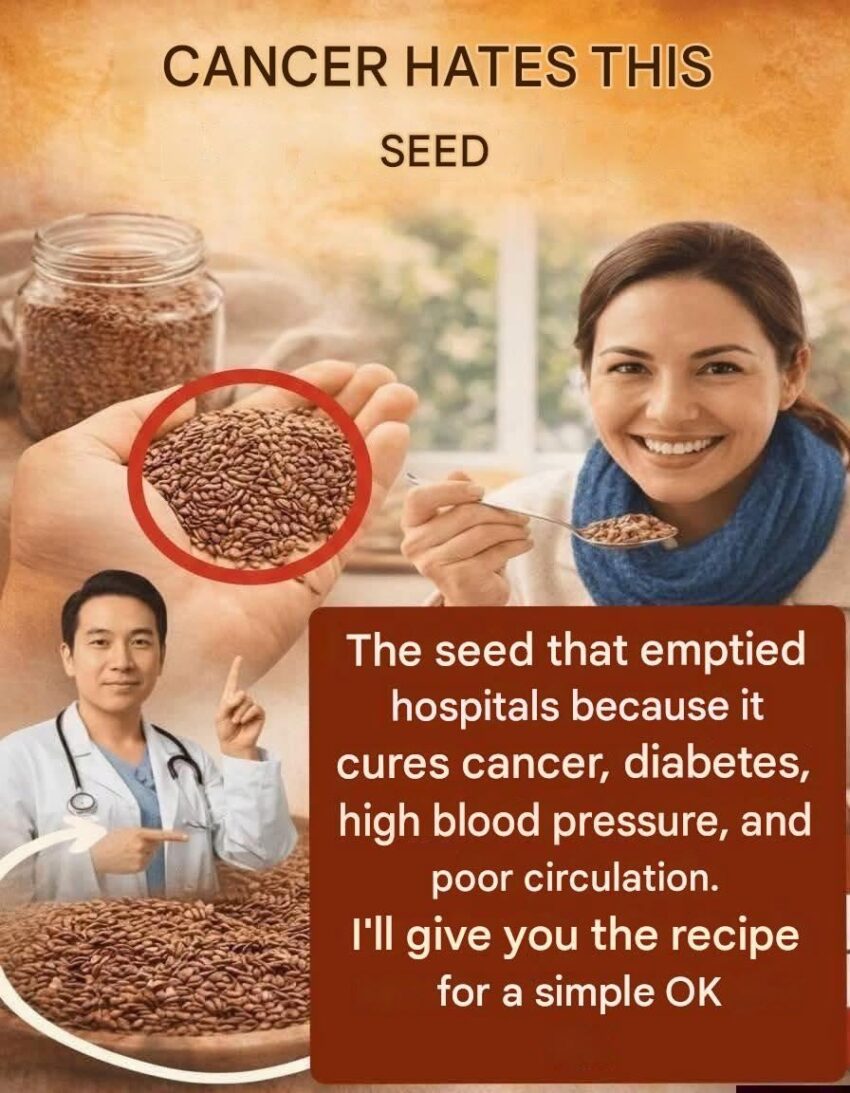
These Seeds Can Support Your Health—but They Don’t Destroy Disease
Seeds may be tiny, but many are packed with valuable nutrients. Chia seeds, flaxseeds, pumpkin seeds, sunflower seeds, and sesame seeds provide combinations of fiber, protein, healthy fats, vitamins, minerals, and other plant compounds.
However, headlines claiming that a particular seed can “destroy even the deadliest disease” are misleading. No food has been proven to cure cancer, heart disease, diabetes, or another serious illness on its own.
Instead, think of seeds as nutritious foods that can become part of an overall healthy eating pattern.
1. Flaxseeds
Flaxseeds are especially rich in alpha-linolenic acid (ALA), a plant-based omega-3 fatty acid, as well as fiber and lignans.
Ground flaxseed is generally easier to incorporate into foods and allows the body to access its nutrients more readily than whole seeds.
You can add a small amount to oatmeal, yogurt, smoothies, or baked goods.
2. Chia Seeds
Chia seeds provide fiber, ALA omega-3 fats, protein, and minerals such as calcium and magnesium.
Because they absorb liquid and form a gel-like texture, they can also contribute to a feeling of fullness.
Try adding them to yogurt, oatmeal, or overnight oats. When consuming larger amounts, make sure you’re also getting enough fluid.
3. Pumpkin Seeds
Pumpkin seeds are a useful source of magnesium, zinc, protein, and unsaturated fats.
A small handful can make a nutritious snack, especially when choosing unsalted or lightly salted varieties.
4. Sunflower Seeds
Sunflower seeds contain vitamin E, healthy fats, protein, and several minerals.
Vitamin E acts as an antioxidant and helps protect cells from oxidative damage.
Because seeds are calorie-dense, portion size still matters if you’re trying to manage your weight.
5. Sesame Seeds
Sesame seeds provide healthy fats, protein, fiber, and minerals. They also contain naturally occurring plant compounds called lignans.
They can be sprinkled over vegetables, salads, rice dishes, or used in foods such as tahini.
Can Seeds Prevent or Cure Serious Diseases?
This is where it’s important to separate nutrition from medical treatment.
A healthy diet that includes nutrient-rich foods may contribute to lower risk of certain chronic diseases as part of an overall healthy lifestyle. But there is no seed that has been scientifically established as a cure for a deadly disease.
If someone has cancer, heart disease, diabetes, or another serious condition, seeds should complement—not replace—appropriate medical care.
How Much Should You Eat?
You don’t need large quantities to benefit from seeds. A small serving incorporated into a balanced diet is usually sufficient.
Because seeds can be high in calories, eating excessive amounts isn’t necessarily better.
A varied diet containing vegetables, fruits, whole grains, legumes, nuts, seeds, and appropriate protein sources is generally more useful than relying heavily on one “superfood.”
Final Thoughts
Seeds deserve a place in a healthy diet because they’re nutrient-dense and versatile, not because they possess miraculous disease-destroying powers.
Flax, chia, pumpkin, sunflower, and sesame seeds can provide valuable nutrients that support overall health. But when it comes to serious illness, no food should be promoted as a replacement for diagnosis, medication, surgery, or other evidence-based treatment.