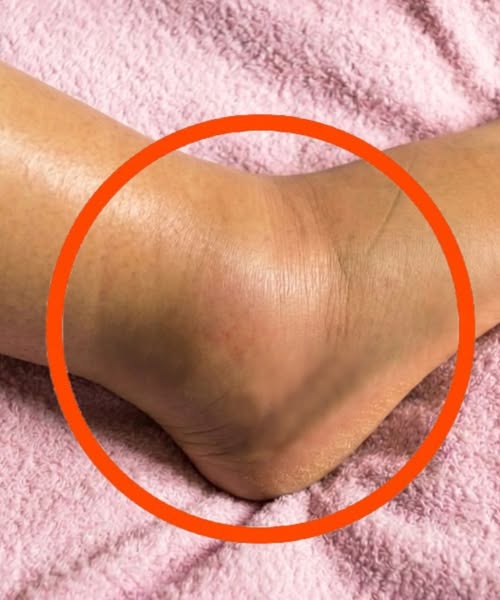
Swollen legs can have many causes, from standing too long and medication side effects to circulation, heart, kidney, or vein problems. Learn which warning signs may require medical attention.
If You Notice Your Legs Are Swollen, That’s a Sign of What?
Noticing that your legs, ankles, or feet look puffier than usual can be concerning. Leg swelling, medically known as edema, is common and can happen for many different reasons. Sometimes it is temporary and harmless, while in other cases it may be a sign that something needs medical attention.
The important thing is not to assume that swollen legs automatically mean you have a particular disease. Instead, pay attention to how suddenly the swelling appeared, whether one or both legs are affected, and what other symptoms occur with it.
1. Standing or Sitting for Too Long
Spending hours on your feet or sitting in the same position can cause fluid to collect around the ankles and lower legs.
This type of swelling often improves after moving around, resting, or elevating the legs.
Long periods of sitting during travel can have a similar effect.
2. Too Much Salt
Eating a very salty meal can cause the body to retain more fluid temporarily. Some people notice puffiness around their ankles, feet, hands, or face afterward.
Reducing excessive sodium intake and staying adequately hydrated may help, although persistent swelling should not simply be blamed on diet.
3. Vein and Circulation Problems
When the veins in the legs have difficulty returning blood toward the heart, fluid can accumulate in the lower limbs.
Chronic venous insufficiency can cause swelling around the ankles, heaviness, aching, or changes in the skin of the lower legs. Symptoms may become more noticeable after standing for long periods.
4. Certain Medications
Some medications can cause fluid retention and swelling as a side effect.
Examples include certain medicines used for high blood pressure, hormones, steroids, and some other prescription drugs.
If you think a medication may be causing your swelling, don’t stop taking it on your own. Ask your doctor or pharmacist whether it could be contributing to the problem.
5. Heart-Related Problems
In some situations, swelling in both legs can occur when the heart isn’t pumping blood effectively.
Heart-related swelling may occur along with symptoms such as shortness of breath, unusual tiredness, difficulty breathing when lying down, or rapid weight gain from fluid retention.
These symptoms deserve medical evaluation.
6. Kidney Problems
The kidneys help regulate fluid and salt levels in the body. Certain kidney disorders can interfere with this process and contribute to swelling.
Swelling may occur in the legs and feet and can sometimes be accompanied by changes in urination, fatigue, or puffiness around the eyes.
Persistent unexplained swelling should therefore be discussed with a healthcare professional.
7. Liver Problems
Some liver conditions can contribute to fluid accumulation in the legs or abdomen.
Swelling related to liver disease is usually accompanied by other symptoms rather than appearing completely on its own.
If you have persistent swelling together with abdominal enlargement, yellowing of the skin or eyes, unusual bruising, or significant fatigue, seek medical advice.
8. A Blood Clot Can Cause One-Sided Swelling
One of the more important causes to recognize is deep vein thrombosis (DVT).
A DVT can cause swelling, pain, tenderness, warmth, or redness in one leg, although symptoms can vary.
Sudden swelling in one leg—particularly when accompanied by pain or warmth—should be evaluated promptly.
If leg swelling occurs together with sudden chest pain, difficulty breathing, coughing up blood, fainting, or severe unexplained shortness of breath, seek emergency medical care immediately because a blood clot can sometimes travel to the lungs.
9. Injury or Inflammation
A sprain, strain, fracture, or other injury can cause localized swelling.
In these cases, swelling is often concentrated around the injured area and may occur with pain, bruising, tenderness, or difficulty putting weight on the leg.
When Should Swollen Legs Concern You?
The pattern of swelling matters.
Contact a healthcare professional if the swelling:
- Keeps returning or doesn’t improve
- Has no obvious explanation
- Is gradually getting worse
- Is accompanied by persistent pain
- Occurs with significant skin changes
- Comes with unexplained weight gain or reduced exercise tolerance
Seek urgent medical care if swelling appears suddenly, especially in one leg, or if it occurs with severe pain, redness, warmth, chest pain, fainting, or difficulty breathing.
Don’t Ignore Persistent Swelling
Swollen legs aren’t a diagnosis by themselves. They can result from something as simple as prolonged sitting or salty food, but they can also accompany problems involving the veins, heart, kidneys, liver, medications, or blood clots.
Instead of assuming the worst—or ignoring the symptom completely—look at the timing, severity, whether one or both legs are affected, and any other symptoms. Persistent or unexplained swelling is worth discussing with a healthcare professional.