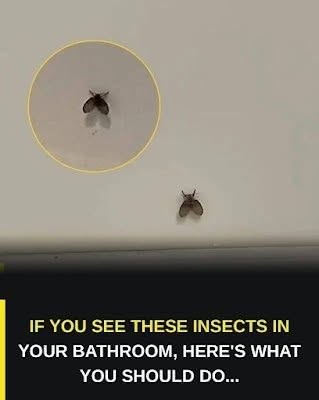
Seeing small insects in your bathroom? Learn what common bathroom bugs may be, why they appear, where they hide, and simple ways to get rid of them and prevent them from coming back.
Finding tiny insects crawling across your bathroom floor, walls, sink, or bathtub can be unsettling. Bathrooms provide exactly what many household pests need: moisture, warmth, darkness, and sometimes organic material to feed on.
The good news is that seeing a few small insects does not necessarily mean your home is dirty. Many bathroom pests are attracted primarily to damp conditions and excess humidity.
However, identifying the insect can help you understand why it is there and what you should do next.
Why Do Insects Appear in Bathrooms?
Bathrooms are naturally attractive to moisture-loving insects. After showers, baths, or frequent use of hot water, humidity can remain trapped in the room, particularly if ventilation is poor.
Common reasons insects appear include:
- High humidity
- Leaking pipes or faucets
- Standing water
- Wet towels and bath mats
- Clogged or slow drains
- Cracks around windows and doors
- Damp areas underneath sinks
- Poor bathroom ventilation
- Organic buildup inside drains
Even a clean bathroom can occasionally attract insects if moisture levels remain high.
Common Insects You Might Find
1. Silverfish
Silverfish are small, wingless insects with elongated, silvery bodies. They move quickly and are often spotted at night.
They prefer dark, damp areas and may hide around:
- Bathtubs
- Sinks
- Cabinets
- Baseboards
- Storage areas
Silverfish generally do not bite people, but their presence can indicate that an area has excessive moisture.
Reducing humidity and repairing leaks can make your bathroom less attractive to them.
2. Drain Flies
Drain flies are tiny, fuzzy-looking insects that may resemble miniature moths.
They commonly appear around sinks, showers, and floor drains because their larvae can develop in the organic material that accumulates inside drains.
If you repeatedly see small flies around your bathroom drain, simply killing the adult insects may not solve the problem.
The more important step is to clean the drain and remove the buildup where they may be breeding.
3. Cockroaches
Cockroaches can sometimes enter bathrooms through plumbing openings, drains, cracks, and gaps.
They are attracted to moisture and may become more noticeable at night.
If you see one cockroach, don’t automatically assume there is a large infestation—but repeated sightings, especially during the daytime, deserve attention.
Keep sinks and floors dry, fix leaks, seal gaps, and avoid leaving water standing overnight.
4. Earwigs
Earwigs prefer dark, damp environments and may occasionally find their way into bathrooms.
Despite their intimidating appearance, earwigs are generally not considered a major threat to people.
They are more likely to become a nuisance when there are persistent moisture problems.
5. Centipedes
House centipedes can occasionally appear in bathrooms because they prefer humid environments and hunt other small insects.
Their long legs can make them look alarming, but they are generally shy and tend to avoid people.
Interestingly, seeing centipedes can sometimes indicate that other small insects are available for them to eat.
6. Springtails
Springtails are extremely tiny insects that are often found around damp areas.
They may appear near sinks, tubs, drains, or wet surfaces, particularly when moisture levels are high.
They don’t usually cause problems for people, but a large number of them is a useful warning that the area may be staying too damp.
What Should You Do If You See Bathroom Insects?
The first step is don’t panic.
Instead of immediately spraying chemicals everywhere, try to determine what is attracting them.
Step 1: Identify the Insect
Look closely at the insect’s:
- Size
- Shape
- Color
- Number of legs
- Wings
- Movement
A clear photograph can make identification much easier.
Knowing what you’re dealing with helps determine whether you need simple moisture control or a more serious pest-control approach.
Step 2: Look for Moisture
Check underneath sinks, around toilets, behind cabinets, and near pipes.
Look for:
- Dripping faucets
- Leaking pipes
- Damp cabinets
- Wet walls
- Water around the toilet
- Persistent condensation
Even a small leak can create a favorable environment for pests.
Step 3: Improve Ventilation
Use your bathroom exhaust fan during showers and for a while afterward.
If possible, keep the bathroom door open after showering to allow moisture to escape.
A dehumidifier may also help in bathrooms that remain consistently humid.
Step 4: Keep Surfaces Dry
Don’t allow water to sit around the bathtub, sink, or floor.
Hang wet towels so they can dry properly and wash damp bath mats regularly.
The goal is to make the bathroom less attractive to moisture-loving insects.
Step 5: Clean the Drains
Drains can collect hair, soap residue, skin cells, and other organic material.
Regularly cleaning drains can help reduce the buildup that attracts certain insects, especially drain flies.
If you suspect a drain problem, inspect and clean it rather than relying only on insect spray.
Step 6: Seal Cracks and Gaps
Inspect areas around:
- Pipes
- Baseboards
- Windows
- Doors
- Cabinets
- Bathroom fixtures
Small gaps can provide insects with easy entry points.
Sealing appropriate cracks can help prevent insects from entering and finding hiding places.
Should You Be Worried?
Most insects commonly found in bathrooms are more of a nuisance than a serious danger.
However, repeated sightings shouldn’t simply be ignored.
A persistent insect problem can sometimes indicate an underlying issue such as:
- Excess moisture
- A plumbing leak
- Poor ventilation
- Drain buildup
- Structural gaps
- A larger pest infestation
If you continue seeing large numbers of insects despite cleaning and reducing moisture, professional pest control may be appropriate.
Avoid Excessive Use of Insect Spray
It can be tempting to spray every insect you see, but pesticides aren’t always necessary.
Before using any pesticide, read and follow the product label carefully. Keep children and pets away from treated areas according to the product instructions, and never mix different cleaning chemicals or pesticides.
For a small number of harmless moisture-loving insects, correcting the environmental problem may be more useful than repeatedly spraying them.
How to Prevent Bathroom Insects From Returning
Prevention is often easier than dealing with a recurring infestation.
Try these simple habits:
- Keep the bathroom well ventilated.
- Repair plumbing leaks promptly.
- Don’t leave standing water around the sink or tub.
- Clean drains regularly.
- Wash towels and bath mats regularly.
- Keep cabinets dry.
- Seal cracks and gaps where appropriate.
- Clean behind and underneath bathroom fixtures.
- Reduce excessive humidity.
- Keep the bathroom reasonably clean and dry.
When Should You Call a Pest Professional?
Consider getting professional help if you notice:
- A rapidly increasing number of insects
- Cockroaches appearing repeatedly
- Insects appearing in multiple rooms
- Evidence of an infestation
- Persistent insects despite moisture control and cleaning
- Signs of water damage or hidden leaks
A professional can help determine whether the insects are coming from a drain, plumbing area, wall cavity, or another part of the home.
Final Thoughts
Seeing tiny insects in your bathroom can certainly be unpleasant, but it doesn’t automatically mean your home is unhygienic.
In many cases, moisture is the real culprit.
Start by identifying the insect, checking for leaks, improving ventilation, cleaning damp areas and drains, and keeping the bathroom as dry as possible. If the problem continues or becomes severe, professional pest control can help identify and address the underlying cause.
The next time you spot a tiny bug near your bathtub or sink, don’t just reach for the spray. Take a closer look—you may discover that the insect is simply telling you that your bathroom has a moisture problem that needs attention.