Cancer is one of the most widely feared diseases, but decades of research have shown that cancer risk is influenced by many different factors. Genetics, age, environmental exposures, lifestyle, infections, and chance can all play a role.
While no group of people is completely protected from cancer, some people have lower risks of developing certain cancers because they avoid major risk factors or follow habits associated with better long-term health.
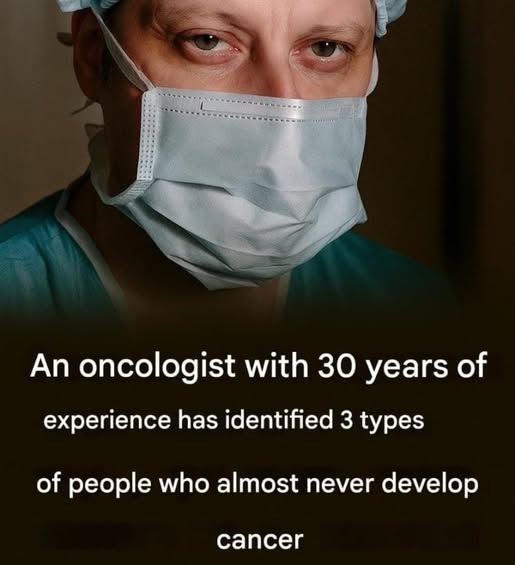
An oncologist with decades of experience might highlight these three broad groups—not as people who are immune to cancer, but as people who tend to make choices that can reduce preventable cancer risks.
1. People Who Don’t Smoke or Use Tobacco
Tobacco is one of the most important preventable causes of cancer. Smoking is strongly associated with lung cancer and several other cancers, including cancers of the mouth, throat, esophagus, bladder, pancreas, kidney, and cervix.
People who never smoke generally avoid one of the largest preventable cancer risks.
However, never smoking does not mean someone cannot develop cancer. Nonsmokers can still develop lung cancer and many other types of cancer for reasons unrelated to tobacco.
2. People Who Maintain Healthy Everyday Habits
Regular physical activity, maintaining a healthy weight, eating a balanced diet, and limiting alcohol can contribute to a lower risk of several cancers.
A healthy lifestyle does not need to be extreme. Simple habits such as walking regularly, eating plenty of vegetables and fruits, choosing whole grains, limiting highly processed foods, and avoiding excessive alcohol can support overall health.
The goal isn’t to create a “cancer-proof” lifestyle—because no such lifestyle exists—but to reduce avoidable risk factors.
3. People Who Take Prevention and Screening Seriously
Some people lower their chances of dying from cancer by paying attention to prevention and recommended screening.
Depending on age, sex, family history, and personal risk factors, screening may help detect certain cancers or precancerous changes before they become more difficult to treat.
Examples include screening for colorectal, cervical, and breast cancers when appropriate.
Vaccination can also prevent some cancer-causing infections. For example, HPV vaccination helps protect against infections that can contribute to several cancers.
The Important Truth: Nobody Is Completely Protected
It’s tempting to believe that certain people simply “don’t get cancer,” but that’s misleading.
Even someone who exercises, eats well, never smokes, and follows every recommended screening guideline can still develop cancer.
Cancer prevention is about reducing risk—not guaranteeing immunity.
The most useful takeaway is therefore not to search for a special category of people who never develop cancer. Instead, focus on the factors you can control: avoid tobacco, stay physically active, maintain a healthy weight, limit alcohol, protect yourself from excessive UV exposure, follow appropriate vaccination recommendations, and discuss cancer screening with a qualified healthcare professional.
Small preventive choices made consistently over many years can make a meaningful difference to long-term health.