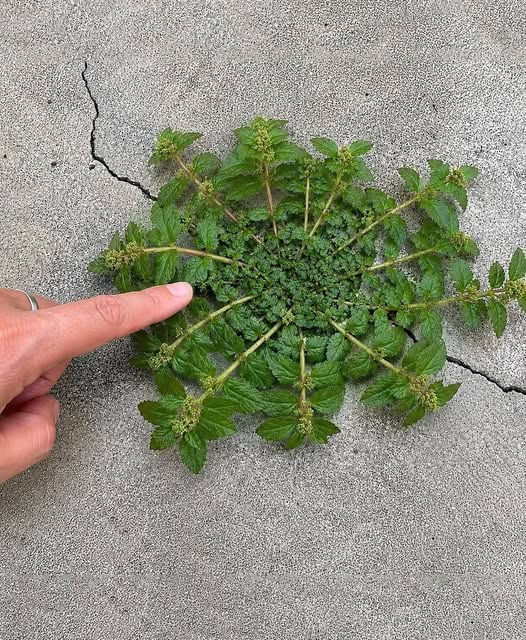
Nature has a fascinating way of hiding valuable treasures in the simplest places. A plant that looks completely ordinary may have leaves that have been used for generations in cooking, traditional remedies, gardening, and everyday household practices.
That is why the saying “Just one leaf of this plant is worth a gold mine!” has captured so much attention. But before believing extraordinary claims about any plant, it is important to understand exactly which plant is being discussed and what has actually been established about its uses.
Why Can a Single Leaf Be So Valuable?
Leaves are among the most useful parts of many plants. They contain naturally occurring compounds that can contribute to a plant’s aroma, flavor, color, defense mechanisms, and traditional medicinal applications.
Some leaves are commonly used as culinary herbs, while others have a long history in traditional systems of medicine. Certain plants are also valued because their leaves contain aromatic oils, antioxidants, or other naturally occurring compounds.
However, “worth a gold mine” is usually a catchy expression rather than a literal financial valuation. The real value of a leaf depends on the plant species, how it is used, how much scientific evidence exists, and whether it is safe for consumption.
Traditional Uses of Valuable Plant Leaves
Across cultures, leaves have been used in many different ways. Depending on the plant, people may use leaves to:
- Add flavor and aroma to food
- Prepare traditional teas or infusions
- Create herbal preparations
- Make natural fragrances
- Support traditional household remedies
- Use as natural ingredients in beauty preparations
- Provide food for beneficial insects and wildlife
Many traditional practices have been passed from one generation to another. Some have later become subjects of scientific research, while others remain traditional practices without strong clinical evidence.
Natural Does Not Always Mean Safe
One of the biggest mistakes people make with herbal remedies is assuming that anything natural must automatically be harmless.
That is not always true.
Plants can contain powerful chemical compounds, and some can interact with medicines or cause unwanted effects when consumed in large amounts. Correct plant identification is particularly important because some harmless-looking plants have poisonous relatives.
For this reason, never consume an unidentified leaf simply because an online post describes it as a miracle remedy.
What Makes Plant Identification Important?
A plant’s common name can vary from country to country. Two completely different plants may even share the same popular name.
Proper identification may require looking at:
- Leaf shape
- Leaf arrangement
- Color and texture
- Stem characteristics
- Flowers
- Fruit or seeds
- Plant size
- Growing environment
A clear photograph showing the entire plant, leaves, and—if available—flowers or fruit can make identification much easier.
The Truth Behind Viral “Miracle Leaf” Claims
Social media frequently features claims that a particular leaf can cure numerous illnesses, rapidly burn fat, replace medication, or provide almost unbelievable health benefits.
These claims should be treated carefully.
A plant may contain interesting compounds or have promising laboratory research behind it, but that does not automatically prove that eating one leaf will produce a dramatic health effect in humans.
There is an important difference between:
Traditional use → laboratory research → animal studies → human clinical evidence
These stages are not interchangeable.
A responsible article should distinguish traditional knowledge from scientifically established medical benefits.
How to Get the Most From a Plant Safely
If you have identified a useful edible or culinary plant, follow reliable instructions for preparation and quantity rather than assuming that more is better.
If the plant is being considered for a health condition, pregnancy, breastfeeding, or alongside prescription medication, professional medical advice is especially important.
The safest approach is simple: identify first, research second, consume third.
A Tiny Leaf With a Big Story
The fascinating thing about plants is that their value is not always obvious. A tiny leaf can contain aromatic compounds, nutrients, traditional significance, or practical uses that make it much more interesting than it initially appears.
So, while calling one leaf “a gold mine” may be an attention-grabbing phrase, the real treasure is understanding what the plant actually is, what it has traditionally been used for, and what modern evidence says about it.
If you have seen a mysterious plant and want to know whether it really is the “gold mine” everyone is talking about, a clear photograph is the best place to start.