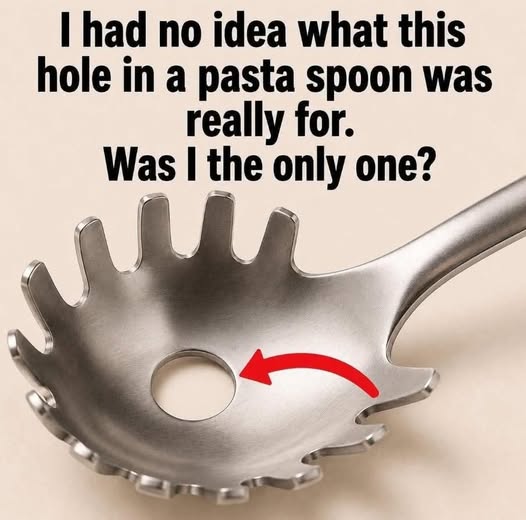
Have you ever looked closely at a piece of pasta and noticed that some shapes have a tiny opening in the middle?
That little hole may look like a simple design detail, but in many types of pasta, it serves a very practical purpose. Pasta shapes were not created randomly. Their curves, ridges, folds, and openings are often designed to interact with sauces in specific ways.
One of the best examples is bucatini, a long pasta that looks similar to spaghetti but has a hole running directly through its center.
What Is the “Hole” in Pasta?
The hole in bucatini is not a defect. It is part of the pasta’s design.
Bucatini is essentially a thick, hollow strand of pasta. Its name comes from an Italian word associated with “hole” or “pierced” pasta. The central opening runs through the entire length of the noodle.
When cooked, the hollow center gives bucatini a different texture from ordinary spaghetti. It remains substantial and chewy while providing a passageway through the middle of the strand.
Why Would Anyone Put a Hole in a Noodle?
The answer comes down largely to texture and sauce.
A hollow pasta shape can hold sauce not only on its outside surface but also inside the noodle. When you bite into it, the combination of pasta and sauce creates a different eating experience from a solid strand.
This is one reason traditional pasta shapes are so varied. Certain shapes work particularly well with thick sauces, while others are better suited to lighter sauces or ingredients that need to cling to the pasta.
Bucatini vs. Spaghetti
At first glance, bucatini and spaghetti can look almost identical.
The major difference is that spaghetti is solid, while bucatini has a hollow center.
Bucatini is also generally thicker and has a more substantial bite. Because of its hollow structure, it can work especially well with rich sauces.
Classic preparations often pair it with tomato-based sauces, cheese, cured meats, or other flavorful ingredients.
How Is Hollow Pasta Made?
Traditional dried pasta is commonly produced by mixing flour or semolina with water and then shaping the dough through a process called extrusion.
For certain pasta shapes, the dough is pushed through a specially designed die. The shape of the die determines the shape of the finished pasta.
For hollow pasta, the extrusion equipment is designed so that dough forms around an opening rather than producing one completely solid strand.
The pasta is then cut to the desired length and dried carefully to remove moisture and make it shelf-stable.
Does the Hole Change Cooking?
Yes, slightly.
Because bucatini is thicker than standard spaghetti, it can require a little more cooking time. The exact cooking time depends on the brand and whether the pasta is dried or fresh.
The best approach is to follow the package instructions and begin tasting the pasta toward the end of the suggested cooking time.
For many Italian-style pasta dishes, cooking the pasta al dente provides a pleasantly firm texture.
The Sauce Can Make All the Difference
One of the most enjoyable things about hollow pasta is the way sauce interacts with it.
Imagine twirling a strand of bucatini around your fork. Sauce coats the outside while some can enter the hollow center. This creates a richer combination of pasta and sauce in every bite.
For that reason, bucatini is particularly appealing with flavorful sauces that benefit from being carried generously by the pasta.
Pasta Shapes Have a Purpose
The “secret hole” is part of a much bigger story.
Italian pasta comes in hundreds of shapes and sizes, and different designs can affect how sauce adheres to the pasta.
Ridges can trap sauce. Curves can hold thicker ingredients. Tubes can capture sauce inside. Wide, flat shapes provide a larger surface for rich sauces.
Even small differences in shape can change the texture and overall eating experience.
Is the Hole a Modern Food Trick?
Not at all.
Hollow pasta is part of a long tradition of pasta-making. The design reflects the broader Italian tradition of matching pasta shapes with particular sauces and regional cooking styles.
So the next time you see a hollow strand of pasta, you’re looking at more than an unusual noodle. You’re seeing an example of how traditional food design can combine shape, texture, cooking technique, and sauce.
The Bottom Line
That tiny “secret hole” in pasta isn’t there by accident.
If you’re eating bucatini or another hollow pasta, the opening is an intentional part of the shape. It can influence the pasta’s texture and allow sauce to interact with the noodle in a different way.
So before dismissing that little hole as a curiosity, remember: in pasta, even the smallest design details can have a purpose.