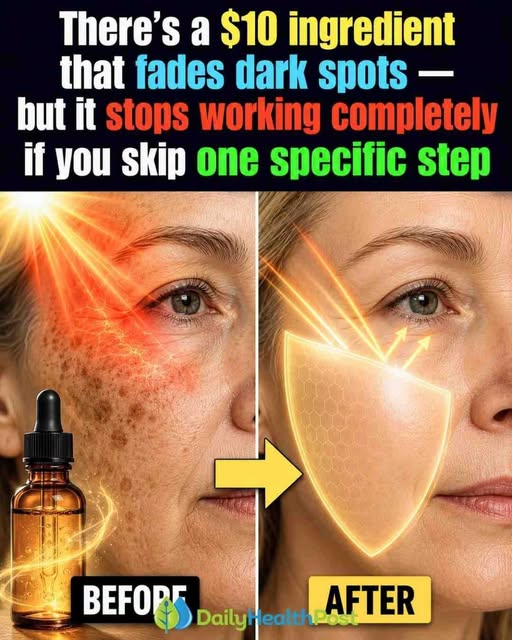
Dark spots, uneven skin tone, and leftover marks from breakouts can be frustrating, especially when they seem to take forever to fade. While expensive skincare products often promise dramatic results, one affordable ingredient commonly found in skincare routines is azelaic acid.
Depending on the product and concentration, an azelaic-acid treatment can often be found for around $10–$20. It is used to help improve the appearance of hyperpigmentation while also addressing acne and inflammation.
But there’s one important step that people frequently skip: daily sun protection.
Why Sunscreen Matters So Much
Dark spots are strongly influenced by ultraviolet (UV) exposure. Even when you’re treating pigmentation, repeated sun exposure can encourage pigment production and make existing discoloration more noticeable.
That means you can use a carefully chosen brightening ingredient consistently, but if you regularly expose your skin to the sun without protection, your progress may be much slower.
A broad-spectrum SPF 30 or higher is one of the most important parts of a routine aimed at improving hyperpigmentation.
How Azelaic Acid Works
Azelaic acid is a naturally occurring dicarboxylic acid that has been studied for acne and certain forms of hyperpigmentation.
It can help improve the appearance of dark marks by influencing processes involved in melanin production. It also has anti-inflammatory properties, which can make it particularly useful for people whose pigmentation is associated with acne or irritation.
Unlike aggressive bleaching treatments, azelaic acid is generally considered a relatively gentle option when used correctly.
How to Add It to Your Routine
If you’re new to azelaic acid, start slowly.
Morning:
- Gentle cleanser
- Moisturizer, if needed
- Broad-spectrum SPF 30–50
Evening:
- Cleanse your face
- Apply a thin layer of azelaic-acid product according to its instructions
- Follow with moisturizer
You don’t necessarily need to use it twice a day. Starting every other day can help your skin adjust.
Don’t Expect Overnight Results
One of the biggest mistakes with pigmentation is expecting a dark spot to disappear within a few days.
Skin discoloration generally improves gradually. Depending on the cause and depth of pigmentation, visible improvement can take weeks to months.
Consistency matters more than applying a large amount of product.
What If It Burns or Irritates Your Skin?
A little tingling can occur with some azelaic-acid products, particularly when you first begin using them. However, significant burning, swelling, blistering, or persistent redness isn’t something you should simply tolerate.
Stop using the product if you develop a strong reaction and allow your skin to recover. If the reaction is severe or doesn’t improve, seek professional medical advice.
The Bottom Line
An inexpensive skincare ingredient such as azelaic acid may help improve the appearance of certain types of dark spots over time. But there isn’t a magic $10 ingredient that works for everyone.
The step that should never be skipped is sun protection.
Think of pigmentation care as a two-part routine: treat the discoloration and protect your skin from further UV exposure. Without consistent sun protection, even a good skincare routine may struggle to deliver the results you’re hoping for.