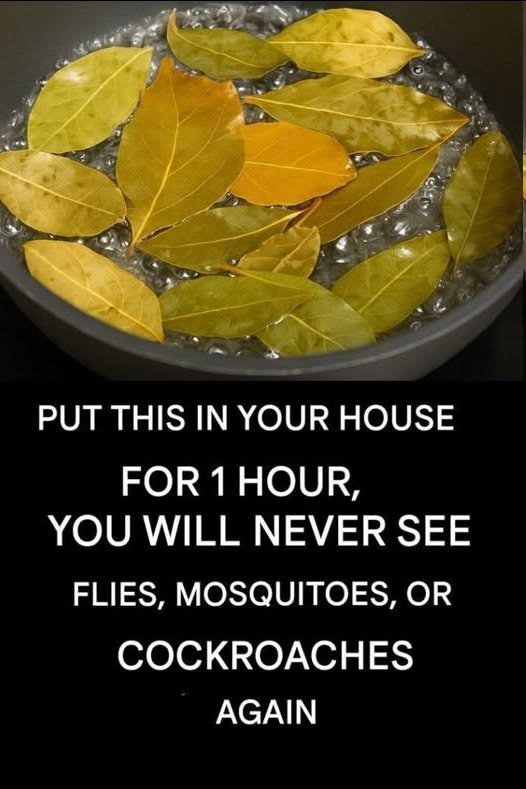
Learn how boiled aromatic leaves may help make your home less attractive to flies, mosquitoes and cockroaches. Discover how to prepare and use a simple homemade herbal spray safely.
If flies, mosquitoes and cockroaches seem to appear in your home no matter how often you clean, you may be looking for a simple, inexpensive way to make your surroundings less attractive to these unwanted pests.
One popular household approach is to use strong-smelling aromatic leaves and herbs. When these leaves are simmered in water, some of their natural aromatic compounds are released into the water and surrounding air. The resulting solution can be used as a household spray.
One commonly used option is bay leaves (tej patta).
Bay leaves have a distinctive aroma and contain naturally occurring compounds that have been investigated for their insect-repellent properties. However, a homemade bay-leaf solution should be viewed as a supplementary household measure, not a replacement for proper pest control.
Why Bay Leaves Are Used Around the Home
Bay leaves contain aromatic compounds that give them their characteristic fragrance.
That strong scent is pleasant to many people but may be unpleasant to some insects. This is one reason bay leaves have traditionally been placed in cupboards, pantries and other areas where insects are unwanted.
However, the strength and duration of the effect can vary considerably. A homemade preparation isn’t guaranteed to eliminate an infestation.
How to Make a Simple Bay-Leaf Solution
You only need a few basic ingredients.
Ingredients
- 8–10 dried bay leaves
- 2 cups of water
- A small saucepan
- A clean spray bottle
Directions
- Place the bay leaves in a saucepan.
- Add approximately 2 cups of water.
- Bring the water to a gentle boil.
- Reduce the heat and simmer for about 10–15 minutes.
- Turn off the heat and allow the liquid to cool completely.
- Strain out the leaves.
- Pour the cooled liquid into a clean spray bottle.
The solution can be lightly sprayed around appropriate household areas where insects are frequently noticed.
Where Can You Use It?
You can consider using the solution around areas such as:
- Kitchen corners
- Near rubbish bins
- Around doors and windows
- Under or behind appliances
- Pantry areas
- Around entry points where insects may enter
Do not spray it directly onto food, dishes, cooking surfaces or areas where children and pets can easily lick it.
It’s also wise to test a small hidden area first because homemade plant preparations may stain or damage certain surfaces.
What About Mosquitoes?
Mosquito control requires more than a scented spray.
Mosquitoes breed in standing water, so one of the most effective household steps is to remove or regularly empty containers that collect water.
Check:
- Plant saucers
- Buckets
- Open containers
- Drainage areas
- Outdoor pots
- Pet-water containers
Keeping window screens intact and using appropriate mosquito-control measures can also help.
A bay-leaf preparation may provide an additional scent-based deterrent, but it shouldn’t be considered reliable protection against mosquito bites.
What About Cockroaches?
Cockroaches are attracted to food, moisture and shelter.
Rather than relying solely on a homemade spray, focus on removing the conditions that allow them to thrive.
Keep food sealed, clean crumbs promptly, repair leaks and avoid leaving dirty dishes overnight.
Pay particular attention to dark, warm areas such as:
- Under the sink
- Behind refrigerators
- Around pipes
- Inside cupboards
- Near rubbish containers
If you are seeing cockroaches frequently, especially during the daytime, you may have a larger infestation that requires proper pest control.
Don’t Forget Flies
Flies can reproduce rapidly when they have access to food waste or other organic material.
To make your kitchen less attractive to them:
- Keep rubbish bins covered.
- Empty food waste regularly.
- Clean spills immediately.
- Keep fruit covered or refrigerated when appropriate.
- Wash dishes promptly.
- Keep doors and windows screened when possible.
A pleasant-smelling herbal solution may help as an extra measure, but cleanliness and eliminating food sources are much more important.
Can You Add Other Herbs?
Some people combine bay leaves with other strongly aromatic herbs such as rosemary or mint.
Although these plants contain fragrant compounds that have been studied for potential insect-repellent activity, adding more ingredients doesn’t automatically make a homemade spray more effective.
It’s better to start with a simple preparation and avoid combining numerous herbs, essential oils or chemicals without knowing whether they are safe together.
Important Safety Precautions
Natural does not automatically mean harmless.
Keep homemade sprays away from children’s reach and avoid spraying them directly onto pets, pet bedding, food or drinking-water bowls.
Never mix homemade herbal preparations with bleach, ammonia, insecticides or other household chemicals.
If a commercial pesticide is necessary, follow its label instructions carefully.
People with allergies or sensitive skin should also avoid unnecessary skin contact with concentrated plant preparations.
The Best Way to Control Household Pests
The most effective approach is usually prevention + sanitation + physical barriers + appropriate pest control.
For example:
For flies: eliminate exposed food and rubbish.
For mosquitoes: remove standing water and use screens or appropriate repellents.
For cockroaches: remove food and moisture sources, seal cracks and consider professional treatment if the infestation persists.
A homemade bay-leaf spray can be an inexpensive addition to your household routine, but it shouldn’t be presented as a guaranteed way to eradicate pests.
Final Thoughts
Boiling aromatic leaves such as bay leaves creates a fragrant homemade solution that some people use around the house to discourage unwanted insects.
It’s simple and inexpensive to prepare, but expectations should remain realistic. It may help as a supplementary deterrent, but it won’t reliably eliminate an established infestation.
For lasting results, combine household cleaning and pest-prevention measures with proven pest-control methods when necessary.
A cleaner, drier and well-sealed home is ultimately one of the best defenses against flies, mosquitoes and cockroaches.