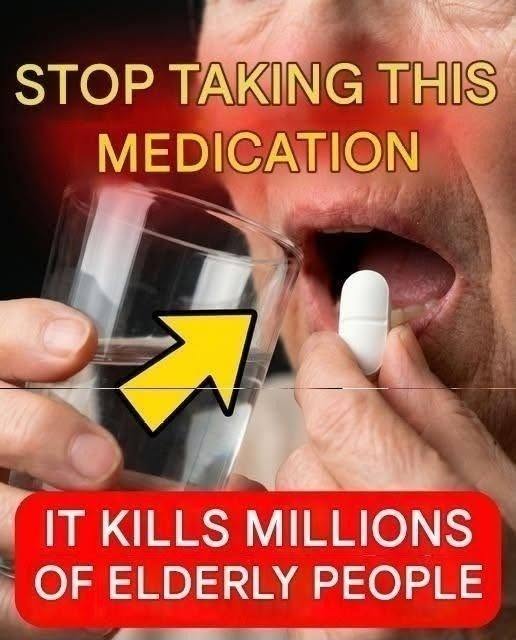
Some common medications may increase cardiovascular risks in older adults, especially those with high blood pressure or heart disease. Learn which medicines deserve extra caution and why you should never stop prescribed medication suddenly.
As we get older, our bodies can respond differently to medications. The kidneys and liver may process medicines differently, people may take several prescriptions at once, and conditions such as high blood pressure, diabetes, kidney disease and heart disease become more common.
That doesn’t mean older adults should avoid necessary medications. In fact, many medicines—including blood-pressure and cholesterol medicines—can reduce the risk of heart attack and stroke when appropriately prescribed.
The important point is to understand which commonly used medicines may require extra caution.
Here are five categories worth discussing with a doctor or pharmacist.
1. NSAID Painkillers
Nonsteroidal anti-inflammatory drugs, commonly called NSAIDs, include medications such as:
- Ibuprofen
- Naproxen
- Diclofenac
- Other prescription and over-the-counter anti-inflammatory painkillers
These medicines can be useful for pain and inflammation, but regular or prolonged use can be concerning for people with cardiovascular disease.
NSAIDs may raise blood pressure and can contribute to fluid retention. The American Heart Association notes that NSAIDs can pose cardiovascular concerns, particularly in people who already have heart disease.
The concern is especially important when someone is taking these medicines frequently rather than occasionally.
What should older adults do?
Don’t automatically stop a prescribed pain medicine.
Instead, ask:
“Do I still need this medicine, and is there a safer option for me?”
Depending on the person’s condition, a healthcare professional may recommend a different pain-management approach.
2. Decongestants
Cold and allergy medicines sometimes contain decongestants such as pseudoephedrine or phenylephrine.
These medications work partly by narrowing blood vessels, which can increase blood pressure. This can be particularly concerning for people with uncontrolled hypertension or cardiovascular disease.
Many people don’t realize that an ordinary cold medicine can contain a decongestant.
Check the label
Before taking a cold or sinus product, look at its active ingredients.
If an older adult has:
- High blood pressure
- Heart disease
- A history of heart attack
- Abnormal heart rhythm
they should ask a doctor or pharmacist whether a decongestant is appropriate.
Saline nasal products may be an alternative for some people, depending on the symptoms.
3. Systemic Corticosteroids
Steroid medicines such as prednisone and methylprednisolone can be extremely useful for certain inflammatory and autoimmune conditions.
However, systemic corticosteroids can affect blood pressure and blood sugar. The American Heart Association lists systemic corticosteroids among substances that can raise blood pressure.
This doesn’t mean that someone prescribed a steroid should simply stop taking it.
In some circumstances, suddenly stopping a steroid can itself be dangerous.
Instead, the prescribing doctor should determine whether the dose and duration remain appropriate.
4. Certain Antidepressants and Antipsychotics
Some psychiatric medications can affect blood pressure, heart rhythm, metabolism or other cardiovascular factors.
The American Heart Association notes that certain antidepressants and atypical antipsychotics can contribute to elevated blood pressure.
This is particularly important in older adults because they may already be taking several medications simultaneously.
However, this does not mean these medications are unsafe or should be stopped.
A medication may be providing substantial benefits, and the decision to continue, change or taper it should be made with the prescribing healthcare professional.
5. Aspirin When Taken Without Medical Advice
Aspirin is an interesting example because it can prevent cardiovascular events in selected patients, but it isn’t appropriate for everyone.
People who have already experienced a heart attack or certain types of stroke may be prescribed aspirin to reduce the risk of another cardiovascular event.
But taking daily aspirin on your own to prevent a first heart attack can be inappropriate, particularly in older adults because aspirin can increase the risk of serious bleeding.
The American Heart Association specifically advises people not to begin daily low-dose aspirin without discussing the risks and benefits with their healthcare professional. For adults over 70, aspirin for primary prevention may cause more harm than benefit in some circumstances.
Never assume “baby aspirin” is harmless simply because the dose is low.
The correct decision depends on the person’s cardiovascular and bleeding risks.
Why Older Adults Need Extra Medication Reviews
One of the biggest issues isn’t necessarily one individual medication.
It can be the combination of several medications.
An older adult might take medicine for:
- Blood pressure
- Cholesterol
- Arthritis
- Diabetes
- Sleep
- Anxiety or depression
- Allergies
- Heart rhythm
- Pain
When several medicines are taken together, the possibility of interactions and side effects increases.
That’s why medication reviews are so important.
Ask These Questions at the Next Doctor’s Appointment
Take a complete list of all medications—including over-the-counter products and supplements—and ask:
1. Do I still need every medication on this list?
2. Are any of them raising my blood pressure?
3. Could any of them interact with my heart medicines?
4. Is my current dose appropriate for my age and kidney function?
5. Are there safer alternatives for long-term use?
6. Are there any medicines I should avoid when taking my current prescriptions?
These simple questions can help identify potential problems before they become serious.
Don’t Stop Your Medication Suddenly
This is one of the most important messages.
Seeing a warning about a medication online does not mean you should stop taking it.
Some medications protect against heart attack and stroke, while others may be essential for controlling another serious medical condition.
The American Heart Association advises patients not to stop or change prescribed medication without discussing it with their healthcare professional.
Instead, arrange a medication review with your doctor or pharmacist.
When Should You Seek Emergency Help?
Medication-related symptoms can sometimes be serious.
Seek emergency medical attention for symptoms such as:
- Pressure, squeezing or severe pain in the chest
- Sudden difficulty breathing
- Fainting
- Sudden weakness or numbness on one side
- Sudden difficulty speaking
- Sudden confusion
- Sudden severe headache
- New severe palpitations accompanied by dizziness or fainting
These symptoms should never be dismissed as simply a medication side effect.
The Bottom Line
Some commonly used medications can increase cardiovascular risks or blood pressure in certain people, particularly when used at higher doses, for long periods or in people who already have cardiovascular disease.
NSAIDs, decongestants, systemic corticosteroids, certain psychiatric medications and unsupervised aspirin use are examples that deserve discussion with a healthcare professional.
But the answer is not to stop medications on your own.
The safest approach is a regular medication review that considers your age, blood pressure, kidney function, heart history, other medications and overall health.
The right medication can protect your heart. The wrong medication—or the wrong dose for a particular person—can create unnecessary risks. That’s why personalized medical advice matters more than a one-size-fits-all list.