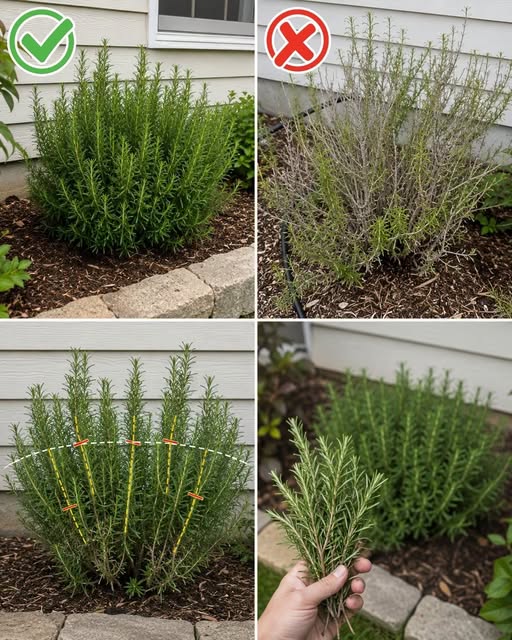
Rosemary is one of those wonderful garden herbs that can keep giving you fresh, fragrant sprigs for months and even years when it’s cared for properly. But if your rosemary plant has started looking leggy, woody, uneven, or overgrown, it may be time for a trim.
The good news is that pruning rosemary isn’t difficult. In fact, a well-timed trim can help encourage a fuller, healthier-looking plant while giving you plenty of fresh rosemary to use in the kitchen.
The key is knowing when to prune, where to cut, and what mistakes to avoid.
When Is the Best Time to Trim Rosemary?
The ideal time to give rosemary its main pruning is generally after flowering and during its active growing period, when the plant can recover and produce new growth.
For many gardeners, spring and early summer are excellent times for shaping and maintaining rosemary.
If you live in a warm climate where rosemary grows for much of the year, you may have a longer pruning window.
Avoid Heavy Pruning Before Cold Weather
One of the biggest mistakes is cutting rosemary back aggressively just before winter.
Fresh new growth is more vulnerable to cold temperatures. If a major trim is needed, it’s generally better to do it while the plant has plenty of growing time ahead.
Light harvesting, however, can usually be done throughout the growing season.
Why Should You Prune Rosemary?
Regular, sensible pruning can help your rosemary plant maintain a more attractive shape.
1. It Encourages Bushier Growth
If rosemary is left completely untouched, it can become tall and sparse. Removing some of the growing tips encourages the plant to branch and can help it look fuller.
2. It Prevents the Plant From Becoming Too Leggy
Rosemary naturally develops woody stems as it gets older. Occasional trimming helps keep the plant compact and manageable.
3. It Keeps the Plant Looking Healthy
Removing damaged, dead, or weak-looking growth allows you to maintain a cleaner-looking plant.
4. It Gives You Fresh Rosemary
Pruning doesn’t have to mean throwing anything away. Healthy cuttings can be used immediately in cooking or, in some cases, propagated into new plants.
How to Trim Rosemary Correctly
Step 1: Choose a Dry Day
Whenever possible, prune rosemary on a dry day rather than immediately before or during prolonged wet weather.
Dry conditions can help reduce the chance of moisture-related problems around fresh cuts.
Step 2: Use Clean, Sharp Shears
Before pruning, make sure your garden scissors or pruning shears are clean and sharp.
Dull tools can crush stems instead of making clean cuts.
Step 3: Remove Dead or Damaged Growth
Start by looking over the entire plant.
Remove stems that are:
- Dead
- Broken
- Damaged
- Diseased-looking
- Completely dried out
Make clean cuts rather than tearing or snapping branches.
Step 4: Trim the Green Growth
For routine shaping, concentrate on the green, flexible portions of the stems.
You can shorten long branches to encourage a more compact shape.
A useful rule is to avoid cutting deeply into old, bare woody stems unless you have a specific reason and know the plant can tolerate it.
Rosemary may not reliably produce new growth from very old, leafless wood.
Step 5: Shape the Plant Gradually
Don’t try to completely reshape an overgrown rosemary plant in one afternoon.
Instead, remove a little at a time and step back to look at the overall shape.
The goal is a naturally rounded, balanced plant—not a perfectly sculpted shrub.
How Much Rosemary Can You Cut?
For routine maintenance, avoid removing a huge percentage of the plant at once.
A moderate trim is usually safer than an aggressive haircut.
If your rosemary is extremely overgrown, divide the work into stages rather than cutting everything back dramatically.
This gives the plant a better opportunity to recover and produce fresh growth.
What About Woody Rosemary?
Older rosemary plants naturally develop woody stems. This isn’t necessarily a sign that something is wrong.
The important thing is to distinguish between:
Green, flexible growth:
This is where you generally want to make routine pruning cuts.
Old, bare woody stems:
These are less likely to produce vigorous new shoots after severe cutting.
If most of your plant has become woody, don’t simply cut the entire shrub down to the bare base.
Instead, gradually maintain the younger green growth and consider propagating healthy cuttings to create replacement plants.
Don’t Throw Away Your Cuttings!
Fresh rosemary trimmings can be incredibly useful.
You can:
- Add fresh rosemary to roasted potatoes
- Season chicken
- Flavor soups and stews
- Add it to roasted vegetables
- Infuse olive oil
- Dry the leaves for later use
- Use sprigs to flavor breads and marinades
You can even bundle some healthy stems and allow them to dry for a homemade dried-herb supply.
Can Rosemary Be Pruned Into a Shape?
Yes!
Rosemary can be maintained as a rounded shrub, low hedge, or even a small ornamental plant.
However, don’t sacrifice the plant’s health just to achieve a perfectly geometric shape.
Make small cuts throughout the growing season and encourage natural branching.
Common Rosemary Pruning Mistakes
Cutting Too Deep Into Old Wood
This is probably the most important mistake to avoid.
A severe cut into completely bare, old wood may leave the plant with little ability to produce fresh growth.
Pruning Too Much at Once
More pruning isn’t necessarily better.
If a plant is badly overgrown, gradual maintenance is usually preferable to removing most of the foliage in one session.
Using Dirty Shears
Garden tools can carry plant pathogens from one plant to another.
Cleaning your tools before pruning is a simple habit that can help keep your garden healthier.
Pruning Right Before a Hard Freeze
Freshly cut growth can be more vulnerable to cold. Major pruning should generally be timed so the plant has an opportunity to recover before severe weather.
Ignoring the Plant’s Growing Conditions
A rosemary plant growing in full sun with excellent drainage may grow very differently from one struggling with shade or consistently wet soil.
If your rosemary looks weak or sparse, pruning alone may not solve the problem.
Rosemary Loves the Right Conditions
Pruning works best when the plant is already growing in suitable conditions.
Rosemary generally prefers:
- Plenty of sunlight
- Well-draining soil
- Good air circulation
- Moderate watering
- A container or garden bed that doesn’t stay waterlogged
One of the easiest ways to damage rosemary is keeping its roots consistently wet.
If the soil remains soggy for long periods, investigate drainage before simply adding more water or fertilizer.
A Simple Rosemary Pruning Routine
You don’t need to make rosemary care complicated.
In spring:
Inspect the plant and remove dead or damaged growth. Shape long branches and encourage fresh branching.
During the growing season:
Harvest healthy green sprigs regularly. Light trimming can help maintain the plant’s shape.
After flowering:
Give the plant a moderate maintenance trim if needed.
Before winter:
Avoid aggressive pruning, particularly if cold weather is approaching.
Final Thoughts
Rosemary is wonderfully forgiving when you prune it thoughtfully.
The secret isn’t cutting as much as possible—it’s cutting in the right places at the right time.
Focus your routine pruning on healthy green growth, remove dead or damaged branches, keep your tools clean, and avoid cutting heavily into old bare wood.
With a little regular attention, your rosemary can stay bushy, fragrant, productive, and beautiful while providing you with fresh herbs for your favorite recipes.
So if your rosemary is looking a little wild right now, don’t panic. Grab a clean pair of shears, take a careful look at the plant, and give it the gentle trim it needs. 🌿