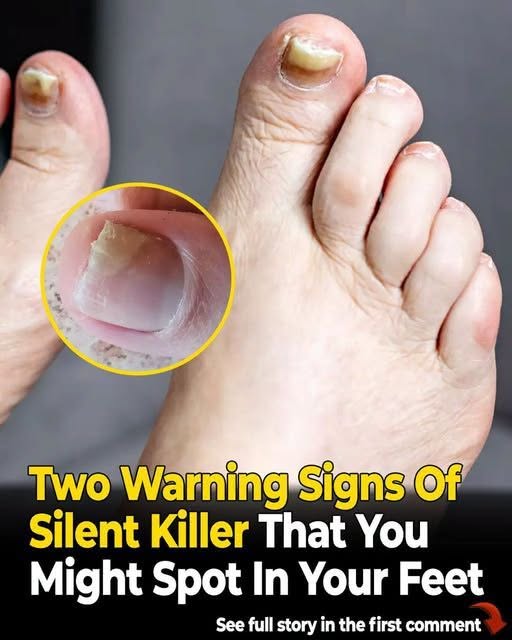
Your feet can sometimes reveal important clues about what’s happening inside your body. Changes in sensation, skin color, temperature, wounds, or the ability to walk may seem minor at first, but certain patterns deserve medical attention.
Two conditions that can quietly damage the feet are peripheral artery disease (PAD), which reduces blood flow to the legs and feet, and diabetic peripheral neuropathy, a type of nerve damage associated with diabetes.
Neither condition should be diagnosed from symptoms alone, but recognizing possible warning signs can encourage people to seek medical evaluation sooner.
1. Peripheral Artery Disease: When Blood Flow to the Feet Is Reduced
Peripheral artery disease occurs when arteries supplying the legs become narrowed or blocked, most commonly because of plaque buildup in the arteries. Some people have few or no obvious symptoms, which is one reason PAD can go unnoticed.
Warning Sign #1: Leg or Foot Pain While Walking
One of the classic signs of PAD is aching, cramping, burning, heaviness, or fatigue in the leg muscles during walking or exercise.
The discomfort may occur in the calf, thigh, buttocks, ankle, or foot. A particularly important pattern is pain that appears with activity and improves after resting for a few minutes.
Some people may dismiss this as ordinary aging, arthritis, or simply being out of shape. But recurring walking-related leg pain deserves medical evaluation.
Warning Sign #2: A Foot That Feels Colder Than the Other
Reduced circulation can cause one foot or lower leg to feel noticeably colder than the other.
Other circulation-related changes may include pale, bluish, or otherwise unusual skin coloring. Weak or absent pulses in the feet can also be a sign of reduced arterial blood flow, although checking pulses properly is something a healthcare professional should do.
Warning Sign #3: Cuts That Heal Slowly
A small cut, blister, or sore that takes unusually long to heal should not be ignored—particularly in someone with diabetes or known circulation problems.
Poor blood flow can make it harder for damaged tissue to receive the oxygen and nutrients it needs for healing. In severe PAD, persistent ulcers and tissue damage can develop.
Warning Sign #4: Changes in Hair or Toenails
Less hair growth on the legs and feet, slowly growing toenails, shiny skin, or other changes in the appearance of the lower legs can occur with reduced circulation.
These signs aren’t proof of PAD by themselves. However, when they occur alongside walking-related pain, cold feet, numbness, or slow-healing wounds, they are worth discussing with a healthcare professional.
2. Diabetic Peripheral Neuropathy: When Nerves Stop Warning You
Diabetes can damage nerves over time, particularly in the feet and legs. This condition is called diabetic peripheral neuropathy.
The problem isn’t simply discomfort. Reduced sensation can mean that a person doesn’t notice a blister, cut, burn, pressure point, or developing wound until it has become more serious.
That’s why regular foot inspection is particularly important for people with diabetes.
Warning Sign #1: Numbness or Reduced Sensation
One of the most important warning signs is feeling less sensation in the feet.
Someone may not notice that their shoe is rubbing against the skin or that they have stepped on something sharp.
Loss of sensation can make ordinary foot injuries easier to miss.
Warning Sign #2: Burning, Tingling, or Pins-and-Needles
Nerve problems don’t always cause numbness. Some people experience:
- Burning
- Tingling
- Pins-and-needles sensations
- Shooting or electric-like pain
- Increased sensitivity to touch
Recurring or unexplained symptoms should be discussed with a healthcare professional, especially in people with diabetes.
Warning Sign #3: Blisters or Wounds You Didn’t Notice
A person with reduced sensation may develop a blister or small wound without remembering an injury.
That’s why people with diabetes should make a habit of checking the tops, bottoms, and sides of their feet and between the toes.
Current PAD guidelines also emphasize examining the entire foot, including the spaces between the toes, when evaluating people at risk.
Warning Sign #4: Changes in Foot Shape or Pressure Areas
Changes in foot structure, thick calluses, corns, deformities, or areas repeatedly exposed to pressure can increase the risk of skin breakdown.
Poorly fitting shoes can make these problems worse.
Regular foot care and appropriate footwear are particularly important for people with diabetes or reduced sensation.
Why These Problems Can Be Easy to Miss
One of the biggest challenges with foot problems is that symptoms aren’t always dramatic.
PAD can sometimes produce atypical symptoms—or no symptoms at all. The CDC notes that up to 4 in 10 people with PAD may have no leg pain.
Similarly, nerve damage can reduce the very sensation that would normally alert someone to an injury.
That’s why looking at your feet regularly can be surprisingly valuable.
A Simple Foot Check You Can Do at Home
Take a few minutes to inspect both feet regularly.
Look for:
- Cuts or cracks
- Blisters
- Sores
- Redness
- Swelling
- Skin discoloration
- Unusual warmth or coolness
- Changes in toenails
- Thick calluses
- Areas where shoes are rubbing
- Changes between the toes
If you have diabetes, don’t rely only on how your feet feel. Reduced sensation can make an injury difficult to notice.
A mirror can help you see the bottoms of your feet if you can’t easily bend down.
When Should You See a Doctor?
Make an appointment if you experience recurring leg or foot pain, particularly pain that repeatedly appears while walking and improves with rest.
You should also have persistent numbness, tingling, unexplained weakness, or a wound that isn’t healing properly evaluated. Healthcare professionals can examine circulation, sensation, skin condition, and pulses and may use tests such as an ankle-brachial index (ABI) when PAD is suspected.
People with diabetes should be especially proactive about foot problems because nerve damage and circulation problems can increase the risk of complications.
Some Foot Changes Require Urgent Attention
Don’t wait for a routine appointment if a foot or leg suddenly becomes very cold, pale or blue, severely painful, numb, or weak.
Sudden loss of blood flow to a limb can be an emergency requiring immediate medical assessment.
Likewise, a new wound accompanied by significant redness, swelling, warmth, drainage, fever, or rapidly worsening pain may indicate infection and needs prompt medical attention.
Protecting Your Feet Every Day
You don’t have to wait for symptoms before taking care of your feet.
Helpful habits include:
- Check your feet regularly.
- Keep your feet clean and dry.
- Wear properly fitting shoes.
- Avoid walking barefoot if you have reduced sensation.
- Treat cuts and blisters promptly.
- Don’t ignore wounds that aren’t healing.
- If you have diabetes, keep your blood glucose under the treatment plan provided by your healthcare professional.
- Don’t smoke, because tobacco use increases the risk of vascular disease.
- Have recurring foot or leg symptoms medically evaluated.
Final Thoughts
Your feet can sometimes provide early clues about circulation and nerve problems.
Pain that repeatedly occurs while walking, cold or discolored feet, slow-healing wounds, numbness, burning, tingling, and unexplained injuries are signs worth paying attention to.
These symptoms don’t automatically mean you have PAD or diabetic neuropathy—many other conditions can cause similar problems. But persistent or recurring changes deserve proper medical evaluation.
The earlier a potentially serious foot problem is recognized, the better the opportunity to address its underlying cause and protect your mobility and overall health.
Don’t ignore what your feet are trying to tell you.
Meta Description
Learn the warning signs of peripheral artery disease and diabetic nerve damage, including cold feet, walking pain, numbness, tingling, discoloration, and slow-healing wounds.