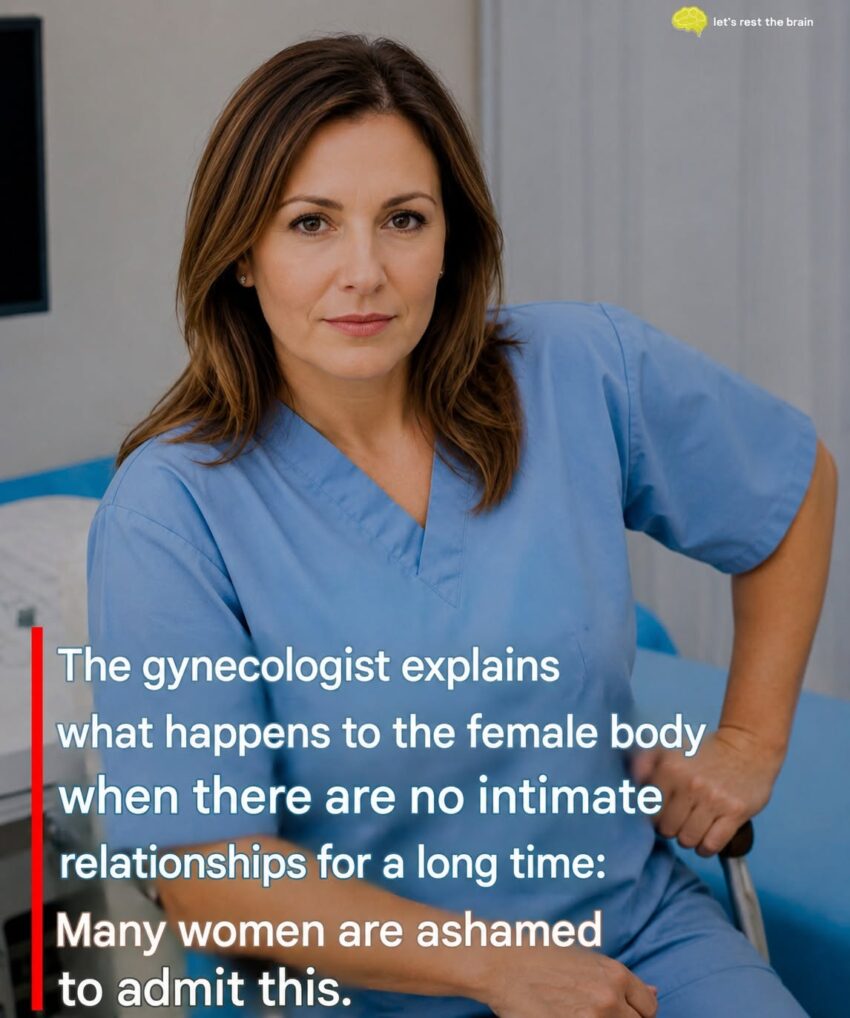
What really happens to a woman’s body after a long period without sexual intimacy? Learn about possible changes in libido, vaginal comfort, mood, arousal, and when symptoms may need medical attention.
There are many myths about what happens to a woman’s body when she goes for a long time without sexual intimacy. Some claims suggest that the body “changes,” becomes unhealthy, or stops functioning normally.
The reality is much less dramatic.
A period without sex is not inherently harmful to the female body. Women can go for long periods without sexual activity without damaging their reproductive organs. However, some women may notice changes in sexual desire, arousal, vaginal comfort, or emotional well-being.
These changes can have many causes, including hormones, stress, medications, relationship circumstances, pregnancy, breastfeeding, menopause, sleep, and general health.
1. Sexual Desire May Change
Some women notice that their interest in sex decreases when they have not been sexually active for a long time.
For others, the opposite happens—they may continue to have the same level of desire or even experience increased sexual interest.
There is no single “normal” response.
2. Arousal May Take Longer
After a long period without sexual activity, some women may feel that becoming mentally or physically aroused takes more time.
This does not mean that the body has forgotten how to respond. Comfort, relaxation, emotional connection, hormones, and stimulation can all influence arousal.
3. Vaginal Dryness Can Occur
Vaginal dryness is not simply caused by “not having sex.”
Hormonal changes are a much more important factor. Low estrogen levels, breastfeeding, perimenopause, menopause, certain medications, stress, and some medical conditions can contribute to dryness.
When sexual activity resumes, adequate arousal and a suitable lubricant may help improve comfort.
4. Sex May Feel Uncomfortable at First
If someone has not had sexual activity for a long time, the first experience afterward may feel different.
Tension, insufficient arousal, vaginal dryness, anxiety, or rushing can contribute to discomfort.
Pain should not simply be accepted as something a woman has to tolerate. Persistent or significant pain during sex should be discussed with a gynecologist or other qualified healthcare professional.
5. Emotional Feelings Can Change
Intimacy isn’t only physical.
Some women may miss affection, closeness, touch, or emotional connection. Others may feel completely comfortable without sexual activity.
There is no required emotional response to a period of abstinence.
6. Stress and Relationship Factors Can Influence Desire
Stress, conflict, exhaustion, poor sleep, anxiety, and relationship difficulties can all affect sexual desire.
Sometimes a woman may assume that her low libido is caused by a lack of intimacy, when the underlying factor is actually stress or another aspect of her physical or emotional health.
7. Hormonal Changes Matter
Hormones can have a major influence on sexual function.
Pregnancy, the postpartum period, breastfeeding, perimenopause, and menopause can all change libido, vaginal moisture, and sexual comfort.
This is one reason two women can have completely different experiences during a period without sexual intimacy.
8. There Is No “Buildup” of Harmful Substances
A common misconception is that avoiding sex causes something harmful to accumulate inside the female reproductive system.
This is not how the reproductive system works.
Not having sex does not cause toxins, old blood, or harmful fluids to build up in the uterus or vagina.
9. Fertility Does Not Simply Disappear
Going without sex does not make a woman infertile.
Fertility is influenced by factors such as age, ovulation, ovarian reserve, reproductive health, hormones, and other medical conditions—not by how frequently someone has sexual intercourse.
Of course, pregnancy cannot occur through intercourse if intercourse isn’t happening, but abstinence itself does not permanently damage fertility.
10. Vaginal Muscles Do Not Simply “Close Up”
Another common myth is that the vagina permanently becomes closed or unusable after a long period without sex.
This is not true.
The vagina is an elastic muscular structure. Temporary tightness or discomfort can occur because of anxiety, pelvic-floor muscle tension, insufficient arousal, dryness, or certain medical conditions, but the vagina does not simply seal shut because someone hasn’t had sex.
11. Intimacy Is Not a Requirement for Being Healthy
A woman does not need sexual intercourse to keep her body healthy.
Exercise, nutritious food, adequate sleep, stress management, preventive healthcare, and healthy relationships are all important aspects of overall well-being.
Sexual activity can be a positive part of life for people who want it, but there is no medically required frequency of intercourse that every woman must follow.
When Should a Woman Talk to a Doctor?
A change in sexual activity itself usually isn’t a medical problem. However, certain symptoms deserve attention.
Consider speaking with a healthcare professional if you experience:
- Persistent vaginal dryness
- Repeated pain during intercourse
- Unexpected vaginal bleeding
- Unusual discharge or odor
- Persistent pelvic pain
- A sudden and unexplained change in libido
- Significant discomfort when attempting intimacy
- Symptoms associated with menopause or hormonal changes
These symptoms can have many causes, and proper evaluation is more useful than assuming they are simply due to a long period without intimacy.
The Bottom Line
A long period without sexual intimacy does not automatically harm a woman’s body. Some women may notice changes in desire, arousal, vaginal comfort, or emotions, while others notice virtually no difference.
Most importantly, women should not feel ashamed about periods of abstinence or changes in sexual desire. Bodies and circumstances vary, and there is no universal timeline for intimacy.
If physical symptoms such as pain, dryness, bleeding, or persistent pelvic discomfort occur, a gynecologist can help identify the actual cause rather than attributing everything to a lack of sex.