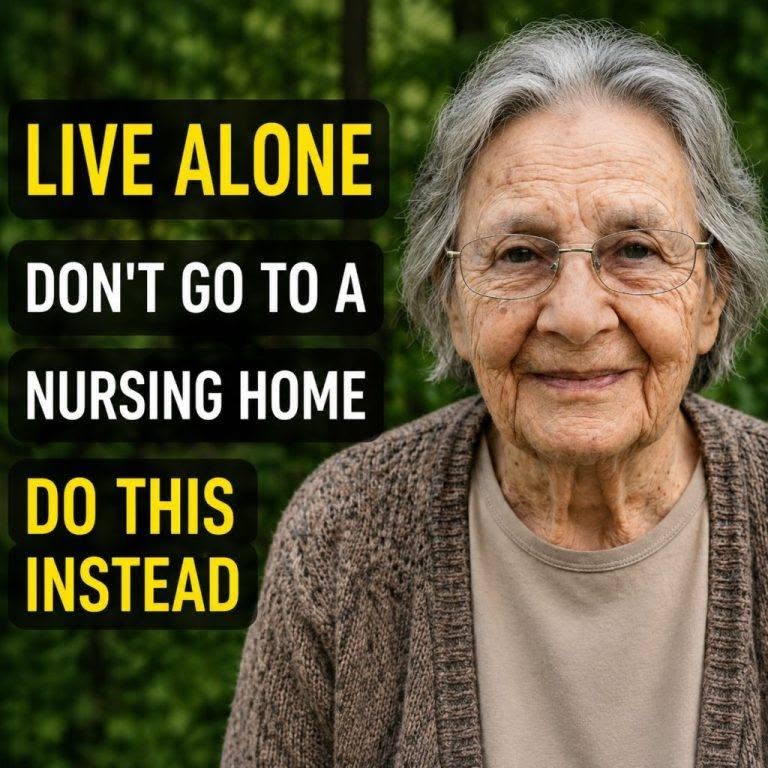
Reaching your 80s does not automatically mean you need to move into a nursing home. Many older adults want to remain as independent as possible while recognizing that living completely alone may no longer be safe or practical.
Fortunately, a nursing home is not the only option. Depending on your health, mobility, finances, and how much help you need, there are several alternatives that can provide support while allowing you to maintain privacy, comfort, and independence.
1. Assisted Living
Assisted living can be a good middle ground for someone who can still do many things independently but needs help with certain daily activities.
Residents typically have their own apartment or room while receiving assistance with tasks such as:
- Bathing and dressing
- Taking medications
- Preparing meals
- Housekeeping
- Transportation
- Personal care
Many assisted-living communities also provide social activities and communal dining, which can help reduce loneliness.
2. Living With Family
Moving in with an adult child or another relative can be a practical alternative to institutional care.
However, it is important to discuss expectations beforehand. Talk about privacy, meals, medications, household responsibilities, transportation, and what happens if care needs increase.
A family arrangement works best when everyone understands their responsibilities rather than assuming that one person will handle everything.
3. In-Home Care
If the home itself is safe and accessible, professional caregivers may allow an older adult to remain at home.
Depending on the service, a caregiver might help with bathing, dressing, meals, light housekeeping, shopping, transportation, or companionship.
Care can sometimes be arranged for only a few hours a day rather than around the clock.
4. Adult Day Care
Adult day programs can be useful for seniors who should not remain alone throughout the day but do not need residential care.
A person can spend several hours at a center participating in activities, eating meals, socializing, and receiving appropriate supervision before returning home.
This can also give family caregivers a much-needed break.
5. Independent Living Communities
Independent living communities are designed for older adults who are generally able to care for themselves but want a safer and more social environment.
They may offer:
- Maintenance-free housing
- Meals
- Transportation
- Social activities
- Exercise programs
- Community spaces
Some communities also have different levels of care available if residents eventually need more assistance.
6. Moving Closer to Family
You may not need to live in the same house as your children to receive more support.
Moving into a nearby apartment, senior community, or accessible home can make it easier for family members to check in regularly while allowing you to maintain your own space.
For some people, this is the ideal balance between independence and safety.
7. A Combination of Services
Care does not always have to come from one source.
For example, someone might live at home, have a caregiver visit in the morning, receive prepared meals, attend an adult day program several days a week, and have family members check in regularly.
Combining several smaller supports can sometimes delay or prevent the need for residential care.
Make the Home Safer
If living alone is becoming difficult, the first step may be modifying the home.
Simple changes can make everyday activities safer:
- Install grab bars in the bathroom.
- Improve lighting, especially around stairs.
- Remove loose rugs and other tripping hazards.
- Keep frequently used items within easy reach.
- Consider a walk-in shower or shower chair.
- Add handrails where needed.
- Keep emergency numbers easily accessible.
A medical alert device or phone that can be reached easily can also provide additional reassurance.
Know When More Help Is Needed
Independence is valuable, but safety comes first.
It may be time to consider additional assistance if you are frequently falling, forgetting medications, becoming confused, struggling to prepare food, having difficulty bathing, leaving appliances on, or finding it increasingly difficult to manage basic household tasks.
These changes do not automatically mean you need a nursing home. They simply indicate that your current level of support may no longer be enough.
Talk About the Plan Before There Is an Emergency
One of the best things an older adult can do is discuss future care preferences while they are still able to make decisions comfortably.
Talk with trusted family members, healthcare professionals, and financial advisers about:
- Where you would prefer to live
- What kind of help you would accept
- Who could assist you
- How care would be paid for
- What should happen if your health changes
Planning ahead gives you more control and can reduce stress for everyone later.
The Goal Is Safe Independence
At 83, needing some help does not mean giving up your independence.
The goal is to find the least restrictive level of support that keeps you safe and gives you a good quality of life. For one person, that might mean a few hours of home care. For another, assisted living or living with family may be more appropriate.
There is no single solution that works for every older adult. The right choice depends on your abilities, preferences, finances, health needs, and available support.
Most importantly, needing help with certain tasks does not mean you have failed at living independently. Sometimes accepting the right support is exactly what allows you to remain independent for longer.