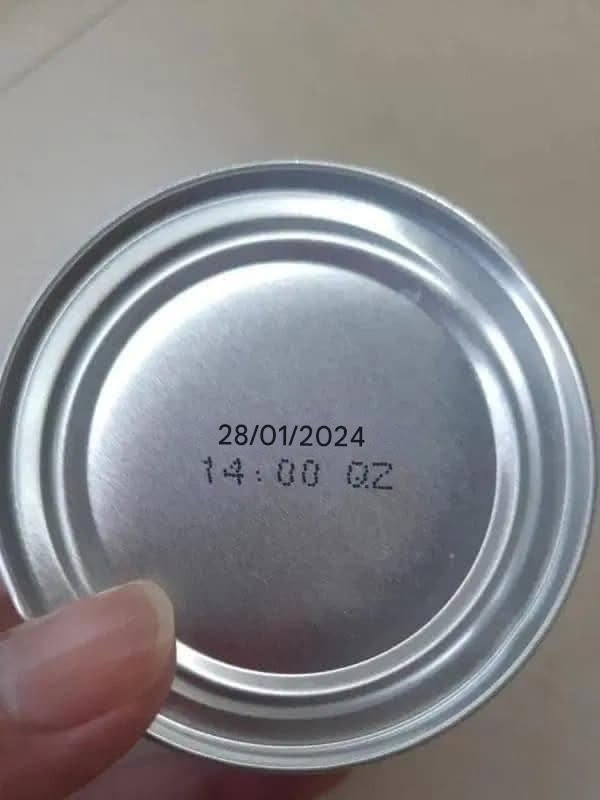
Finding an old can of beans, soup, vegetables, fruit, or meat in the pantry can immediately raise one question: Is it still safe to eat?
The answer is not always as simple as looking at the date printed on the can. In many cases, the date on a canned food product is related to quality rather than an exact safety deadline. However, that does not mean every expired can is safe to eat.
The condition of the can, the type of food inside it, how it was stored, and the meaning of the printed date all matter.
What Does the Date on a Can Actually Mean?
Canned foods may have different types of dates or wording on their labels.
You might see phrases such as:
- “Best by”
- “Best before”
- “Use by”
- “Sell by”
- A coded manufacturing date
A “best by” or “best before” date generally indicates when the manufacturer expects the product to have its best flavor, texture, or overall quality.
It does not necessarily mean the food becomes dangerous immediately after midnight on that date.
However, a use-by date can have a different safety meaning, depending on the food and local labeling regulations.
This is why it is important not to treat every date printed on a can in exactly the same way.
How Long Can Canned Food Last After the Date?
Properly processed and undamaged commercially canned foods can remain safe for a considerable period beyond a quality date when they have been stored correctly.
For many low-acid canned foods, such as:
- Beans
- Corn
- Peas
- Carrots
- Meat
- Fish
- Soups
the quality may remain acceptable for years when the cans are properly sealed and stored under suitable conditions.
High-acid canned foods, such as:
- Tomatoes
- Pineapple
- Peaches
- Other canned fruits
generally have a shorter recommended storage period for best quality.
The important point is that there is no single number of months or years that guarantees safety after the printed date.
A can that is two months past a quality date may be perfectly fine, while another can that is only a few weeks past its date may be unsafe if it is damaged or improperly stored.
The Can Itself Matters More Than the Date
Before opening an old can, inspect it carefully.
1. Is the Can Bulging?
A swollen or bulging can is a major warning sign.
Do not open or taste food from a can that appears swollen.
Bulging can indicate gas production caused by microbial activity, and potentially dangerous bacteria can sometimes be involved.
2. Is the Can Leaking?
A leaking can should be discarded.
Even a small leak can mean that the protective seal has been compromised, allowing microorganisms to enter.
3. Is There Heavy Rust?
A little surface rust may not automatically mean the food is unsafe, particularly if the rust is superficial.
However, cans with deep rust, extensive corrosion, or rust that has penetrated the metal should not be used.
4. Is the Can Severely Dented?
A small cosmetic dent is not necessarily a problem.
But avoid cans with deep dents, especially dents near:
- Seams
- Ends of the can
- Areas where the lid joins the body
A severe dent can damage the seal and increase the risk of contamination.
5. Is the Lid or Bottom Swollen?
A raised or swollen top or bottom is another important warning sign.
Do not assume that cooking the contents will make a suspicious can safe.
What If the Can Looks Completely Normal?
If the can is commercially processed, unopened, properly stored, and only past a quality-related date, the food may still be usable.
After opening it, however, don’t rely solely on appearance.
Check for unusual:
- Odors
- Colors
- Textures
- Foaming
- Bubbling
- Unexpected liquid pressure
If something looks or smells seriously abnormal, throw it away.
But there is an important safety rule: never taste suspicious canned food just to determine whether it is safe.
Some dangerous microorganisms can produce toxins without making food obviously smell or taste spoiled.
Does Cooking Make an Expired Can Safe?
Not necessarily.
Heating food can destroy many microorganisms, but it does not mean that every potentially dangerous toxin or contamination problem will be eliminated.
Therefore, cooking should not be used as a way to rescue a damaged, swollen, leaking, or otherwise suspicious can.
If the container itself shows signs that something may have gone wrong, the safest choice is disposal.
What About Home-Canned Food?
This is a different situation.
Home-canned foods require considerably more caution because safety depends heavily on:
- The recipe
- Acidity
- Pressure-canning or water-bath method
- Processing time
- Equipment
- Storage conditions
- Whether the correct preservation method was used
Low-acid foods such as vegetables, meats, poultry, and seafood are particularly important because improper home canning can allow Clostridium botulinum to grow and produce botulinum toxin.
Do not use the same storage assumptions for home-canned food that you might use for commercially manufactured cans.
How Should Canned Food Be Stored?
Proper storage can help preserve both quality and safety.
Keep unopened cans in a place that is:
- Cool
- Dry
- Clean
- Away from direct sunlight
- Away from excessive heat
- Protected from moisture
Avoid storing cans in places where temperatures fluctuate dramatically.
Heat can gradually reduce food quality, and moisture can contribute to corrosion of the can.
What Happens to Canned Food as It Gets Older?
Even when an old can remains safe, its quality can gradually decline.
Over time, you may notice:
- Softer vegetables
- Changes in texture
- Less vibrant color
- Reduced flavor
- Separation of ingredients
- Changes in consistency
These changes do not automatically mean the food is dangerous.
They may simply indicate that the product is no longer at its best quality.
Should You Throw Away Every Can Past Its Date?
Not necessarily.
If a commercially canned product is past a best-before or best-by date, the date alone does not automatically mean it must be thrown away.
Instead, consider:
- What type of date is printed on the package?
- Is the can commercially or home canned?
- Has it been stored properly?
- Is the can intact?
- Is there swelling, leaking, severe rust, or serious damage?
- Does the food show anything unusual after opening?
When in doubt—especially with a damaged can—the safest option is to discard it.
A Simple Rule to Remember
The easiest way to think about old canned food is:
The printed date is important, but the condition of the can is critical.
A normal-looking can that is past a quality date is not automatically unsafe. On the other hand, a can that is bulging, leaking, badly rusted, or severely damaged should not be eaten simply because its printed date has not passed.
And never taste food from a questionable can to “test” it.
Final Takeaway
An expired canned food product does not automatically become unsafe the moment the date passes. Many commercially canned foods can remain usable beyond a best-by or best-before date, particularly when unopened and stored correctly.
However, there is no universal rule saying that every canned food is safe for a specific number of years after its date.
When the can is damaged, swollen, leaking, severely corroded, or otherwise suspicious, don’t take the risk—throw it away.
When dealing with old canned food, safety should always come before saving a few dollars’ worth of food.
Meta Description
Wondering how long expired canned food is safe to eat? Learn what canned-food dates mean, how long quality may last, and which damaged cans should always be thrown away.