Discover some of the best everyday foods for supporting your brain, heart, eyes, bones, muscles, gut, skin, liver, kidneys, and immune system—and learn how to build a simple, balanced daily diet.
There is no single “miracle food” that can keep every part of the body healthy. Your body works as one interconnected system, and different organs need different nutrients to function properly.
The good news is that many ordinary foods—eggs, berries, leafy greens, yogurt, fish, nuts, beans, whole grains and colorful vegetables—can provide the vitamins, minerals, protein, fiber and healthy fats your body needs every day.
Here is a practical guide to foods that are especially beneficial for different parts of the body.
1. Brain — Fatty Fish, Eggs and Berries
Your brain needs healthy fats, protein, antioxidants and a steady supply of energy.
Good choices include:
- Salmon, sardines and other oily fish
- Eggs
- Blueberries and other berries
- Walnuts
- Oats
- Leafy green vegetables
Fatty fish provides omega-3 fats, including DHA, which is an important component of brain cell membranes. Berries and leafy greens provide antioxidants and other plant compounds that can support overall brain health.
2. Heart — Oats, Beans, Nuts and Fish
A heart-friendly eating pattern focuses on fiber, unsaturated fats, vegetables and minimally processed foods.
Try adding:
- Oatmeal
- Beans and lentils
- Almonds and walnuts
- Olive oil
- Avocado
- Fatty fish
- Vegetables and fruit
Soluble fiber from oats and beans can help support healthy cholesterol levels, while replacing some saturated fats with unsaturated fats can benefit cardiovascular health.
3. Eyes — Carrots, Spinach and Eggs
Carrots are famous for eye health, but they are not the only useful food.
Excellent choices include:
- Spinach
- Kale
- Carrots
- Eggs
- Sweet potatoes
- Bell peppers
- Citrus fruits
Leafy greens contain lutein and zeaxanthin, carotenoids that accumulate in the retina. Orange and yellow vegetables provide carotenoids such as beta-carotene, which the body can convert into vitamin A.
4. Bones — Yogurt, Milk, Sardines and Greens
Bones require more than calcium. Vitamin D, protein, magnesium, vitamin K and other nutrients also contribute to maintaining healthy bones.
Good foods include:
- Yogurt
- Milk
- Sardines with bones
- Calcium-fortified foods
- Leafy greens
- Beans
- Almonds
If you do not consume dairy, calcium-fortified alternatives can be useful.
5. Muscles — Eggs, Chicken, Fish, Beans and Yogurt
Muscles need adequate protein, but protein works best as part of an overall nutritious diet.
Useful protein sources include:
- Eggs
- Chicken
- Fish
- Greek yogurt
- Milk
- Lentils
- Chickpeas
- Beans
- Nuts and seeds
Instead of relying on one large protein-heavy meal, distributing protein throughout the day can make it easier to meet your needs.
6. Gut — Yogurt, Kefir, Beans and Fiber-Rich Foods
Your digestive system benefits from a variety of plant foods and adequate fiber.
Try:
- Yogurt with live cultures
- Kefir
- Oats
- Lentils
- Beans
- Apples
- Pears
- Vegetables
- Whole grains
Fiber helps support regular bowel movements and also serves as fuel for beneficial gut microbes.
Increase fiber gradually and drink enough fluids, particularly if your current diet is low in fiber.
7. Skin — Fatty Fish, Nuts, Seeds and Colorful Vegetables
Healthy skin needs adequate protein, essential fats, vitamins and minerals.
Helpful foods include:
- Salmon and sardines
- Walnuts
- Chia seeds
- Sunflower seeds
- Avocado
- Tomatoes
- Citrus fruits
- Berries
- Bell peppers
Vitamin C-rich foods are particularly useful because vitamin C is required for collagen production.
8. Liver — Vegetables, Beans, Whole Grains and Coffee
The liver performs hundreds of important functions, including processing nutrients and helping remove waste products from the blood.
Rather than looking for a “liver detox” drink, focus on an overall healthy eating pattern.
Good choices include:
- Leafy greens
- Broccoli
- Beans
- Lentils
- Whole grains
- Nuts
- Fish
- Coffee, for people who tolerate it
Reducing excessive alcohol, added sugars and highly processed foods is generally more useful than relying on detox products.
9. Kidneys — Water, Vegetables and Balanced Foods
The kidneys help regulate fluid balance and filter waste from the blood.
For generally healthy adults, adequate hydration is important, along with a balanced diet that does not rely heavily on ultra-processed foods.
Good everyday choices can include:
- Water
- Fruits
- Vegetables
- Whole grains
- Beans
- Fish
- Unsalted nuts
However, people with kidney disease may need specific restrictions on sodium, potassium, phosphorus, protein or fluids. Their diet should be individualized by a healthcare professional.
10. Immune System — Citrus Fruits, Berries, Eggs and Yogurt
No food can “boost” immunity overnight, but adequate nutrition supports normal immune function.
Useful foods include:
- Oranges
- Guava
- Kiwi
- Berries
- Bell peppers
- Eggs
- Yogurt
- Beans
- Nuts and seeds
Vitamin C, vitamin A, zinc, selenium and protein all play roles in normal immune function.
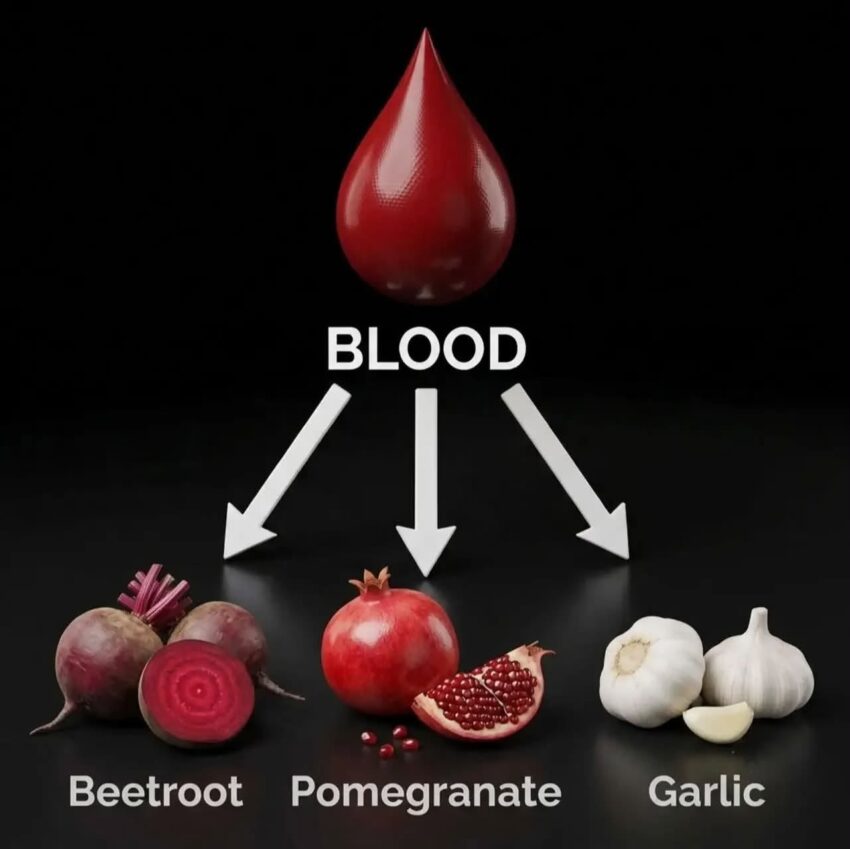
11. Blood — Lentils, Beans, Meat, Eggs and Leafy Greens
Your body needs iron, folate, vitamin B12 and protein to produce healthy blood cells.
Good sources include:
- Lentils
- Beans
- Spinach
- Eggs
- Meat
- Fish
- Fortified cereals
Plant-based iron is absorbed better when eaten with vitamin C-rich foods. For example, try lentils with tomatoes or bell peppers.
12. Teeth and Gums — Dairy, Crunchy Vegetables and Vitamin-C Foods
Teeth and gums benefit from adequate calcium, phosphorus, protein and vitamin C.
Consider:
- Milk
- Yogurt
- Cheese
- Leafy greens
- Apples
- Carrots
- Bell peppers
- Citrus fruits
Of course, food cannot replace brushing, flossing and regular dental care.
13. Thyroid — Seafood, Eggs and Dairy
The thyroid requires several nutrients, including iodine and selenium.
Food sources include:
- Seafood
- Eggs
- Dairy products
- Brazil nuts
- Meat
More is not necessarily better. Excessive iodine supplementation can actually cause thyroid problems, so supplements should not be taken unnecessarily.
14. Blood Sugar Control — Beans, Oats, Vegetables and Whole Fruit
For people trying to maintain healthy blood glucose, the quality and combination of meals matter.
Better everyday choices include:
- Beans
- Lentils
- Oats
- Whole grains
- Non-starchy vegetables
- Nuts
- Seeds
- Whole fruits
Pairing carbohydrates with protein, fiber or healthy fats can make meals more filling and may help reduce rapid blood-sugar spikes.
15. The Best Food for Overall Health — Variety
If you had to choose one principle rather than one food, variety would be the winner.
A healthy daily plate can include:
Protein: eggs, fish, chicken, beans or yogurt
Vegetables: leafy greens, carrots, tomatoes, broccoli or peppers
Fruit: berries, apples, oranges, guava or bananas
Whole grains: oats, brown rice or whole-grain bread
Healthy fats: walnuts, almonds, seeds or olive oil
Fluids: primarily water
A Simple Daily Combination
You do not need expensive superfoods to create a nutrient-rich diet.
For example:
Breakfast: Eggs + oats or whole-grain bread + fruit
Lunch: Lentils or chicken + vegetables + brown rice/whole-grain roti
Snack: Yogurt + fruit + a small handful of nuts
Dinner: Fish/beans/chicken + vegetables + a whole grain
Throughout the day: Water according to thirst and individual needs.
Final Takeaway
There isn’t one food that is the healthiest for every organ. The strongest approach is to eat a wide variety of minimally processed foods so your body receives different nutrients from different sources.
If you regularly include leafy greens, colorful fruits and vegetables, legumes, whole grains, eggs, fish or other quality protein, yogurt or another calcium-rich food, nuts and seeds, you can create a diet that supports the brain, heart, eyes, bones, muscles, gut, skin, liver and immune system at the same time.
The goal isn’t perfection. A nutritious pattern repeated consistently is far more valuable than searching for a single miracle food.