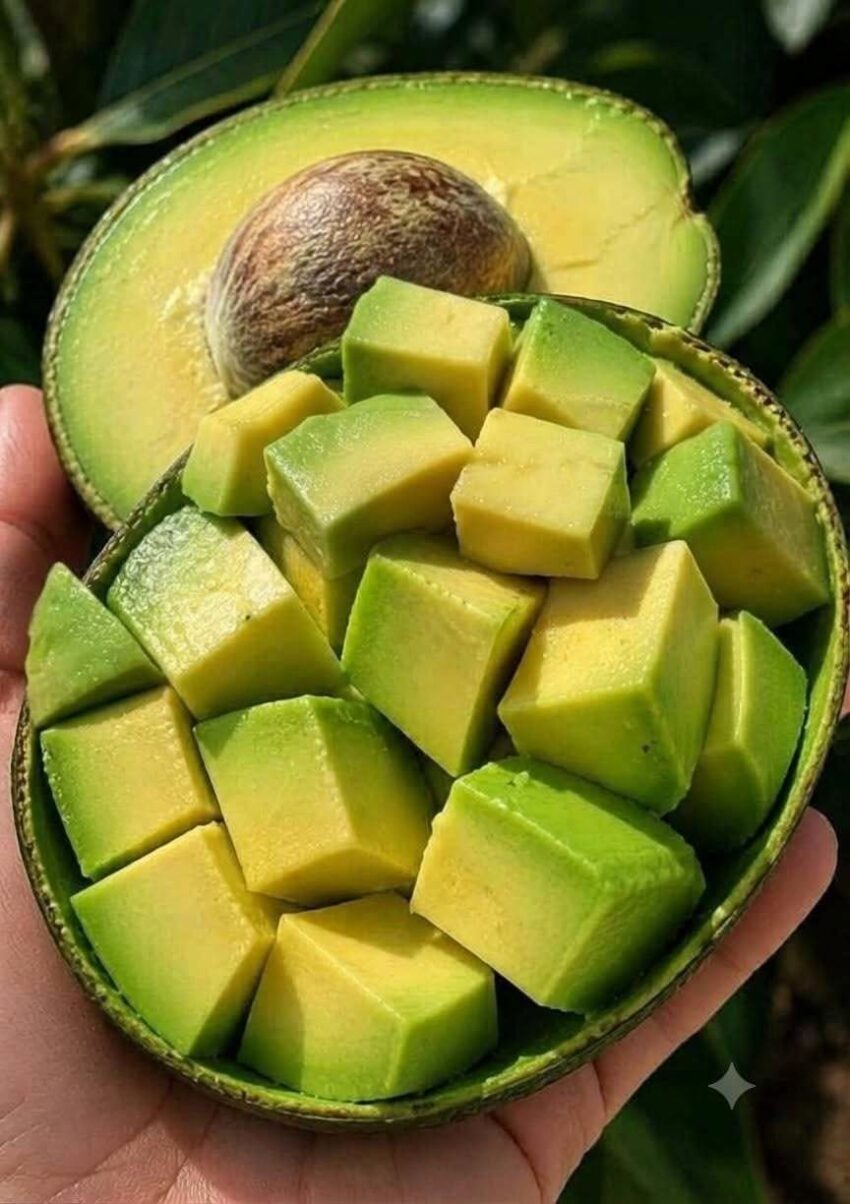
Avocados are rich in healthy fats, fiber and essential nutrients, but the way you eat them can affect calories, digestion and overall nutrition. Here’s how to enjoy avocado wisely.
Avocados have earned a reputation as one of the healthiest foods you can add to your diet. They are creamy, filling and naturally rich in monounsaturated fats, fiber, potassium and several vitamins and minerals.
But there is an important detail that often gets overlooked: an avocado can be healthy while the way you eat it may not always be.
That does not mean you need to stop eating avocados. Instead, it means paying attention to portion size, toppings, preparation methods and what you are eating alongside them.
Avocados Are Nutrient-Dense—but Also Calorie-Dense
One of the biggest things to remember about avocados is that they contain a substantial amount of fat.
Most of that fat is unsaturated fat, which is considered a healthier type of dietary fat. However, fat contains more calories per gram than carbohydrates or protein.
This means eating large amounts of avocado can add significant calories to your diet even though the food itself is nutritious.
For many people, a serving of about one-third of a medium avocado can fit easily into a balanced meal.
The problem is not the avocado itself. The issue is assuming that because a food is healthy, unlimited amounts are automatically better.
1. Eating an Entire Avocado May Not Be Necessary
If you love avocado, it can be tempting to eat an entire fruit at once.
For someone with higher calorie needs, that may occasionally fit into their diet. But if you are trying to manage your weight, eating a large amount every day can make it easier to consume more calories than you realize.
A practical approach is to use avocado as one source of healthy fat, rather than adding it on top of several other high-fat foods.
For example, avocado toast topped with cheese, mayonnaise and a large amount of nuts can become much more calorie-dense than expected.
2. Be Careful About What You Add to Avocado
Avocado itself does not need much help to taste good.
However, some popular avocado dishes contain additional ingredients that can substantially change the nutritional profile.
Consider guacamole.
Avocado, tomato, onion, cilantro and lime can make a nutrient-rich combination. But adding large amounts of sour cream, cheese or salty packaged ingredients can increase calories and sodium.
Similarly, avocado toast can be nutritious, but the overall meal depends on the bread, toppings and portion size.
3. Avocado Fries Aren’t the Same as Fresh Avocado
Fresh avocado and deep-fried avocado are very different foods from a nutritional perspective.
Coating avocado in breadcrumbs and frying it in oil adds additional fat and calories.
That doesn’t mean you can never enjoy avocado fries. It simply means they should not be confused with the nutritional profile of fresh avocado.
If you want a warm avocado dish, baking or air-frying can be an alternative to deep-frying.
4. Your Digestive System May Not Love Large Amounts
Avocados contain fiber, which is beneficial for digestive health.
But suddenly eating a large amount of high-fiber food can cause problems for some people, particularly if their usual diet is low in fiber.
Possible symptoms include:
- Bloating
- Gas
- Abdominal discomfort
- Changes in bowel movements
If avocado seems to upset your stomach, try a smaller portion and increase fiber gradually rather than eating a large amount at once.
5. Don’t Assume Avocado Alone Makes a Meal Healthy
Avocado provides healthy fats and fiber, but it does not provide everything your body needs.
A meal based almost entirely on avocado may be lacking adequate protein and other nutrients.
Instead, combine it with foods such as:
- Eggs
- Beans
- Lentils
- Chicken
- Fish
- Greek yogurt
- Whole grains
- Colorful vegetables
For example, avocado with eggs and whole-grain toast can create a much more balanced breakfast than avocado alone.
6. Avocado Can Be a Great Replacement for Less-Healthy Fats
One of the best ways to use avocado is not simply to add it to your diet, but to replace another source of fat with it.
For example, mashed avocado can sometimes replace butter or mayonnaise in a sandwich.
This approach makes more nutritional sense than adding avocado to a meal that already contains plenty of calorie-dense fats.
The goal is substitution rather than endless addition.
7. Pay Attention to Portion Size If You’re Watching Your Weight
Healthy foods still contain calories.
If you are trying to lose or maintain weight, portion awareness is important.
A useful strategy is to slice a portion of avocado rather than eating directly from the fruit.
You can then combine it with vegetables, lean protein and whole grains to make the meal more satisfying.
Because avocado contains both fat and fiber, a moderate portion can help make a meal more filling.
8. People With Certain Kidney Conditions May Need Individual Advice
Avocados are a source of potassium.
For most healthy people, dietary potassium is an important nutrient and is not something that needs to be avoided.
However, people with certain forms of kidney disease may be advised to limit potassium depending on their individual blood tests and treatment plan.
If you have kidney disease or have been specifically told to follow a low-potassium diet, don’t assume that an otherwise healthy food is automatically appropriate in unlimited amounts.
Follow the dietary guidance provided by your healthcare professional.
9. Don’t Confuse Avocado Oil With Unlimited Healthy Eating
Avocado oil is another popular product, and it can be a useful source of unsaturated fat.
But oil is highly concentrated. Unlike whole avocado, it contains little to no fiber and is easy to consume in large quantities.
A drizzle may be enough.
Using several tablespoons of oil in addition to avocado can dramatically increase the calorie content of a meal.
10. Choose the Whole Fruit More Often
When possible, whole avocado has an advantage over processed avocado-based products because you get its natural fiber along with its fats and micronutrients.
A simple serving can be added to:
- Salads
- Whole-grain toast
- Eggs
- Bean bowls
- Vegetable wraps
- Grain bowls
- Homemade guacamole
This makes it easier to enjoy avocado without turning it into an ultra-calorie-dense food.
What Is the Healthiest Way to Eat an Avocado?
For most people, the simplest answer is also one of the best:
Eat a moderate portion of fresh avocado as part of a balanced meal.
Try combining it with:
Healthy protein: eggs, beans, fish or chicken
High-fiber carbohydrates: oats, whole-grain bread or brown rice
Vegetables: tomatoes, spinach, cucumber, peppers or leafy greens
Healthy flavor: lemon or lime juice, herbs and spices
This gives you a combination of protein, fiber, carbohydrates and healthy fats rather than relying on one food.
A Simple Avocado Meal
For breakfast, try:
Whole-grain toast + mashed avocado + boiled egg + tomato
For lunch:
Beans + avocado + lettuce + cucumber + tomato + whole-grain tortilla
For a snack:
A small portion of avocado with vegetables or whole-grain crackers
These combinations provide more nutritional variety than simply eating a large amount of avocado by itself.
The Bottom Line
You don’t need to be afraid of avocados.
They can be an excellent addition to a balanced diet because they provide unsaturated fats, fiber and important nutrients.
The real lesson is that healthy doesn’t mean unlimited.
Pay attention to portion size, avoid turning avocado into a deep-fried food, be mindful of high-calorie toppings and consider what the avocado is replacing in your meal.
For most healthy adults, enjoying a moderate amount of fresh avocado as part of a varied diet can be a nutritious choice.
The avocado isn’t necessarily the problem.
How much you eat, how you prepare it and what you eat with it can make the bigger difference.