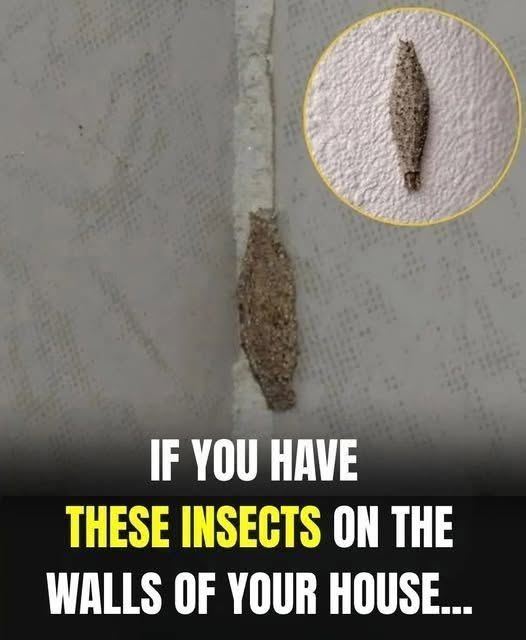
Finding small bag-like insects or cases inside your home? Learn where bagworms and case-bearing moth larvae commonly hide, why they appear indoors, and the simple steps that can help get rid of them.
Finding a strange little case crawling across a wall, ceiling, curtain, or floor can be surprisingly unsettling. If it looks like a tiny piece of lint, dried leaf, or dust moving by itself, you may be dealing with a case-bearing moth larva, sometimes casually called a “bagworm.”
These small creatures can be easy to overlook because they camouflage themselves with materials from their surroundings. They may look harmless—and often are—but finding several around your home can be a sign that there is a suitable food source or hiding place nearby.
Here are the places you should check first.
1. Closets and Dark Storage Areas
Closets are among the first places worth inspecting.
Larvae can hide around:
- Clothing
- Stored blankets
- Old fabrics
- Boxes
- Shoes
- Curtains
- Bags
- Dusty corners
Pay particular attention to areas that aren’t disturbed regularly.
A closet that stays dark, humid, and undisturbed provides a much better environment for insects than a frequently cleaned and ventilated area.
2. Behind Furniture
Small larvae and their cases can easily disappear behind furniture.
Check behind:
- Wardrobes
- Beds
- Sofas
- Cabinets
- Bookcases
- Dressers
Dust and hair often accumulate underneath and behind furniture. Some case-bearing larvae use bits of dust, hair, fibers, and other debris to construct or camouflage their protective cases.
3. Along Walls and Baseboards
If you notice small cases crawling slowly across a wall, don’t assume that’s where they started.
They may be moving from one area to another.
Inspect the edges where the wall meets the floor, especially around baseboards and corners. These areas can collect dust, pet hair, spider webs, and other organic debris.
4. Ceilings and Corners
Another surprising location is the ceiling.
You may notice small cases attached to:
- Ceiling corners
- Wall-ceiling junctions
- Around light fixtures
- Near vents
- Behind curtains
These insects aren’t necessarily attracted to the ceiling itself. They may simply be looking for a protected location where they can remain undisturbed.
5. Under Beds and Other Furniture
Under-bed areas are often overlooked during normal cleaning.
They can accumulate dust, hair, dead insects, and textile fibers—all potential materials for case-building larvae.
If you’re finding several cases in a bedroom, move the bed or furniture and vacuum underneath it thoroughly.
6. Bathrooms
Bathrooms can occasionally provide favorable conditions because of their humidity.
Check:
- Behind the toilet
- Around bathroom cabinets
- Under sinks
- Behind storage containers
- Along baseboards
- Around floor drains
Humidity alone doesn’t necessarily mean you have an infestation, but consistently damp conditions can make some indoor pest problems more likely.
7. Curtains and Window Areas
Curtains can provide both shelter and food sources for certain fabric-feeding insects.
Inspect the folds, hems, and areas behind curtains.
Also check window corners and nearby walls, particularly if you frequently notice small insects or cases in the same area.
8. Around Spider Webs
This is an especially important place to inspect.
Accumulated spider webs can contain dead insects and other organic material. Some case-bearing larvae can feed on the debris associated with these areas.
If you have dusty, neglected spider webs around ceilings or corners, cleaning them can remove a potential food source.
9. Carpets and Rugs
Carpets collect enormous amounts of microscopic debris.
Look around:
- Carpet edges
- Under rugs
- Beneath furniture
- Along walls
- Around rarely moved objects
Vacuuming regularly can help remove larvae, cases, eggs, dust, hair, and potential food sources.
10. Why Are They Coming Inside?
In many cases, seeing one or two doesn’t mean your house is heavily infested.
Small case-bearing insects can enter homes accidentally or find their way indoors through openings around doors, windows, vents, or other gaps.
Once inside, they may remain if they find suitable conditions.
The important question isn’t only “Where are the insects?”
It’s also:
“What are they finding here that allows them to stay?”
Dust, humidity, dead insects, hair, spider webs, and natural fibers can all contribute to a suitable indoor environment.
How to Get Rid of Them
You usually don’t need to start by spraying the entire house with insecticide.
Instead, begin with a thorough cleanup.
Step 1: Remove Visible Cases
Pick up visible cases with tissue or a vacuum cleaner and dispose of them.
If you’re using a vacuum, empty the contents promptly so anything collected doesn’t remain inside the machine.
Step 2: Vacuum Thoroughly
Concentrate on:
- Baseboards
- Corners
- Under furniture
- Closets
- Carpet edges
- Curtains
- Behind cabinets
Don’t forget areas that are normally ignored during routine cleaning.
Step 3: Remove Spider Webs
Clean old webs from ceilings, corners, windows, and behind furniture.
This removes potential food and shelter materials.
Step 4: Reduce Humidity
If the room is consistently damp, improve ventilation and allow wet areas to dry properly.
Bathrooms should have adequate ventilation, particularly after showers.
Step 5: Wash or Clean Stored Fabrics
If you find cases around clothing, blankets, or curtains, inspect those materials carefully and clean them according to their care instructions.
Step 6: Seal Entry Points
Check window screens, door gaps, vents, and cracks around the building.
Reducing insect entry can help prevent recurring problems.
When Should You Be Concerned?
One or two cases occasionally appearing indoors usually isn’t a reason to panic.
However, if you repeatedly find large numbers of larvae or cases, especially in multiple rooms, it’s worth investigating the source more carefully.
You may be dealing with a different species of household pest, such as clothes moth larvae or another case-bearing insect.
Correct identification matters because different insects have different food sources and control methods.
A Simple Rule to Remember
If you see a tiny “bag” crawling across your wall, don’t immediately assume your house is infested.
Instead, check the dark, dusty, undisturbed places first.
Clean behind furniture, vacuum corners and baseboards, remove old spider webs, inspect closets and fabrics, and reduce excessive moisture.
Often, improving the conditions inside the home is just as important as removing the insects you can see.
Final Thoughts
Those mysterious little cases around your home may look alarming, but many case-bearing larvae are small nuisance pests rather than dangerous insects.
The best first response is simple: find where they’re hiding, remove their food sources, clean thoroughly, and make the environment less attractive to them.
If they continue appearing despite thorough cleaning—or if you notice damage to clothing, carpets, or other materials—professional pest identification can help determine exactly what you’re dealing with.