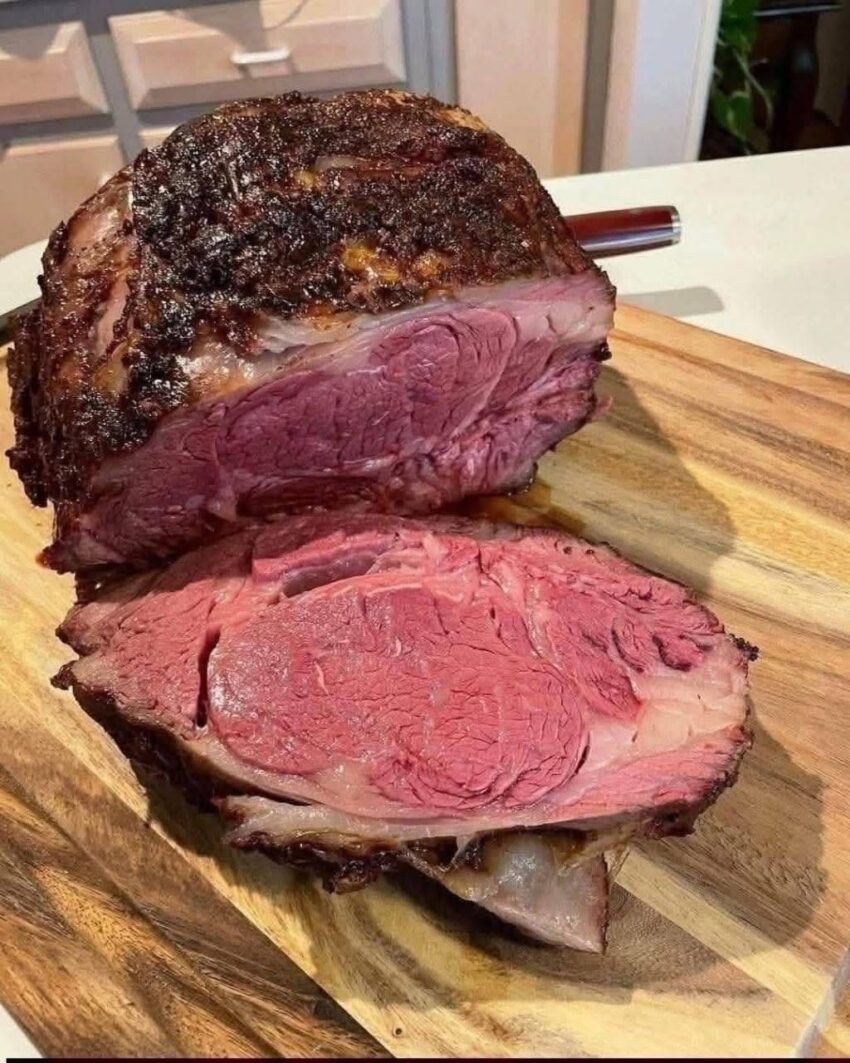
A beautifully roasted prime rib is the ultimate centerpiece for a special meal. Discover what makes prime rib so tender, juicy, flavorful, and irresistible.
There are some foods that look delicious before you even take the first bite—and a perfectly roasted prime rib is definitely one of them.
The moment you see a beautifully browned roast with a crisp outer crust, juicy slices, and that unmistakable marbling, the first thought is usually something simple: “That looks incredible.”
Prime rib has a way of turning an ordinary dinner into a special occasion. Whether it is served for a holiday gathering, Sunday dinner, birthday celebration, or family feast, a well-cooked prime rib can easily become the star of the table.
What Makes Prime Rib So Special?
Prime rib comes from the rib section of the beef and is prized for its tenderness and rich flavor.
One of the biggest reasons it tastes so good is marbling—the small amounts of fat running through the meat. During cooking, that fat melts and helps keep the roast moist while adding flavor.
The outside develops a flavorful browned crust, while the center can remain tender and juicy when cooked carefully.
That combination of:
- A deeply browned crust
- Tender interior
- Rich beef flavor
- Juicy texture
- Beautiful marbling
is what makes prime rib such a popular choice for special meals.
The Secret Is in the Seasoning
Prime rib does not need a complicated list of ingredients.
In fact, simple seasoning often allows the natural flavor of the beef to shine.
A classic combination includes:
- Kosher salt
- Freshly ground black pepper
- Garlic
- Rosemary
- Thyme
- Olive oil or softened butter
Some cooks prefer to create a garlic-herb paste and spread it over the outside of the roast before cooking.
The important thing is to season generously enough to flavor the entire roast, because prime rib is a thick cut of meat.
Should You Season It in Advance?
If you have time, seasoning the roast several hours before cooking can make a noticeable difference.
Salt can gradually work its way into the outer layers of the meat, giving the roast more consistent seasoning.
For an even better result, some cooks use a dry-brining method, seasoning the beef and leaving it uncovered in the refrigerator overnight.
Before cooking, allow the roast to sit out for a short period so it is not extremely cold when it goes into the oven.
How to Cook Prime Rib
There are several ways to prepare prime rib, but the oven is one of the easiest methods for home cooks.
Step 1: Prepare the Roast
Pat the prime rib dry with paper towels.
Rub the entire outside with a small amount of oil or softened butter, then coat it generously with salt, pepper, garlic, rosemary, and thyme.
Place the roast fat-side up in a roasting pan.
Step 2: Start With High Heat
A short period of higher-temperature roasting can help develop the delicious browned exterior.
The exact cooking temperature and timing will depend on the size of the roast and your preferred level of doneness.
Step 3: Finish at a Lower Temperature
After the outside has developed good color, the oven temperature can be reduced to allow the center of the roast to cook more gently.
This helps create a more evenly cooked interior.
Step 4: Use a Meat Thermometer
This is one of the most important tips when cooking prime rib.
Instead of relying only on cooking time, use an instant-read or leave-in meat thermometer.
The internal temperature tells you much more than the clock does.
Prime rib can be prepared anywhere from rare to well-done, although many people prefer it around medium-rare to medium because those levels preserve much of the roast’s tenderness and juiciness.
Don’t Skip the Resting Time
Once the roast comes out of the oven, resist the temptation to immediately slice it.
Allow it to rest before carving.
Resting gives the meat time to settle after cooking and helps reduce the amount of juice that escapes when you cut into it.
A large roast generally needs a meaningful resting period, depending on its size.
How to Slice Prime Rib
For beautiful slices, use a long, sharp carving knife.
Cut against the grain rather than with it. Slicing against the grain shortens the muscle fibers, making each bite easier to chew.
You can cut thin slices for a more delicate serving or thicker slices for a classic steakhouse-style presentation.
What Should You Serve With Prime Rib?
Prime rib is rich and flavorful, so it pairs especially well with sides that provide contrast.
Classic choices include:
Creamy Mashed Potatoes
Smooth mashed potatoes are one of the most popular companions for roast beef.
Roasted Vegetables
Carrots, Brussels sprouts, asparagus, or green beans can add freshness and color to the plate.
Yorkshire Pudding
For a traditional roast-beef-inspired meal, Yorkshire pudding is a fantastic choice.
Horseradish Sauce
The sharpness of horseradish cuts through the richness of the beef and adds a pleasant kick.
Au Jus
A simple beef-based jus made from the roasting juices can be served alongside the slices for extra flavor.
What About Leftover Prime Rib?
If you’re lucky enough to have leftovers, don’t waste them.
Prime rib can be transformed into several delicious meals.
Try using thinly sliced leftovers for:
- Roast beef sandwiches
- Steak and egg breakfasts
- Beef tacos
- French dip sandwiches
- Steak salads
- Breakfast hash
- Beef and vegetable bowls
For reheating, gentle heat is generally better than blasting the meat at a very high temperature, which can make already-cooked beef dry.
Why Does Prime Rib Look So Irresistible?
A lot of the appeal comes from the contrast.
You see a deeply browned exterior, followed by a tender pink center and visible marbling. When the roast is sliced and the juices are visible, it immediately signals richness and tenderness.
And let’s be honest—sometimes the first thought isn’t complicated at all.
It’s simply:
“I need a slice of that.”
The Best Part of a Prime Rib Dinner
Prime rib isn’t necessarily an everyday meal. That’s part of what makes it special.
It’s the kind of dish people often associate with celebrations, family gatherings, holidays, and long dinners around the table.
A perfectly cooked roast doesn’t just feed people—it creates a centerpiece for the entire meal.
So, what’s your very first thought when you see a beautifully cooked prime rib?
“Dinner is going to be amazing.”