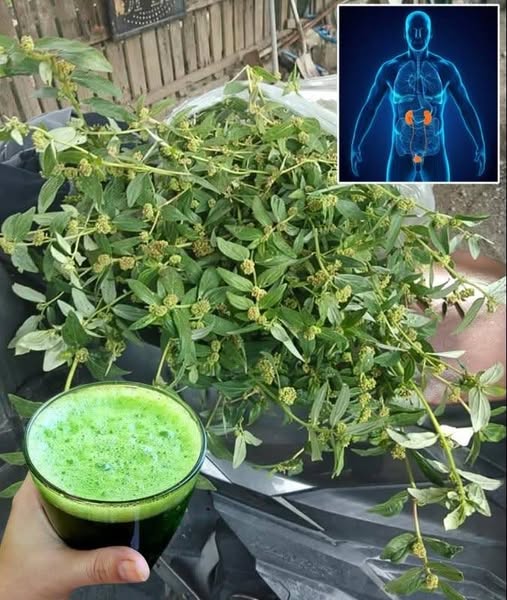
Discover 17 traditional medicinal uses of Euphorbia hirta, a plant used in herbal medicine for respiratory, digestive, skin, and other health concerns.
Euphorbia hirta is a small herb that grows in many tropical and subtropical regions. It is sometimes known by names such as asthma weed or garden spurge and has a long history of use in traditional herbal medicine.
Different cultures have used preparations made from the leaves, stems, or other parts of the plant for a variety of health complaints. Modern research has also investigated several compounds found in Euphorbia hirta, but many traditional uses still require stronger human clinical evidence.
That distinction is important: traditional use does not automatically mean that a treatment has been scientifically proven to work.
1. Traditionally Used for Cough
One of the best-known traditional uses of Euphorbia hirta is for cough and respiratory complaints.
In traditional herbal practices, preparations of the plant have been used with the goal of soothing irritated airways.
However, persistent or severe coughing should not be treated solely with herbal remedies because it can have many causes.
2. Respiratory Complaints
The plant has historically been associated with traditional remedies for breathing-related complaints, including asthma-like symptoms.
Laboratory research has investigated whether compounds in Euphorbia hirta may have effects relevant to the respiratory system, but this does not establish the plant as a proven treatment for asthma.
Anyone experiencing wheezing or difficulty breathing should seek appropriate medical care.
3. Digestive Discomfort
Traditional medicine has also used Euphorbia hirta for certain digestive complaints.
Some preparations have been traditionally taken for stomach discomfort and intestinal problems.
Evidence in humans remains limited, so it should not replace evaluation when abdominal pain, vomiting, diarrhea, or other symptoms are severe or persistent.
4. Traditionally Used for Diarrhea
Various traditional systems have used Euphorbia hirta preparations for diarrhea.
Researchers have investigated possible antimicrobial and gastrointestinal effects in laboratory and animal studies, but evidence from well-designed human trials is still limited.
For diarrhea, maintaining adequate fluid and electrolyte intake is particularly important.
5. Possible Antimicrobial Activity
Extracts of Euphorbia hirta have demonstrated antimicrobial activity in some laboratory research.
This has generated interest in the plant’s potential medicinal properties.
However, an effect observed in a laboratory dish does not necessarily mean that consuming the plant will treat an infection in humans.
6. Traditional Use for Skin Problems
The plant has also appeared in traditional remedies for certain skin complaints.
Its leaves and other plant parts have been prepared in different ways depending on the culture and intended use.
Because plants can irritate the skin or cause allergic reactions, applying an unfamiliar preparation directly to damaged skin is not risk-free.
7. Wound-Related Traditional Use
Some traditional practices have used Euphorbia hirta in preparations associated with minor wounds.
Modern wound care, however, relies on cleaning, protecting, and monitoring wounds to reduce infection risk. Herbal preparations should not be considered a substitute for appropriate wound care.
8. Inflammation Research
Scientists have investigated extracts of Euphorbia hirta for possible anti-inflammatory activity.
Certain plant compounds may influence inflammatory pathways in laboratory models.
More human research is needed before this can be translated into reliable treatment recommendations.
9. Antioxidant Properties
Laboratory studies have identified antioxidant compounds in Euphorbia hirta.
Antioxidants can help neutralize certain reactive molecules in laboratory settings, but the presence of antioxidant activity does not mean that consuming the plant prevents or cures a specific disease.
10. Traditional Use for Fever
Some traditional medicinal systems have used Euphorbia hirta preparations during episodes of fever.
A fever can have many causes, including infections that require medical treatment. Therefore, herbal remedies should not delay medical assessment when fever is high, prolonged, or accompanied by concerning symptoms.
11. Traditional Use for Menstrual Complaints
Traditional herbal practices in some regions have included Euphorbia hirta for women’s health and menstrual complaints.
This is an area where particular caution is necessary because herbal substances may affect the body differently depending on dose, preparation, and individual health status.
12. Traditional Use for Urinary Complaints
The plant has also been used traditionally for certain urinary complaints.
There is not enough clinical evidence to recommend Euphorbia hirta as a treatment for urinary infections or kidney problems.
Symptoms such as painful urination, blood in urine, fever, or flank pain should be medically evaluated.
13. Possible Antispasmodic Effects
Some experimental research has explored whether Euphorbia hirta extracts may influence smooth-muscle activity.
This could potentially help explain some of its traditional uses for intestinal or respiratory complaints, but laboratory findings cannot be treated as proof of effectiveness in people.
14. Traditional Use for Intestinal Parasites
Historical herbal practices have included the plant among remedies used for intestinal complaints and suspected parasites.
Modern diagnosis and treatment of parasitic infections should rely on appropriate medical testing and proven medications when necessary.
15. Research Into Blood Sugar Effects
Preliminary laboratory and animal research has explored possible effects of Euphorbia hirta extracts on blood glucose.
These findings are interesting but insufficient to establish the plant as a diabetes treatment.
People taking diabetes medication should be especially cautious about using herbal preparations that may potentially influence blood sugar.
16. Research Into Liver-Protective Effects
Researchers have also investigated possible protective effects of Euphorbia hirta extracts on cells and organs in experimental models.
Such findings are preliminary and should not be interpreted as proof that the plant can treat fatty liver, hepatitis, or other liver diseases.
17. Potential Antioxidant and Protective Effects
The combination of antioxidant and other biological activities observed in laboratory research has made Euphorbia hirta an interesting subject for further study.
Scientists continue to investigate its chemical constituents and possible biological effects.
At present, however, many of the plant’s popular medicinal claims remain traditional or experimental rather than clinically established treatments.
Is Euphorbia Hirta Safe?
Natural does not automatically mean safe.
Euphorbia species contain biologically active compounds, and the milky latex from many euphorbias can irritate the skin and eyes. Preparations can also vary considerably in strength.
Avoid experimenting with concentrated extracts or homemade preparations, particularly if you are pregnant, breastfeeding, taking prescription medicines, or managing a chronic condition.
Children should not be given herbal preparations without appropriate professional guidance.
A Note About Pregnancy
Pregnant women should be particularly cautious with Euphorbia hirta. There is not enough reliable safety information to consider medicinal use during pregnancy safe.
Traditional use is not evidence of pregnancy safety. Anyone who is pregnant should speak with their doctor or qualified healthcare professional before using this plant medicinally.
Final Thoughts
Euphorbia hirta has an interesting history in traditional herbal medicine and has attracted scientific interest because of its potentially active plant compounds.
Traditional uses include respiratory and digestive complaints, skin applications, fever, inflammation, and several other conditions. Nevertheless, many of these uses have not been confirmed through high-quality human clinical trials.
The plant may be valuable as a subject of scientific research, but it should not be presented as a cure-all or used to replace proven medical treatment.