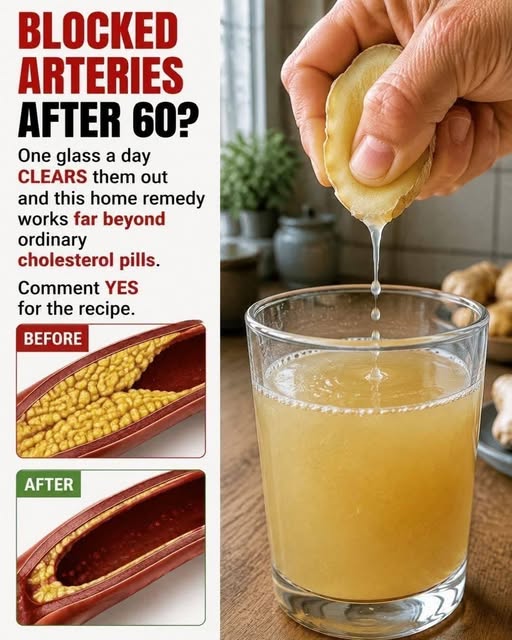
Can a daily homemade drink really clear blocked arteries or replace cholesterol medicine? Learn what popular heart-health drinks may actually do, which ingredients can support healthy cholesterol levels, and why proven medical treatment still matters.
A daily glass of a homemade drink is often promoted online as a simple way to “clean blocked arteries” and lower cholesterol naturally. Some recipes even claim to be more powerful than prescription cholesterol medicines.
The reality is more balanced.
Certain foods and drinks can absolutely be part of a heart-healthy lifestyle. Ingredients rich in soluble fiber, antioxidants, healthy fats, and plant compounds may help support healthier cholesterol levels and overall cardiovascular health.
But no homemade drink has been proven to instantly remove arterial plaque or work 10 times better than cholesterol medication.
Understanding the difference can help you enjoy natural foods safely without putting your heart at risk.
What Actually Causes “Blocked Arteries”?
Arteries can become narrowed when cholesterol, fats, calcium, and other substances accumulate in the artery wall. This process is commonly associated with atherosclerosis.
The process usually develops gradually over many years.
High LDL (“bad”) cholesterol is one of the important risk factors, but it is not the only one. High blood pressure, diabetes, smoking, inactivity, excess body weight, age, and family history can also contribute to cardiovascular risk.
That is why there is no realistic one-day “artery cleansing” drink.
Can a Homemade Drink Help Cholesterol?
Potentially, depending on what is in it.
A drink made from nutritious ingredients may complement a healthy diet. For example, some foods provide soluble fiber, which can help reduce the absorption of cholesterol in the digestive tract.
Other plant foods contain antioxidants and other compounds that can contribute to an overall heart-friendly eating pattern.
However, the benefit generally comes from consistent dietary habits, not from drinking one special mixture once a day.
A healthy drink cannot compensate for a diet consistently high in saturated fat, smoking, inactivity, uncontrolled blood pressure, or untreated high cholesterol.
Ingredients That May Support Heart Health
Rather than looking for a “miracle” recipe, focus on ingredients with nutritional evidence behind them.
1. Oats
Oats contain beta-glucan, a type of soluble fiber. Regularly including soluble fiber in the diet can help support healthy LDL cholesterol levels.
You can use oats in breakfast, smoothies, or other meals rather than relying on an oat drink alone.
2. Flaxseeds
Ground flaxseed provides fiber and plant-based omega-3 fatty acid (ALA), along with other beneficial plant compounds.
Adding a small amount of ground flaxseed to yogurt, oatmeal, or a smoothie can be an easy way to include it in the diet.
3. Berries and Other Fruits
Berries provide fiber and a variety of plant compounds. Other whole fruits can also contribute fiber and nutrients.
For a healthier drink, blending whole fruit with unsweetened yogurt or milk is generally preferable to adding large amounts of sugar.
4. Nuts and Seeds
Nuts and seeds contain unsaturated fats, fiber, and other nutrients. Replacing foods high in saturated fats with sources of unsaturated fats can be beneficial for cardiovascular health.
Portion size still matters because nuts and seeds are calorie-dense.
5. Vegetables
Vegetables are among the most useful additions to a heart-healthy eating pattern.
Instead of searching for a single “detox” ingredient, aim for variety: leafy greens, tomatoes, carrots, peppers, beans, and other vegetables can all contribute to a nutritious diet.
What About Lemon, Garlic, Ginger or Apple Cider Vinegar?
These ingredients frequently appear in online artery-cleansing recipes.
They can be used as foods or flavorings if they agree with you, but they should not be presented as substitutes for cholesterol treatment.
For example, garlic is a nutritious food and has been studied for cardiovascular effects, but that does not mean garlic water can dissolve established arterial plaque.
Similarly, lemon water can help with hydration and provide vitamin C, but it does not physically “scrub” cholesterol from arteries.
Apple cider vinegar is also not a proven treatment for blocked arteries.
The important lesson is simple:
A healthy ingredient is not automatically a medical treatment.
Can a Drink Replace a Cholesterol Pill?
For someone who has been prescribed cholesterol medication, replacing the medication with a homemade drink without medical guidance can be dangerous.
Statins and other lipid-lowering medicines are prescribed based on a person’s cardiovascular risk and cholesterol levels. For some people—particularly those with established cardiovascular disease or very high LDL cholesterol—medication can be an important part of reducing future cardiovascular events.
Lifestyle changes can work alongside medication and, in some lower-risk situations, may significantly improve cholesterol levels. But whether medication can be reduced or stopped is an individual medical decision.
Never stop a prescribed cholesterol medicine simply because an online recipe claims to be stronger.
The Bigger Picture: How to Protect Your Arteries
If your goal is long-term heart health, several habits are much more meaningful than searching for one miracle drink.
Eat More Fiber
Choose foods such as oats, beans, lentils, vegetables, fruits, and whole grains.
Choose Healthier Fats
Use more unsaturated fat sources such as nuts, seeds, fish, and appropriate plant oils while limiting foods high in saturated and trans fats.
Reduce Excess Added Sugar
Sugary drinks and highly processed foods can make it harder to maintain a healthy weight and metabolic health.
Stay Physically Active
Regular physical activity supports cardiovascular fitness and can improve several heart-health risk factors.
Avoid Smoking
Smoking damages blood vessels and substantially increases cardiovascular risk.
Monitor Blood Pressure and Cholesterol
You cannot always feel high cholesterol or high blood pressure. Regular checks are therefore important, particularly as cardiovascular risk increases with age.
What If You Already Have Artery Disease?
If a doctor has told you that you have coronary artery disease, carotid artery disease, or another form of atherosclerosis, don’t rely on a homemade drink to treat it.
Arterial plaque may be managed through a combination of lifestyle changes, cholesterol reduction, blood-pressure control, diabetes management, smoking cessation, and medications or procedures when medically necessary.
The appropriate treatment depends on the location and severity of the disease and your overall cardiovascular risk.
Warning Signs That Need Urgent Attention
A food or drink should never be used to delay emergency care.
Seek urgent medical attention if you experience symptoms such as:
- Pressure, squeezing, or severe pain in the chest
- Pain spreading to the arm, shoulder, back, neck, or jaw
- Severe shortness of breath
- Sudden sweating, nausea, or fainting
- Sudden weakness or numbness on one side of the body
- Sudden difficulty speaking or understanding speech
These can be warning signs of a heart attack or stroke.
The Bottom Line
There is no scientifically established “one-glass-a-day” home remedy that can instantly clear blocked arteries or outperform cholesterol medication by tenfold.
But that does not mean natural foods are useless.
A nutritious drink made with ingredients such as whole fruits, oats, ground flaxseed, or other fiber-rich foods can be part of a heart-friendly diet. The real benefit comes from the overall pattern of eating and living—not from a magical combination of ingredients.
Think of a homemade drink as one small part of cardiovascular care, not a replacement for proven treatment.
If you have high cholesterol, ask your healthcare professional what your LDL level and overall cardiovascular risk mean for you. A simple blood test and proper risk assessment are far more reliable than judging artery health from an internet recipe.