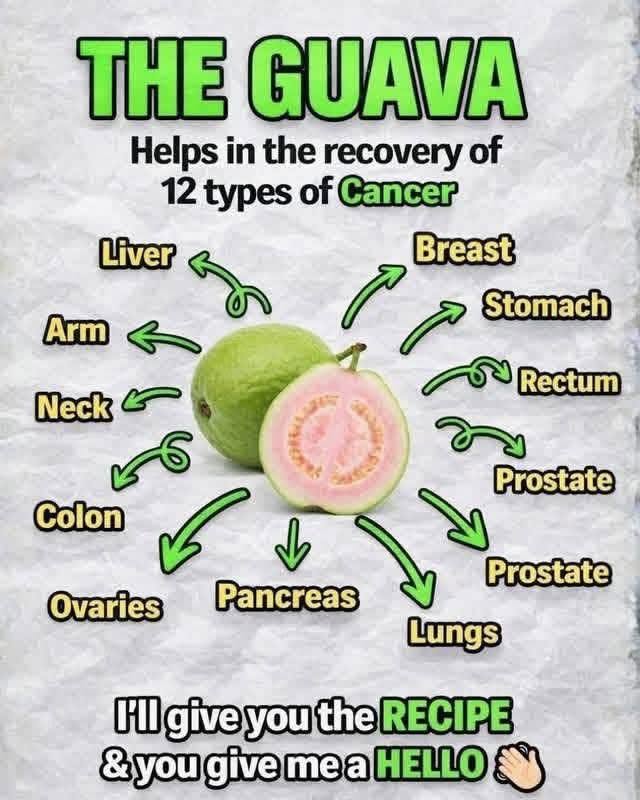
Guava leaves have been used traditionally in many cultures for generations. Discover their nutrients, plant compounds, potential benefits, common uses, and important safety considerations.
When people think about guava, they usually think about the sweet, fragrant fruit. But the leaves of the guava tree have also attracted attention for generations.
In traditional wellness practices, guava leaves have been used in teas, rinses, and other preparations. Their popularity comes partly from the natural plant compounds they contain, including polyphenols and other antioxidants that researchers continue to investigate.
But are guava leaves truly a miracle remedy?
The reality is more interesting: guava leaves contain potentially useful plant compounds, but there is not enough human evidence to say that they cure diseases or replace medical treatment.
What Makes Guava Leaves Interesting?
Guava leaves contain various naturally occurring compounds, including flavonoids, tannins, and other polyphenols.
These compounds have been studied for antioxidant and other biological activities.
Antioxidants are substances that can help protect cells from oxidative stress. However, laboratory antioxidant activity should not automatically be interpreted as proof that drinking guava-leaf tea will prevent or cure a particular disease.
That’s an important distinction when evaluating herbal remedies.
Traditional Uses of Guava Leaves
Guava leaves have a long history of traditional use.
Depending on the culture and preparation, people have used them as:
- Herbal tea
- A traditional digestive drink
- A mouth rinse
- A skin-related preparation
- A traditional remedy for occasional digestive discomfort
Some of these traditional uses have also inspired scientific research.
However, traditional use does not establish that a remedy is effective for a specific medical condition.
Guava Leaf Tea
One of the most common ways people consume guava leaves is as a tea.
A simple traditional preparation generally involves washing fresh leaves and steeping them in hot water.
The important point is that this should be viewed as a traditional beverage, not as a replacement for prescribed medicine.
If you’re taking medication or have a chronic health condition, regularly consuming concentrated herbal preparations is something worth discussing with your healthcare professional.
What Does Research Suggest?
Researchers have investigated guava leaves for several possible biological effects, including antioxidant and antimicrobial activity.
Some early studies have also examined their potential relationship with blood sugar and other metabolic processes.
These findings are interesting, but research quality varies considerably.
Laboratory experiments, animal studies, and small human studies cannot all be interpreted in the same way.
A promising laboratory result does not mean that a particular homemade tea has been proven to treat a disease.
More high-quality human research is needed before strong medical conclusions can be made.
Could Guava Leaves Support Digestive Health?
Guava leaves have traditionally been associated with digestive wellness.
Certain compounds in the leaves may interact with the digestive system, and this is one reason guava-leaf preparations have remained popular in traditional medicine.
However, persistent diarrhea, abdominal pain, vomiting, blood in the stool, or unexplained digestive symptoms should not simply be treated at home with herbal tea.
Those symptoms can sometimes indicate an underlying condition that requires medical evaluation.
Don’t Confuse the Leaves With the Fruit
Guava fruit and guava leaves are not nutritionally identical.
The fruit is a well-established food containing nutrients such as vitamin C and dietary fiber.
The leaves, on the other hand, are primarily used as a traditional herbal preparation.
Eating guava as part of a balanced diet has a much stronger nutritional evidence base than using guava leaves as a treatment for disease.
Is Guava Leaf Tea Safe?
For many healthy adults, a modest amount of traditionally prepared guava-leaf tea may be tolerated, but “natural” does not automatically mean risk-free.
Be especially cautious with concentrated extracts, supplements, or large quantities.
People who are pregnant or breastfeeding, children, older adults taking multiple medicines, and people with chronic medical conditions should consult a healthcare professional before regularly using concentrated herbal products.
If you experience an allergic reaction or unusual symptoms after consuming a preparation, stop using it and seek appropriate medical advice.
The Biggest Mistake to Avoid
The biggest problem with herbal remedies isn’t necessarily the plant itself.
It’s the belief that one natural ingredient can treat everything.
No leaf, seed, fruit, tea, or herb has been proven to cure every disease.
Using an herbal drink while also following appropriate medical care is very different from replacing medical treatment with that drink.
The Bottom Line
Guava leaves are certainly more interesting than they may appear.
They contain naturally occurring plant compounds and have a long history of traditional use. Scientists continue to study their antioxidant and other biological properties.
But calling them a cure-all goes beyond the available evidence.
Think of guava leaves as a traditional herbal ingredient with promising areas of research, rather than a miracle medicine.
The guava tree may offer valuable food and plant compounds—but when it comes to treating disease, good evidence matters more than extraordinary claims.