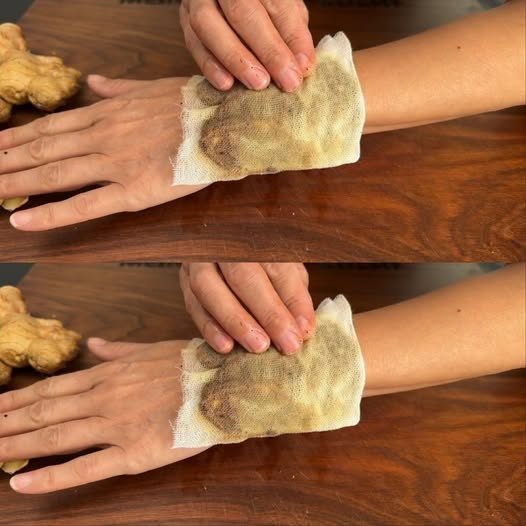
However, a simple warming massage oil can be used as part of a self-care routine. Massage itself may temporarily ease muscle tension and stiffness, while ingredients such as ginger and turmeric contain plant compounds that have been studied for their potential anti-inflammatory properties.
Here is a simple recipe you can make at home.
Ginger and Turmeric Joint Massage Oil
Ingredients
- ½ cup olive oil or coconut oil
- 1 tablespoon freshly grated ginger
- 1 teaspoon turmeric powder
- 1 small cinnamon stick
- A clean, dry glass bottle for storage
Olive oil is a convenient carrier oil because it spreads easily over the skin. Coconut oil can also be used if you prefer its texture.
How to Prepare the Oil
- Pour the olive or coconut oil into a small saucepan.
- Add the grated ginger, turmeric powder, and cinnamon stick.
- Warm the mixture over very low heat for approximately 10–15 minutes.
- Do not allow the oil to smoke or the ingredients to burn.
- Turn off the heat and allow the mixture to cool completely.
- Strain the oil through a clean, fine cloth or strainer.
- Transfer the finished oil into a clean, dry bottle.
- Store it in a cool, dark place and use a small amount at a time.
Because fresh ginger contains water, homemade infused oils can spoil more easily than commercially prepared oils. For that reason, make a small batch, keep it refrigerated if appropriate for your oil, and discard it if you notice an unusual smell, appearance, or signs of spoilage.
How to Use It
Apply a small amount to the skin around a sore or stiff joint and gently massage for 5–10 minutes.
You can use the oil around areas such as:
- Knees
- Hands
- Wrists
- Shoulders
- Elbows
- Feet
- Muscles that feel tight or tired
Avoid massaging directly over broken, irritated, infected, or freshly shaved skin.
The goal is comfort and gentle massage. The oil should not be expected to repair cartilage, reverse arthritis, or permanently eliminate pain.
What Are the Potential Benefits?
Ginger
Ginger contains naturally occurring compounds that have been investigated for their anti-inflammatory effects. Ginger is also traditionally used in many cultures as a warming ingredient.
When used in a massage oil, the combination of gentle massage and warmth may help some people feel temporary relief from stiffness or muscle discomfort.
Turmeric
Turmeric contains curcumin and other plant compounds that have attracted considerable scientific interest because of their antioxidant and anti-inflammatory properties.
However, most research concerns turmeric or curcumin consumed orally or standardized preparations, not homemade turmeric-infused massage oil. Therefore, it would be misleading to claim that applying this oil can cure arthritis.
Cinnamon
Cinnamon adds a warming sensation and contains various aromatic plant compounds. It is primarily included in this recipe for its traditional warming and aromatic qualities.
Cinnamon can irritate sensitive skin, so always test a small amount first.
Olive Oil or Coconut Oil
The carrier oil helps the mixture spread across the skin and makes massage easier. The massage itself may be more important for immediate comfort than the particular carrier oil used.
Can This Oil Cure Arthritis?
No.
Arthritis includes several different conditions, and treatment depends on the underlying cause. Osteoarthritis, rheumatoid arthritis, gout, and other forms of arthritis require different approaches.
A homemade massage oil may provide temporary comfort for some people, but it cannot rebuild damaged cartilage, reverse joint degeneration, or cure inflammatory arthritis.
For persistent joint pain, swelling, warmth, or stiffness, it is better to have the underlying problem properly evaluated.
What About Varicose Veins?
This is especially important because viral posts sometimes claim that a particular oil can make varicose veins disappear.
There is no good evidence that ginger, turmeric, cinnamon, olive oil, or another homemade oil can remove varicose veins.
Gentle skin massage may feel soothing, but avoid vigorous massage directly over prominent or painful varicose veins. Varicose veins are enlarged veins, and treatment may require medical evaluation and, in some cases, compression therapy or procedures.
If one leg suddenly becomes swollen, painful, warm, or red—or if you develop sudden chest pain or difficulty breathing—seek urgent medical attention.
A Simple Self-Care Routine
If you enjoy using homemade massage oil, consider combining it with other evidence-based habits:
Gentle movement: Regular walking and appropriate strengthening exercises can help maintain mobility.
Weight management: If you are overweight, gradual weight loss can reduce stress on weight-bearing joints.
Warmth: A warm shower or warm compress may help with temporary stiffness.
Rest when needed: Avoid repeatedly aggravating a painful joint.
Medical evaluation: Persistent or worsening pain should not be treated solely with home remedies.
Safety Precautions
Before using the oil over a large area, apply a small amount to a limited patch of skin and wait to see whether irritation develops.
Do not apply it to open wounds, eczema flares, infected skin, or damaged skin. Stop using it if you experience burning, significant redness, itching, or swelling.
If you are pregnant, have a significant skin condition, or take medications that may affect your health in relation to herbal products, ask a healthcare professional before using concentrated herbal preparations.
The Bottom Line
A homemade Ginger and Turmeric Massage Oil can be a pleasant addition to a personal massage and self-care routine. It may help some people feel temporarily more comfortable when dealing with ordinary muscle tension or joint stiffness.
But it should not be advertised as an oil that “heals everything,” cures arthritis, removes varicose veins, or makes damaged joints “like new.” Those claims go beyond the available evidence.
The most effective approach is to use simple home remedies for comfort while addressing persistent joint or vein problems with appropriate medical care.