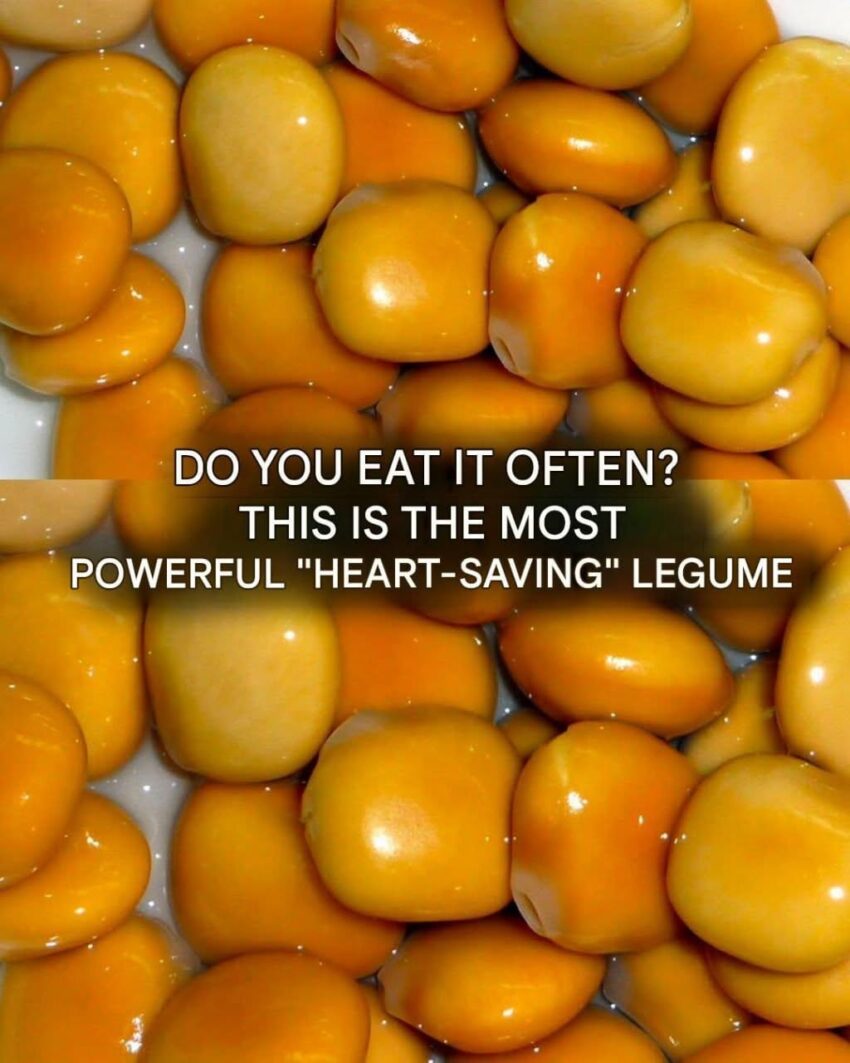
Discover heart-friendly foods that may support healthy cholesterol, blood pressure, and overall cardiovascular health through everyday nutrition.
Taking care of your heart does not always have to mean making dramatic changes overnight. Small, consistent improvements in your everyday diet can make a meaningful difference over time. Certain foods are naturally rich in soluble fiber, unsaturated fats, potassium, antioxidants, and other nutrients that support cardiovascular health.
Some heart-friendly foods can help lower LDL cholesterol when they replace foods high in saturated fats, while others may help maintain healthy blood pressure. However, no single food can guarantee that cholesterol or blood pressure will become normal. The overall eating pattern matters most.
Understanding “Bad” and “Good” Cholesterol
Cholesterol is a waxy substance that your body needs for important functions, including making hormones and building cell membranes.
Two commonly discussed types are:
- LDL cholesterol: Often called “bad” cholesterol because elevated levels can contribute to plaque buildup in the arteries.
- HDL cholesterol: Often called “good” cholesterol because it helps transport cholesterol away from the bloodstream toward the liver for processing.
The goal is not simply to increase HDL as much as possible. Overall cardiovascular risk depends on several factors, including LDL cholesterol, blood pressure, blood sugar, smoking, physical activity, age, and family history.
1. Oats and Other Whole Grains
Oats are particularly useful because they contain soluble fiber, including a type called beta-glucan.
Soluble fiber can help reduce the absorption of cholesterol in the digestive tract. Eating oats regularly as part of a balanced diet may therefore help support healthier LDL cholesterol levels.
Other whole grains worth including are:
- Barley
- Whole-grain bread
- Brown rice
- Whole-wheat pasta
- Bulgur
- Whole-grain cereals
Try replacing some refined grains with whole grains rather than simply adding extra calories to your diet.
2. Nuts and Seeds
Almonds, walnuts, pistachios, chia seeds, flaxseeds, and pumpkin seeds provide combinations of unsaturated fats, fiber, minerals, and other beneficial nutrients.
Replacing foods high in saturated fat with small portions of nuts can be particularly useful for heart health.
A practical serving is a small handful of unsalted nuts. Since nuts are calorie-dense, portion size still matters.
3. Fatty Fish
Fish such as salmon, sardines, mackerel, and trout provide omega-3 fatty acids.
Omega-3 fats are especially associated with supporting healthy triglyceride levels and overall cardiovascular health. Eating fish as part of a balanced diet can be a useful alternative to meals centered around processed or fatty meats.
If you eat fish, aim for regular servings as part of an overall heart-friendly eating pattern.
4. Beans and Lentils
Beans, chickpeas, peas, and lentils are inexpensive sources of:
- Plant protein
- Soluble and insoluble fiber
- Vitamins and minerals
- Complex carbohydrates
Their fiber content can help support healthy cholesterol levels, while replacing some processed or high-saturated-fat foods with legumes can improve the overall nutritional quality of a meal.
You can add lentils to soups, make chickpea salads, prepare bean curries, or use them as a filling protein source in everyday meals.
5. Avocados
Avocados contain mostly unsaturated fats along with fiber and several micronutrients.
Replacing foods containing large amounts of saturated fat with avocado can be a heart-friendly dietary choice. However, avocado is energy-dense, so a moderate serving is usually enough.
Try adding avocado to whole-grain toast, salads, sandwiches, or homemade bowls.
6. Fruits Rich in Fiber
Fruits provide fiber, potassium, antioxidants, and other plant compounds.
Apples, pears, oranges, berries, guava, and many other fruits can fit easily into a heart-conscious diet.
Eating whole fruit is generally preferable to drinking fruit juice because whole fruit contains more fiber and tends to be more filling.
7. Leafy Green Vegetables
Spinach, kale, mustard greens, lettuce, and other leafy vegetables are naturally rich in vitamins, minerals, and plant compounds.
Many vegetables also provide potassium, a mineral involved in maintaining normal blood pressure.
Instead of thinking of vegetables as a side dish that must be eaten occasionally, try making them a regular part of lunch and dinner.
8. Tomatoes
Tomatoes provide potassium, vitamin C, and antioxidant compounds such as lycopene.
Fresh tomatoes can be added to salads, sandwiches, soups, curries, and homemade sauces.
The bigger benefit comes from the overall dietary pattern rather than from eating a specific amount of tomatoes every day.
9. Garlic
Garlic is a popular ingredient in heart-conscious diets. Research suggests that garlic preparations may have modest effects on blood pressure or cholesterol in some circumstances, although the results vary.
It should not be considered a replacement for prescribed blood-pressure or cholesterol medication.
Using fresh garlic to add flavor can nevertheless help make healthy meals more enjoyable without relying heavily on salt.
10. Olive Oil and Other Unsaturated Fats
Replacing butter, ghee, shortening, or other sources of saturated fat with unsaturated fats can help improve the overall fat quality of your diet.
Extra-virgin olive oil is one option, while other sources of unsaturated fats include:
- Nuts
- Seeds
- Avocado
- Certain vegetable oils
- Fatty fish
The important point is replacement, not simply adding more fat to your existing diet.
Foods to Limit for Better Heart Health
Heart-friendly eating is not only about what you add. It is also about what you reduce.
Try to limit frequent consumption of:
- Processed meats
- Deep-fried foods
- Foods high in saturated fat
- Commercial baked goods containing trans fats or large amounts of saturated fat
- Highly processed snacks
- Excessively salty foods
- Sugary drinks
- Large portions of refined carbohydrates
You do not necessarily need to eliminate every favorite food. Moderation and consistency are usually more realistic than an extremely restrictive diet.
How Diet Can Help Blood Pressure
Diet can influence blood pressure, particularly when it emphasizes vegetables, fruits, whole grains, legumes, nuts, and other minimally processed foods.
One of the most important dietary changes for people with high blood pressure is often reducing excessive sodium intake.
Instead of relying heavily on salt for flavor, experiment with:
- Garlic
- Lemon
- Black pepper
- Cumin
- Coriander
- Ginger
- Herbs and spices
If you have been diagnosed with high blood pressure, dietary changes should complement—not replace—medical treatment.
A Simple Heart-Friendly Plate
You do not need complicated recipes to build a healthier meal.
A simple plate could contain:
Half: vegetables or salad
One-quarter: beans, lentils, fish, chicken, or another lean protein
One-quarter: brown rice, whole-wheat roti, oats, barley, or another whole grain
Add a small amount of unsaturated fat, such as nuts, seeds, or olive oil.
This type of balanced plate can be adapted to many different cuisines and budgets.
What About Raising HDL Cholesterol?
Many people focus heavily on increasing HDL cholesterol, but simply raising HDL is not the main goal of heart-health treatment.
Instead, the focus should be on the overall cholesterol profile and cardiovascular risk. Healthy lifestyle habits such as regular physical activity, avoiding smoking, maintaining a healthy weight, and choosing unsaturated fats instead of saturated fats can all contribute to a healthier heart-risk profile.
Other Habits That Protect the Heart
Food is only one piece of the picture.
Other important habits include:
Stay Physically Active
Regular physical activity supports cardiovascular fitness, blood pressure, blood sugar, and cholesterol management.
Even brisk walking can be a useful starting point for many people.
Avoid Smoking
Smoking damages blood vessels and substantially increases cardiovascular risk. Quitting is one of the most important steps a smoker can take for heart health.
Sleep Well
Consistently poor sleep can be associated with several cardiovascular risk factors. Maintaining a regular sleep schedule can support overall health.
Maintain a Healthy Weight
If you are above your healthy weight range, gradual weight loss can improve several cardiovascular risk factors. Crash diets are usually unnecessary; sustainable changes are easier to maintain.
The Bottom Line
There is no single “magic” food that can clean your arteries, cure high cholesterol, or guarantee normal blood pressure.
But a diet rich in vegetables, fruits, whole grains, beans, nuts, seeds, fish, and unsaturated fats can support cardiovascular health. The most important strategy is to make healthier foods regular parts of your diet while reducing excess saturated fat, sodium, highly processed foods, and added sugars.
If your cholesterol or blood pressure is already high, lifestyle changes are valuable, but you should also follow your healthcare professional’s advice and take prescribed medication when recommended.
Frequently Asked Questions
Can these foods lower cholesterol?
Some foods, particularly those rich in soluble fiber and unsaturated fats, can help improve cholesterol levels when incorporated into an overall healthy diet.
Can food alone control high blood pressure?
Diet can have an important effect, but some people need medication as well. Very high blood pressure should not be managed with food alone.
Is HDL cholesterol always better when it is higher?
Not necessarily. HDL is one part of the cholesterol picture, and current heart-health management focuses heavily on LDL cholesterol and overall cardiovascular risk rather than simply trying to increase HDL.
How quickly can diet improve cholesterol?
Changes vary from person to person. Cholesterol is generally assessed with a blood test, and your healthcare professional can determine whether your lifestyle changes are producing the desired effect.
What is the easiest place to start?
Start with one or two changes you can maintain: replace refined grains with whole grains, add more vegetables and beans, choose nuts instead of highly processed snacks, and reduce foods high in saturated fat and sodium.