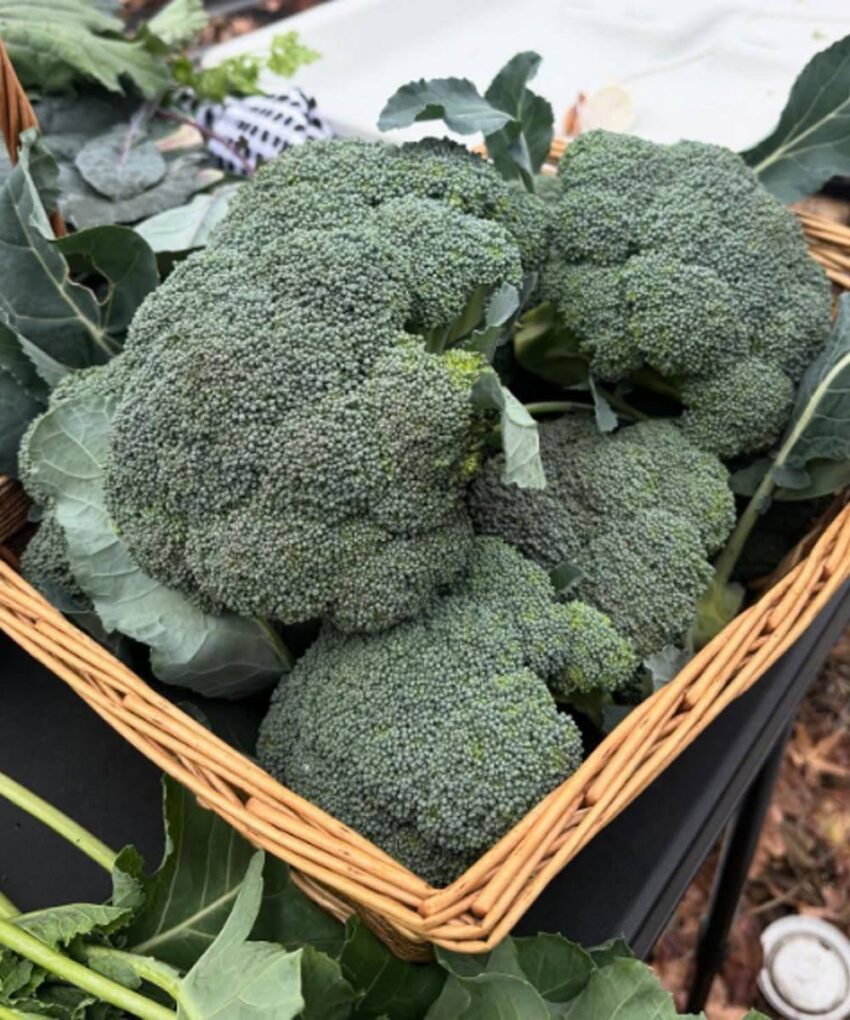
Broccoli is packed with fiber, vitamins, minerals, and plant compounds. Learn what regular broccoli consumption may do for digestion, heart health, blood sugar, and overall wellness.
Broccoli has earned a reputation as one of the healthiest vegetables you can put on your plate. It is low in calories, rich in fiber, and provides a variety of vitamins, minerals, and naturally occurring plant compounds.
But the internet often turns healthy foods into extreme claims.
One headline might say broccoli “causes” a particular effect, while another claims it can prevent almost every disease.
The reality is more balanced.
Eating broccoli regularly can be a useful part of a nutritious diet, but it is not a miracle food—and the effects can vary from person to person.
What Makes Broccoli So Nutritious?
Broccoli belongs to the cruciferous vegetable family, along with cauliflower, cabbage, Brussels sprouts, and kale.
It provides nutrients including:
- Vitamin C
- Vitamin K
- Folate
- Fiber
- Potassium
- Several antioxidant compounds
It also contains naturally occurring sulfur-containing compounds, including glucosinolates, which have attracted considerable scientific interest.
When broccoli is chopped or chewed, some of these compounds can be converted into other bioactive substances, including sulforaphane.
Researchers continue to study how these compounds may interact with the body’s cellular processes.
1. Broccoli Can Support Digestive Health
One of the most straightforward benefits of broccoli is its fiber content.
Dietary fiber supports normal bowel function and can help promote regularity.
Fiber also contributes to a healthier gut environment by providing material that beneficial gut bacteria can use.
If you’re not accustomed to eating much fiber, however, suddenly adding large amounts of broccoli may cause:
- Gas
- Bloating
- Abdominal discomfort
Increasing fiber gradually and drinking enough fluids can make the transition easier.
2. It Provides Vitamin C
Broccoli is a useful source of vitamin C.
Vitamin C contributes to normal immune function and is also involved in collagen production, wound healing, and antioxidant protection.
Getting vitamin C from vegetables and fruits is generally preferable to relying on supplements unless supplementation has been recommended for a specific reason.
3. Broccoli May Support Heart Health
A diet rich in vegetables is consistently associated with better overall cardiovascular health.
Broccoli contributes fiber, potassium, vitamin C, and other plant compounds to the diet.
However, eating broccoli does not automatically lower cholesterol or blood pressure by itself.
Heart health depends on the overall dietary pattern, physical activity, body weight, smoking status, sleep, blood pressure, cholesterol, blood sugar, and other factors.
Think of broccoli as one helpful piece of the puzzle, not the entire solution.
4. It Can Help You Feel Fuller
Broccoli provides relatively few calories for its volume.
Because it contains water and fiber, adding it to meals can make them more filling without dramatically increasing calorie intake.
This can be useful for people trying to maintain a healthy weight.
For example, replacing some highly processed, calorie-dense side dishes with vegetables such as broccoli may make a meal more filling while keeping overall calories lower.
The preparation method matters too.
Broccoli covered in large amounts of butter, cheese sauce, or high-calorie dressing can become a very different meal nutritionally.
5. Broccoli Contains Interesting Plant Compounds
Perhaps the most scientifically interesting aspect of broccoli is its collection of glucosinolates.
These compounds can be converted into substances that researchers are studying for their effects on cellular pathways involved in inflammation, oxidative stress, and other biological processes.
This research is promising, but it should not be exaggerated.
Laboratory findings do not automatically mean that eating broccoli will prevent or cure a particular disease in humans.
A healthy food can be beneficial without being a medicine.
Can Broccoli “Detox” Your Body?
This is one claim worth treating carefully.
Your body already has sophisticated systems for processing and eliminating unwanted substances, particularly through the liver, kidneys, lungs, and digestive tract.
Broccoli does not need to “flush toxins” from your body for it to be a healthy food.
Its real advantages are much simpler:
It supplies fiber, vitamins, minerals, and beneficial plant compounds as part of a balanced diet.
Can Eating Broccoli Cause Problems?
For most people, broccoli is perfectly safe as part of a normal diet.
But some people may experience digestive discomfort after eating large portions.
Broccoli contains fermentable carbohydrates that can contribute to gas and bloating in people with sensitive digestive systems.
Cooking broccoli thoroughly may make it easier for some people to tolerate.
If broccoli consistently causes significant pain, diarrhea, or other symptoms, discuss the problem with a healthcare professional rather than assuming you simply need to eat more of it.
What About Thyroid Health?
Cruciferous vegetables sometimes receive negative attention because of compounds called goitrogens.
This has led to claims that broccoli is dangerous for the thyroid.
For most people eating normal amounts of broccoli as part of a varied diet, this is not a reason to avoid it.
People with thyroid disease should follow individualized medical advice, particularly if they have been told to make specific dietary changes.
There is also a difference between eating reasonable amounts of cooked vegetables and consuming extremely large quantities of concentrated cruciferous-vegetable products.
Raw or Cooked: Which Is Better?
Both raw and cooked broccoli can be nutritious.
Cooking changes the texture and can affect certain heat-sensitive nutrients and plant compounds.
Gentle cooking methods such as steaming can help preserve much of the vegetable’s nutritional value while making it easier to eat.
If you enjoy raw broccoli and tolerate it well, there is no need to avoid it.
The best preparation is ultimately the one that helps you eat vegetables consistently.
How Much Broccoli Should You Eat?
There is no universally required daily amount of broccoli.
Instead of focusing on one “superfood,” aim for variety.
Rotate broccoli with vegetables such as:
- Spinach
- Carrots
- Cauliflower
- Peppers
- Green beans
- Cabbage
- Tomatoes
- Leafy greens
Different vegetables provide different combinations of nutrients and plant compounds.
The Bigger Picture Matters
Eating broccoli while otherwise having a diet dominated by highly processed foods will not cancel out the rest of the diet.
Likewise, you do not need to eat broccoli every day to be healthy.
A strong eating pattern generally includes:
- Plenty of vegetables and fruit
- Whole grains
- Beans and other legumes
- Nuts and seeds
- Appropriate sources of protein
- Healthy fats
- Adequate water
- Limited highly processed foods and excess added sugar
Broccoli can fit very comfortably into this pattern.
The Bottom Line
Broccoli is not a miracle cure, but there are good reasons to include it in your meals.
Its fiber can support digestion, its vitamin C contributes to normal immune function, and its collection of plant compounds makes it an interesting vegetable from a nutritional and scientific perspective.
For most people, eating reasonable portions of broccoli is a healthy choice.
The important lesson is not that broccoli can magically prevent disease.
It is that regularly eating a variety of nutrient-rich vegetables is one of the simplest ways to improve the overall quality of your diet.