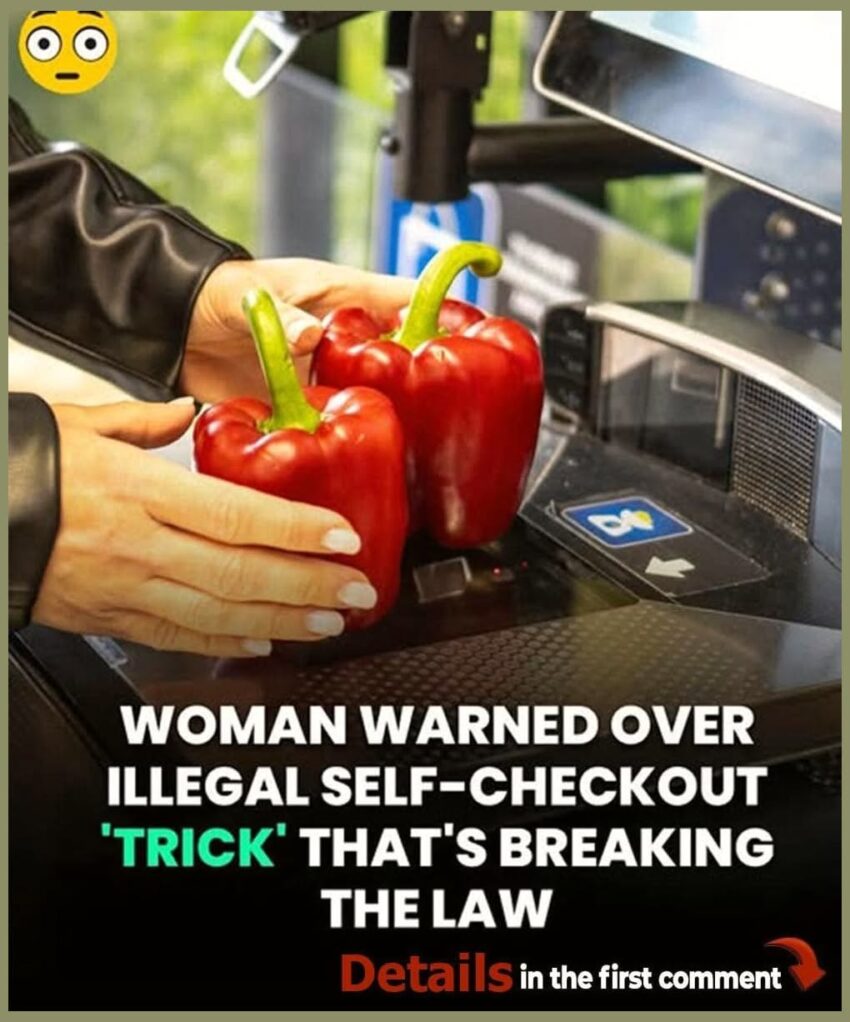
The “Banana Trick” and Other Clever Ways Self-Checkout Theft Happens
Meta Description: Self-checkout systems can be vulnerable to different forms of theft, from incorrect produce selections to missed scans. Learn how retailers detect these behaviors and why they can lead to serious consequences.
Self-checkout lanes were designed to make shopping faster and more convenient. Instead of waiting for a cashier, customers can scan their own purchases, pay, and leave.
But the technology has also created new opportunities for retail theft and accidental scanning errors.
One commonly discussed example online is the so-called “banana trick,” a phrase sometimes used to describe deliberately entering an incorrect produce selection at a self-checkout. While the exact method varies, the basic problem is the same: a shopper intentionally misrepresents an item to pay less than its actual price.
However, this is only one category of self-checkout fraud.
Why Self-Checkout Can Be Vulnerable
Traditional checkout systems involve a cashier who visually handles and scans merchandise.
Self-checkout shifts much of that responsibility to the customer.
Modern systems attempt to compensate through:
- Cameras
- Weight sensors
- Barcode scanners
- Artificial intelligence
- Staff monitoring
- Transaction analysis
- Receipt checks
These technologies can identify unusual behavior even when an employee does not immediately notice what happened.
Common Types of Self-Checkout Theft
1. Incorrect Produce Identification
Fruits and vegetables that are priced by weight or selected from a produce menu can create opportunities for intentional mislabeling.
A shopper may deliberately identify an item incorrectly in an attempt to pay less.
Retailers increasingly monitor produce transactions and may compare the selected product with camera images or other information.
2. Items Left Unscanned
Another form of theft occurs when merchandise passes through the checkout process without being properly recorded.
Sometimes this genuinely happens by accident. A barcode may fail to scan, or an item may be placed in a bag before the customer notices that it was never registered.
Deliberately allowing merchandise to remain unscanned, however, can constitute theft.
3. Barcode or Label Manipulation
Changing or misusing price labels or barcodes is another form of retail fraud.
Even when the checkout system accepts a barcode, retailers may have systems designed to detect unusual pricing patterns or discrepancies.
4. Multiple Items Being Miscounted
Self-checkout systems rely on customers accurately scanning the number of items they purchase.
Intentionally recording fewer items than are actually taken is another form of theft.
Again, this can also happen accidentally, which is why customers should check the screen before completing payment.
How Stores Detect Suspicious Transactions
Retailers are not necessarily relying on one technology.
Many stores combine several systems to identify unusual transactions.
Cameras
Cameras may record the checkout area and can help employees review what happened during a transaction.
Weight Sensors
Some self-checkout machines compare the expected weight of scanned merchandise with the weight placed in the bagging area.
A mismatch may trigger an alert.
Transaction Data
Retailers can analyze patterns across large numbers of transactions. Repeated unusual activity can attract additional attention.
Staff Monitoring
Employees stationed near self-checkout areas can respond when machines produce alerts or when they observe suspicious behavior.
Not Every Error Is Theft
This is an important distinction.
Self-checkout machines can be confusing, especially when produce requires manual selection or when a barcode does not scan properly.
A customer might accidentally select the wrong item, forget to scan something, or misunderstand an on-screen instruction.
That doesn’t automatically mean the person intended to steal.
If you notice an error, the safest approach is simply to tell the employee before completing the transaction or leaving the store.
Why “Small” Theft Can Have Big Consequences
Someone might think that misrepresenting a low-cost item is harmless because the price difference is small.
But intentionally obtaining merchandise for less than its actual price can still be treated as theft.
Depending on local law and the circumstances, consequences can include being stopped by store security, being banned from the store, repayment of losses, or criminal or civil action.
The potential consequences can be far greater than the amount someone originally tried to save.
How Shoppers Can Avoid Accidental Problems
If you regularly use self-checkout, a few simple habits can reduce mistakes:
- Watch the screen as every item is scanned.
- Check that produce selections are correct.
- Make sure every item appears in your transaction.
- Ask an employee for help when a barcode will not scan.
- Review the receipt before leaving.
- Report obvious checkout errors rather than ignoring them.
These steps protect both shoppers and retailers.
The Bigger Self-Checkout Debate
Self-checkout technology continues to generate debate among retailers and customers.
Supporters say it can reduce waiting times and give shoppers more control over the checkout process.
Critics argue that self-checkout can increase errors, create frustration, and make certain forms of theft easier.
As retailers introduce better cameras, computer vision, weight detection, and transaction monitoring, the technology is also evolving in response.
The Bottom Line
The so-called “banana trick” is only one example of how self-checkout systems can be exploited. Other problems include deliberately missed scans, incorrect product selections, and manipulation of prices or quantities.
But explaining these methods in detail isn’t necessary to understand the issue.
The important lesson for shoppers is simple: check your transaction carefully, correct mistakes, and ask an employee for help when something goes wrong.
What may look like a harmless checkout shortcut can have much more serious consequences when it is intentional.