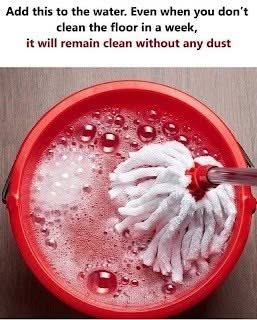
Want cleaner-looking floors with less dust between mopping days? Discover a simple mop-water trick, how it works, which floors need special care, and the mistakes to avoid.
What if one small change to your mop water could help your floors stay cleaner-looking for longer?
A popular home-cleaning trick involves adding a small amount of white vinegar to mop water. Vinegar can help cut through certain residues and leave some washable hard floors looking fresh and clean.
But there’s an important detail: no mop-water mixture can realistically prevent dust from settling on a floor for an entire week. Dust will continue to enter your home through doors, windows, clothing, pets, and normal household activity.
Still, using the right cleaning method can help reduce residue and make floors easier to maintain.
Why Do Floors Seem to Get Dusty So Quickly?
Even after you’ve just cleaned, tiny particles can quickly settle back onto the floor.
Household dust can contain:
- Fabric fibers
- Skin cells
- Outdoor soil
- Pollen
- Hair
- Pet dander
- Tiny particles brought in from outside
Walking across a floor can also move these particles around, making the surface appear dusty again.
That’s why the goal shouldn’t be to create a magical “dust-proof” floor. Instead, focus on removing dirt without leaving behind unnecessary residue.
The Simple Mop-Water Trick
For appropriate washable, sealed floors, you can try adding a small amount of white vinegar to warm water.
A simple mixture is:
- 1 gallon (about 3.8 liters) of warm water
- ½ cup of white vinegar
Dip your mop into the solution and wring it out well before cleaning.
You don’t want the floor soaking wet. Excess water can damage some flooring materials and may leave streaks.
Why Vinegar Can Help
Vinegar contains acetic acid, which can help dissolve certain mineral deposits and residues.
When used appropriately, it can be useful for cleaning some hard, sealed surfaces.
However, vinegar isn’t a universal floor cleaner.
Avoid vinegar on:
- Unsealed natural stone
- Marble
- Limestone
- Travertine
- Other acid-sensitive surfaces
- Floors where the manufacturer specifically advises against acidic cleaners
Acidic cleaners can damage or dull some stone surfaces.
If you’re unsure, check your flooring manufacturer’s cleaning instructions first.
The Secret Isn’t Just What’s in the Bucket
One of the biggest differences between a floor that stays cleaner-looking and one that becomes dusty quickly is how you clean it.
Using too much cleaning product can leave a sticky or cloudy residue. That residue can attract and hold onto dirt.
More cleaner does not necessarily mean cleaner floors.
Use the recommended amount of product, rinse your mop properly, and avoid leaving excess water behind.
Start With Dry Dusting
Before mopping, remove loose dust, hair, and crumbs.
Use a microfiber dust mop, vacuum cleaner, or soft broom.
If you mop a heavily dusty floor first, the dust can become wet and turn into a dirty film that gets pushed around.
Removing loose debris first makes the wet-cleaning step much more effective.
Don’t Use a Dirty Mop
A dirty mop can spread more dirt than it removes.
Rinse the mop frequently, especially when cleaning large areas.
If your mop head is washable, clean it thoroughly after use and allow it to dry completely before storing it.
A damp mop left sitting in a bucket can also develop an unpleasant smell.
How to Make Your Floors Stay Cleaner Longer
If you want to reduce how quickly dust builds up, combine good cleaning habits with a few simple household changes.
Use Doormats
Place mats at entrances to help capture dirt before it gets onto your floors.
Remove Shoes Indoors
Shoes can bring outdoor soil and particles into the house.
Vacuum or Dust Regularly
Instead of waiting until the floor looks dirty, quickly remove loose dust every few days.
Keep Entryways Clean
A surprising amount of household dirt enters through the main entrance.
Don’t Overuse Cleaning Products
Too much soap or floor cleaner can leave residue that makes surfaces look dull and may attract additional dirt.
Can This Really Keep Floors Dust-Free for Seven Days?
Not completely.
There is no realistic mop-water ingredient that can guarantee dust-free floors for an entire week.
However, proper dust removal, minimal residue, clean tools, and good entryway habits can make your floors stay fresh-looking longer between deep cleans.
That’s a much more realistic—and useful—goal.
A Simple Weekly Cleaning Routine
For busy households, try this routine:
Daily or every other day:
Quickly sweep, vacuum, or dry-mop high-traffic areas.
Once or twice a week:
Wet-mop the floors using a suitable cleaner for your flooring type.
Regularly:
Wash microfiber mop heads and clean entrance mats.
This approach can reduce the amount of heavy cleaning required later.
One Important Safety Rule
Never mix vinegar with bleach or bleach-containing cleaning products. Mixing cleaning chemicals can create dangerous fumes.
When switching between cleaning products, follow the label instructions and keep the area well ventilated.
Final Thoughts
Adding a little white vinegar to mop water can be useful for certain sealed, washable floors, but it isn’t a magic formula that makes floors dust-free for seven days.
The real secret is simpler: remove loose dust first, avoid excessive cleaning products, use a clean mop, and choose a cleaner that’s appropriate for your specific flooring.
Those small habits can make a noticeable difference—and may help you spend less time fighting dusty floors.
If you enjoy clever household tips, simple cleaning ideas, and delicious recipes, leave a “Thank you” in the comments so I know to keep sharing more! ❤️