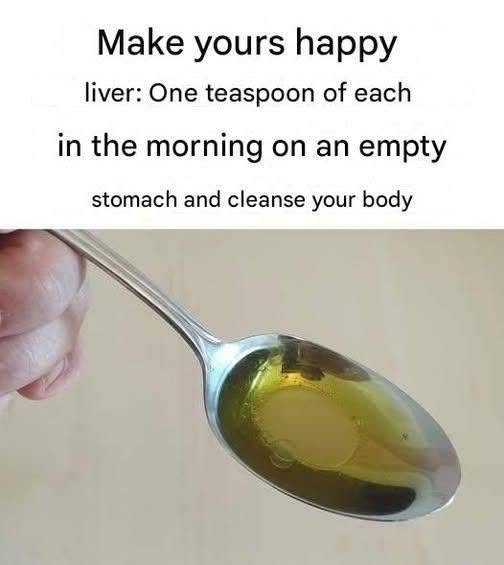
You may have seen health advice recommending one teaspoon of a certain ingredient every morning on an empty stomach to “cleanse the liver,” remove toxins, and rejuvenate the body.
Your Liver Already Has a Detoxification System
Your liver is one of the body’s most important organs. It processes nutrients, helps metabolize medications and other substances, produces bile, and plays a major role in processing substances that the body needs to remove.
This means your liver doesn’t need a special morning drink to start working.
There is no strong evidence that a teaspoon of a particular food or household ingredient can “flush toxins” from a healthy liver.
What Does “Liver Detox” Actually Mean?
The word detox is often used in wellness marketing, but it can be misleading.
Your body is continuously processing and eliminating substances through organs including the liver and kidneys. Simply drinking a homemade mixture doesn’t necessarily accelerate this process.
Some foods and nutrients can certainly support overall health, but that is very different from claiming that one ingredient can cleanse the liver.
Is Taking One Teaspoon on an Empty Stomach Better?
Not necessarily.
Whether a food or supplement is taken before breakfast, after breakfast, or with a meal depends on what it is and how it affects the body.
For some substances, taking them on an empty stomach can actually cause stomach irritation, nausea, or other unwanted effects.
So the phrase “one teaspoon every morning on an empty stomach” should not automatically be interpreted as a healthier routine.
How Can You Actually Support Liver Health?
Instead of searching for a single detox ingredient, focus on habits that are supported by evidence.
Eat a Balanced Diet
A diet containing vegetables, fruits, whole grains, legumes, lean proteins, and appropriate amounts of healthy fats can support overall health.
Limiting excessive added sugar and highly processed foods can also help with maintaining a healthy weight.
Maintain a Healthy Weight
Excess body weight—particularly excess abdominal fat—is associated with an increased risk of metabolic dysfunction-associated steatotic liver disease (MASLD), formerly called non-alcoholic fatty liver disease.
Gradual, sustainable weight loss can be beneficial for people who have excess weight and fatty liver disease.
Exercise Regularly
Physical activity supports metabolic health and can help reduce excess body fat.
You don’t need a complicated workout program. Walking, cycling, swimming, and resistance training can all be useful ways to stay active.
Be Careful With Alcohol
Excessive alcohol consumption can damage the liver. If you drink alcohol, staying within recommended limits—or avoiding it altogether—is an important consideration for liver health.
Don’t Overuse Supplements or Medications
“Natural” does not automatically mean safe.
Some supplements and herbal products can cause liver injury, particularly when taken in high doses or combined with other substances.
If you take medications or supplements regularly, discuss them with a healthcare professional rather than assuming they are harmless because they are marketed as natural.
So, What’s the Best Morning Detox?
There isn’t a magic teaspoon.
A glass of water, a nutritious breakfast if you enjoy eating in the morning, regular physical activity, adequate sleep, and a balanced diet are much more realistic ways to support your overall health.
Your liver is already working around the clock.
Instead of trying to “cleanse” it with a miracle ingredient, give it what it actually needs: healthy habits, appropriate nutrition, and fewer things that can cause harm.
Important Note
This article is for general educational purposes and does not replace medical advice. If you have liver disease, abnormal liver tests, or take medications regularly, speak with a qualified healthcare professional before starting a detox regimen or supplement.