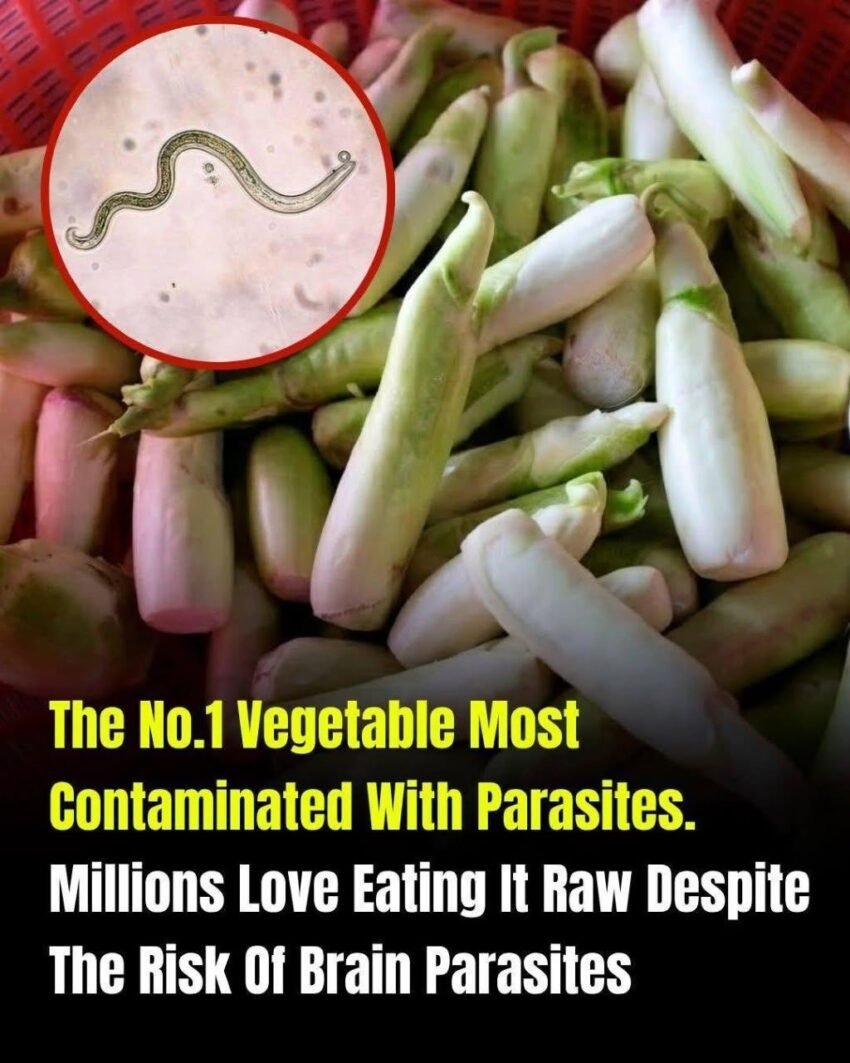
Learn which vegetables can carry parasites, how contamination happens, which foods are higher risk, and the safest ways to wash and prepare fresh produce.
Fresh vegetables are an important part of a healthy diet, but raw produce can sometimes become contaminated with parasites, bacteria, or other microorganisms. The risk is generally higher when vegetables are grown or washed with contaminated water, exposed to contaminated soil or animal waste, or handled improperly after harvesting.
Which Vegetable Is Most Associated With Parasite Risk?
There is no reliable worldwide ranking showing that one specific vegetable is always the “most parasite-contaminated.” However, raw leafy greens and vegetables eaten without cooking can deserve particular attention because they may be difficult to clean thoroughly.
Examples include:
- Lettuce
- Spinach
- Cilantro and other fresh herbs
- Parsley
- Cabbage
- Raw salad vegetables
- Other leafy greens eaten uncooked
These foods can come into contact with contaminated soil or water during growing, harvesting, transportation, or preparation.
How Can Vegetables Become Contaminated?
Parasites can reach fresh produce through several routes.
1. Contaminated Water
Irrigation or washing water contaminated with human or animal fecal matter can introduce parasites onto vegetables.
2. Contaminated Soil
Some parasites can survive in soil. Produce that grows close to the ground or comes into contact with contaminated soil may therefore be exposed.
3. Animal Waste
Manure and other animal waste can introduce infectious organisms into agricultural environments when not properly managed.
4. Handling
Even produce that was initially clean can become contaminated during harvesting, transportation, storage, or preparation.
Does Washing Vegetables Remove Parasites?
Washing fresh produce under clean running water can reduce dirt and some microorganisms on the surface, but washing cannot guarantee that every parasite or microorganism has been removed.
For leafy vegetables, separate the leaves and rinse them thoroughly. Avoid using soap, bleach, or household cleaning products on food.
Cooking is generally more effective at destroying many infectious organisms than simply washing raw produce.
Who Should Be Especially Careful?
Foodborne infections can be more serious for certain people, including:
- Young children
- Older adults
- Pregnant people
- People with weakened immune systems
These individuals should take extra care with food hygiene and follow guidance from local health authorities.
How to Reduce the Risk
You can lower the risk of foodborne illness by:
- Washing your hands before preparing food.
- Rinsing fresh vegetables thoroughly under clean running water.
- Removing damaged or bruised portions.
- Keeping raw produce away from raw meat and poultry.
- Using clean knives, cutting boards, and utensils.
- Refrigerating perishable produce appropriately.
- Cooking vegetables when appropriate, particularly when contamination is a concern.
Final Takeaway
Rather than labeling one vegetable as the “most parasite-contaminated,” it is more accurate to say that raw leafy greens and other uncooked produce can carry foodborne parasites when contaminated during production or handling.
Good agricultural practices, clean water, proper food handling, thorough washing, and appropriate cooking are the best ways to reduce the risk.