When a loved one passes away, going through their belongings can uncover some fascinating pieces of the past. From unusual kitchen utensils to decorative collectibles, older homes often contain objects that no one in the family remembers using.
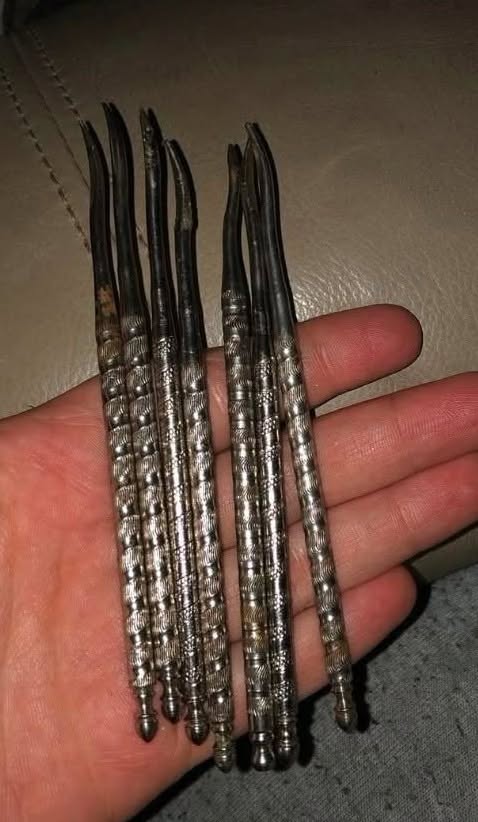
Recently, someone discovered a set of unfamiliar items among his grandparents’ belongings. Unsure what they were, he wondered whether they might be vintage cocktail stirrers.
It is an interesting possibility, especially if the objects are long, slender, and decorated with distinctive handles. However, without seeing the items, it is impossible to identify them confidently.
Could They Be Vintage Cocktail Stirrers?
Vintage cocktail stirrers were commonly used to mix drinks in bars, restaurants, and private homes. Some were simple glass or metal rods, while others featured decorative tops made from plastic, Bakelite, glass, or other materials.
Depending on their age and design, cocktail accessories can feature unusual shapes, colorful patterns, miniature figures, or branded decorations.
Collectors may be interested in older examples, particularly those associated with recognizable brands, historic hotels, restaurants, or advertising campaigns.
What Else Could They Be?
If the objects do not quite resemble modern cocktail stirrers, several other possibilities are worth considering:
- Vintage swizzle sticks: Similar to cocktail stirrers, these were designed to mix drinks and sometimes featured elaborate decorative tops.
- Olive or appetizer picks: Short decorative picks were used to serve olives, cherries, and other cocktail garnishes.
- Barware accessories: Some unusual utensils were designed for specific drinks or serving traditions.
- Decorative collectibles: Certain objects were produced as souvenirs, promotional items, or novelty gifts.
- Specialized household tools: Older homes sometimes contain small utensils whose original purposes are no longer obvious.
Their material, length, shape, markings, and overall construction would help narrow down the possibilities.
Could They Be Valuable?
Possibly, but age alone does not establish value. The maker, rarity, condition, material, and demand among collectors all matter.
Before cleaning, polishing, or attempting to restore the objects, it is best to examine them carefully. Original markings, packaging, and signs of age can sometimes help with identification.
If they are made from an unfamiliar material, avoid aggressive cleaning until the material has been identified.
How Can You Identify Them?
The easiest next step is to take clear photographs of the objects from several angles. Include a close-up of any decorative handles, logos, stamps, or lettering, along with a photograph showing their size beside a ruler.
If you upload a photo of the objects, I can help identify what they most likely are, explain how they were used, and assess whether they might have collectible value.