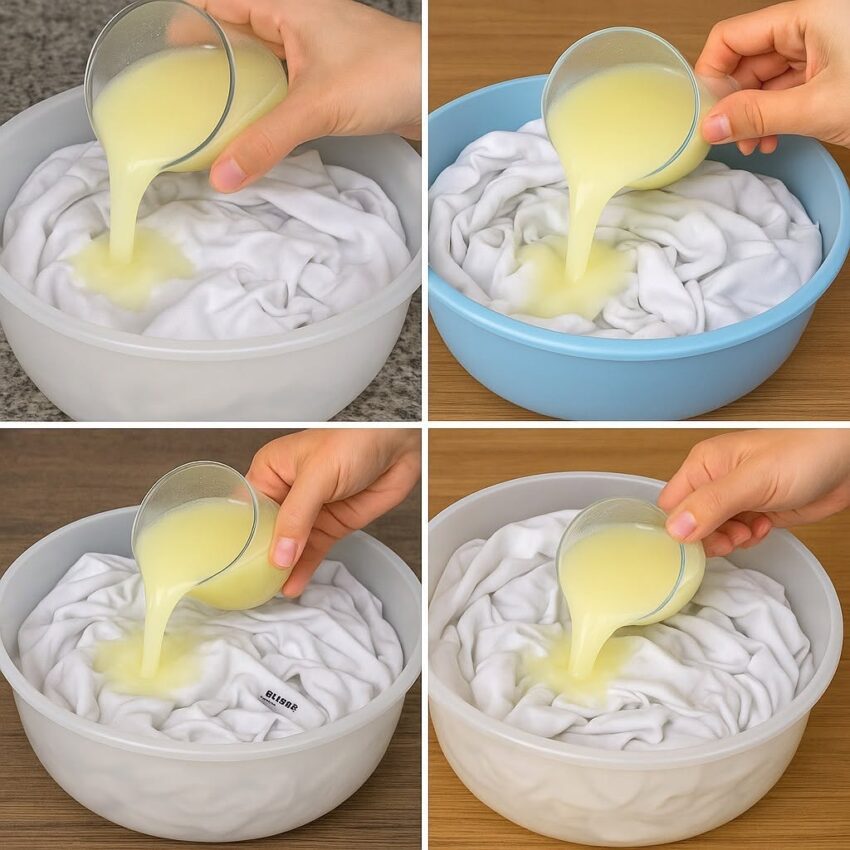
Learn how to keep white clothes bright in the washing machine without bleach. Discover practical laundry tips, common mistakes to avoid, and safer ways to remove dullness and everyday stains.
White clothes look fresh, clean, and elegant when they are bright and free from stains. Unfortunately, after repeated washing, white shirts, towels, bedsheets, and other fabrics can begin to look gray, yellow, or dull. Even when clothes smell clean, they may no longer have that crisp white appearance they had when they were new.
Many people immediately reach for chlorine bleach to solve the problem. However, bleach is not always the best option. Depending on the fabric and how it is used, it can weaken fibers, damage elastic, cause yellowing, or create unwanted discoloration.
The good news is that you can often improve the appearance of white laundry by adjusting your washing routine, using the right detergent, and choosing suitable laundry boosters.
Why Do White Clothes Become Dull or Yellow?
Before trying to restore your whites, it helps to understand why they lose their brightness in the first place.
Several common laundry habits can contribute to the problem.
1. Using too much detergent
It may seem logical that more detergent will produce cleaner clothes, but excessive detergent can leave residue behind. This residue may trap dirt and make white fabrics appear dull.
2. Overloading the washing machine
When the drum is packed too tightly, clothes have less room to move. Detergent and water may not circulate effectively, leaving some areas inadequately cleaned.
3. Washing whites with colored clothes
Dyes from darker or brightly colored fabrics can transfer to white garments, gradually making them look gray or discolored.
4. Sweat and body oils
Sweat, deodorant, body oils, and everyday dirt can accumulate around collars, cuffs, and underarms. Over time, these residues may create yellowish marks.
5. Hard water and detergent buildup
Minerals in hard water can interfere with cleaning and contribute to residue on fabrics. A washing machine that needs cleaning may also leave clothes less fresh.
Identifying the cause is the first step toward keeping whites brighter for longer.
1. Choose the Right Laundry Detergent
One of the easiest ways to improve white laundry is to use a detergent designed for the type of washing you do.
Some detergents formulated for white fabrics contain optical brighteners, which make fabrics appear brighter by changing how they reflect visible light. These ingredients do not actually remove every stain, but they can improve the visual appearance of suitable fabrics.
Follow the dosage instructions on the packaging and adjust the amount according to the load size, soil level, and water hardness.
Avoid adding extra detergent simply because clothes look dull. If residue is the problem, using more detergent may make it worse.
2. Try Oxygen Bleach Instead of Chlorine Bleach
If your goal is to brighten white clothes without using traditional chlorine bleach, an oxygen-based laundry whitener may be an option.
Many oxygen bleach products contain sodium percarbonate, which releases hydrogen peroxide when dissolved in water. Depending on the formulation, these products can help remove certain organic stains and improve the appearance of washable fabrics.
To use an oxygen bleach product safely:
- Check the garment’s care label.
- Read the product instructions carefully.
- Measure the recommended amount.
- Add it as directed for your washing machine and load size.
- Wash at the temperature recommended for the fabric.
Oxygen bleach is generally less harsh on many fabrics than chlorine bleach, but it is not suitable for every garment. Some wool, silk, delicate fabrics, and colored materials may be damaged or discolored.
Always check the label and test an inconspicuous area when appropriate.
3. Use Baking Soda Carefully
Baking soda is a common household ingredient used in some laundry routines. It can help with certain odors and may affect the washing water’s alkalinity, depending on the amount and water conditions.
However, baking soda is not a powerful whitening agent, and there is limited evidence that adding it to every load will restore heavily yellowed clothes.
If you want to try it, use a modest amount and check your washing machine manufacturer’s recommendations. Avoid combining random quantities of different cleaning products in the detergent drawer.
For stubborn stains, a laundry product specifically formulated for stain removal is often more effective than relying on baking soda alone.
4. Pre-Treat Yellow Stains Before Washing
Yellow marks around collars, cuffs, and underarms may need targeted treatment rather than another full wash.
Start by checking the garment’s care label. Apply a suitable liquid laundry detergent or fabric-safe stain remover to the affected area, following the product instructions.
Allow the recommended contact time, then wash the garment as usual.
Avoid scrubbing delicate fabrics aggressively because friction can damage fibers or change the surface texture.
If a stain remains after washing, inspect it before putting the garment in a dryer. Heat can make some stains more difficult to remove.
5. Do Not Overload the Washing Machine
A washing machine needs enough room for clothes to move through the water and detergent.
When the drum is overloaded, some garments may not become thoroughly clean. Dirt and detergent residues can remain trapped between fabrics, making whites look less bright.
A better approach is to load the machine according to the manufacturer’s capacity recommendations. Separate heavily soiled laundry from lightly soiled garments when necessary.
Also make sure you are using the correct wash cycle for the type of fabric. Cotton towels, delicate blouses, and synthetic sportswear may require different settings.
6. Use the Correct Water Temperature
Hotter water is not always better for white clothes.
Some cotton items, such as towels and certain bedsheets, can tolerate warmer washing temperatures. Other garments may shrink, lose their shape, or become damaged if washed too hot.
Check the care label before selecting the temperature.
For everyday laundry, the detergent’s instructions and the garment’s care label should guide your choice. A suitable detergent and correct washing cycle can often clean clothes effectively without unnecessarily high temperatures.
7. Take Advantage of Sunlight When Appropriate
Air-drying white cotton garments outdoors can help them feel fresh, and sunlight may gradually reduce the appearance of some stains through natural photochemical processes.
However, sunlight is not a guaranteed replacement for a proper laundry whitener. Strong or prolonged exposure may weaken some fibers, fade printed details, or damage delicate fabrics.
Turn garments inside out when appropriate, avoid leaving them outdoors for excessive periods, and follow the care label.
For delicate fabrics or items that are prone to fading or damage, drying in a shaded, well-ventilated place may be preferable.
8. Keep Your Washing Machine Clean
Residue from detergent, fabric softener, dirt, and moisture can accumulate inside a washing machine over time.
To help prevent this:
- Clean the detergent drawer regularly.
- Inspect and clean the door seal on front-loading machines.
- Follow the manufacturer’s instructions for cleaning the drum.
- Remove wet clothes promptly after a cycle.
- Leave the door open when appropriate to allow the machine to dry.
A clean machine helps prevent unwanted odors and reduces the chance of residue transferring to freshly washed clothes.
Laundry Products You Should Never Mix Casually
When trying different methods to brighten white clothes, safety matters.
Never mix chlorine bleach with vinegar, ammonia, toilet cleaners, or other cleaning products. Dangerous gases or other hazardous reactions can occur.
Do not assume that combining several household ingredients will make a stronger or safer whitening solution. Use one appropriate laundry product at a time according to its label.
Keep laundry chemicals away from children, store them in their original containers, and avoid transferring them into drinking bottles or food containers.
A Simple Routine for Brighter White Clothes
For everyday laundry, follow this straightforward process:
- Separate white garments from colored laundry.
- Check pockets and inspect clothes for visible stains.
- Pre-treat stained areas with a suitable laundry product.
- Measure the correct amount of detergent.
- Add an oxygen-based whitener if needed and if the fabric permits it.
- Avoid overloading the drum.
- Select the recommended wash cycle and temperature.
- Remove clothes promptly and dry them according to their care labels.
This routine can help prevent many of the common causes of dullness without depending on chlorine bleach for every wash.
Final Thoughts
Keeping white clothes bright does not necessarily require harsh chlorine bleach. The most effective approach is often a combination of proper detergent use, stain pre-treatment, appropriate washing temperatures, a clean washing machine, and enough space for clothes to move freely.
Oxygen-based laundry whiteners may help with certain stains and dullness, while careful drying and good washing habits can help preserve the appearance of white fabrics over time.
Remember that not every yellow or gray garment can be restored completely. Some discoloration results from permanent dye transfer, fiber aging, chemical damage, or stains that have already set.
The secret to brighter whites is not one magical ingredient. It is choosing the right products for your fabric and avoiding laundry habits that gradually damage or dull your clothes.