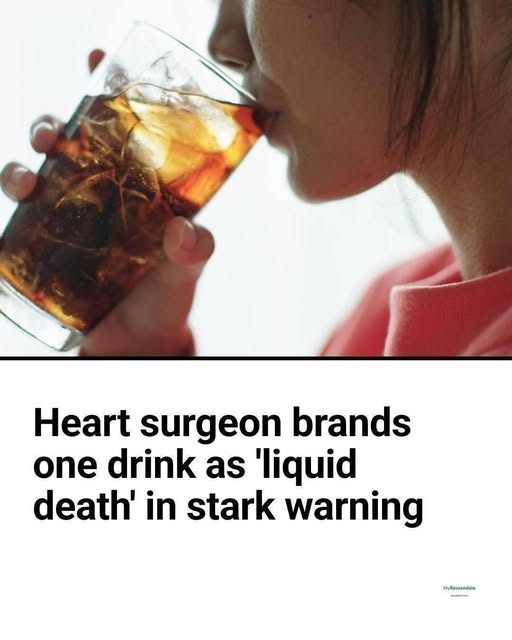
A heart surgeon explains how certain drinks may affect cardiovascular health, from added sugar and excess calories to alcohol and high caffeine intake. Learn which beverages deserve caution and what healthier choices may support your heart.
A Heart Surgeon Warns: Certain Drinks May Pose Risks to Your Cardiovascular Health
We often think about heart health in terms of food, exercise, cholesterol, and blood pressure. But what you drink every day can also influence cardiovascular health.
Some beverages contain large amounts of added sugar, while others may contribute significant calories or provide stimulants that can affect heart rate and blood pressure. Drinking them occasionally is different from consuming them regularly, but frequent intake can become part of a less heart-friendly lifestyle.
1. Sugary Soft Drinks
Regular sodas and other sugar-sweetened beverages can contain substantial amounts of added sugar.
Frequent consumption may contribute to excess calorie intake, weight gain, and poorer blood-sugar control. Over time, these factors can increase cardiovascular risk.
Choosing water or an unsweetened beverage instead can be a simple way to reduce added sugar.
2. Energy Drinks
Energy drinks can contain considerable amounts of caffeine and other stimulants.
For some people, particularly those who are sensitive to caffeine or already have cardiovascular problems, large amounts may cause temporary increases in heart rate or blood pressure.
This does not mean every energy drink will cause a heart problem, but frequent or excessive consumption deserves caution.
3. Alcoholic Beverages
Alcohol can affect cardiovascular health in several ways, particularly when consumed heavily or regularly.
Excessive alcohol intake can contribute to high blood pressure and other heart-related problems. Some people may also experience abnormal heart rhythms after drinking.
If you drink alcohol, moderation is important, and people who do not drink do not need to start drinking for supposed heart-health benefits.
4. Sweetened Coffee Drinks
Coffee itself can fit into a healthy diet for many people. The bigger concern can be what is added to it.
Large specialty coffee beverages may contain substantial amounts of:
- Added sugar
- Syrups
- Cream
- Whipped toppings
- Calories
Having these drinks occasionally is different from consuming them every day.
5. High-Caffeine Beverages
Caffeine affects people differently. Some individuals may experience temporary increases in blood pressure, palpitations, anxiety, or difficulty sleeping after consuming large amounts.
If you notice a racing or irregular heartbeat after consuming caffeinated beverages, discuss it with a healthcare professional.
What Should You Drink Instead?
For everyday hydration, water is one of the simplest choices. Unsweetened tea and moderate amounts of coffee can also fit into many people’s diets.
The goal isn’t necessarily to eliminate every beverage you enjoy. Instead, pay attention to how frequently you consume sugary, alcoholic, or highly caffeinated drinks and how much you drink at a time.
Don’t Ignore Your Overall Heart Health
No single beverage determines whether someone will develop heart disease. Cardiovascular risk depends on many factors, including blood pressure, cholesterol, smoking, physical activity, diet, sleep, age, family history, and existing medical conditions.
If you experience chest pressure or pain, severe shortness of breath, fainting, or a sudden irregular heartbeat with other concerning symptoms, seek urgent medical attention rather than assuming a drink is responsible.
The Bottom Line
Your daily beverage choices can quietly add sugar, calories, alcohol, or caffeine to your diet. Making water and other unsweetened drinks your regular choices can be a practical step toward a heart-friendly lifestyle.
And remember: a warning about a particular drink should not be interpreted as proof that it directly causes heart disease. Moderation, overall dietary patterns, and individual health circumstances matter.