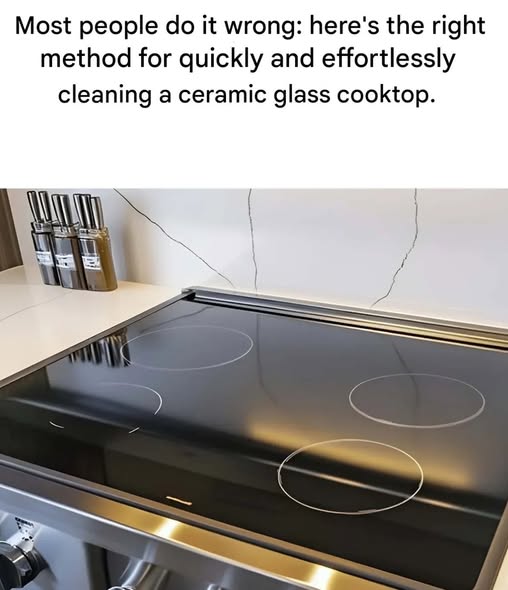
Learn how to clean a ceramic glass cooktop effectively without scratching it. Discover safe cleaning methods, useful household ingredients, and mistakes to avoid for a spotless, shiny surface.
How to Effectively Clean Ceramic Glass Cooktops Without Scratching Them
A ceramic glass cooktop can make a kitchen look sleek and modern, but keeping that smooth surface clean can sometimes be frustrating. Burnt food, grease, water spots, and spills can quickly leave behind stubborn marks.
The good news is that you don’t need harsh scrubbing or abrasive powders to get your cooktop looking clean again. With the right technique and a little patience, you can remove everyday grime while protecting the glass surface.
What You’ll Need
- A soft microfiber cloth
- Warm water
- Mild dish soap
- A non-abrasive cooktop cleaner
- A soft sponge
- A cooktop scraper designed specifically for glass cooktops, when appropriate
Avoid anything that can create tiny scratches on the surface.
1. Let the Cooktop Cool Completely
Before cleaning, make sure the cooktop is switched off and completely cool.
Cleaning a hot surface can cause cleaning products to dry too quickly and may increase the risk of burns. Always follow the manufacturer’s instructions for your particular cooktop.
2. Remove Loose Crumbs and Food
Use a dry microfiber cloth to gently remove loose crumbs, dust, and other debris.
Don’t drag hard pieces of food across the glass because they can potentially scratch the surface.
3. Start With Warm Water and Dish Soap
For ordinary grease and food residue, you may not need anything complicated.
Add a small amount of mild dish soap to warm water. Dip a soft cloth or non-abrasive sponge into the solution and gently wipe the cooktop.
Allow stubborn residue to soften for a few minutes rather than immediately scrubbing harder.
4. Tackle Burnt-On Food Carefully
Burnt residue may require a little more patience.
Place a warm, damp microfiber cloth over the affected area for several minutes. This can help soften the residue.
For particularly stubborn deposits, use a cooktop scraper specifically designed for ceramic or glass cooktops, holding it according to the manufacturer’s directions. Avoid using knives, razor blades not approved for the appliance, or other sharp objects.
5. Use a Cooktop Cleaner for Stubborn Grease
A cleaner specifically formulated for ceramic glass cooktops can help remove baked-on grease and leave the surface polished.
Apply a small amount according to the product directions, then wipe with a soft cloth.
You don’t need to use excessive amounts of cleaner.
6. Wipe Away All Residue
Once the stains have been removed, wipe the entire surface with a clean, damp microfiber cloth.
This removes leftover soap or cleaning product.
Then use a dry microfiber cloth to buff the surface gently until it is clean and streak-free.
What Should You Avoid?
The wrong cleaning tools can cause permanent scratches or damage.
Avoid:
- Steel wool
- Abrasive scouring pads
- Powdered abrasive cleaners
- Rough scrub brushes
- Knives or unsuitable blades
- Scrubbing aggressively with dried food
- Dragging heavy cookware across the surface
Also avoid pouring large amounts of cold water onto a hot cooktop.
What About Baking Soda?
Baking soda is often recommended as a homemade cleaning solution, but abrasive powders can potentially scratch some ceramic glass surfaces, especially when rubbed aggressively.
If your appliance manufacturer recommends a particular cleaning method, follow those instructions rather than relying on a generic DIY recipe.
A Simple Daily Cleaning Routine
The easiest way to keep a ceramic cooktop looking new is to clean small spills before they become baked-on stains.
After the surface has cooled:
- Remove loose debris.
- Wipe with warm soapy water.
- Rinse with a clean damp cloth.
- Dry with microfiber.
- Polish gently if needed.
Regular light cleaning is much safer than waiting until layers of burnt-on residue require aggressive scrubbing.
Final Tip
The secret to cleaning a ceramic glass cooktop isn’t scrubbing harder—it’s using the right tools and giving stubborn residue time to loosen.
A soft microfiber cloth, mild cleaner, and a cooktop-safe scraper when necessary can help keep the surface smooth, clean, and shiny without unnecessary scratching.