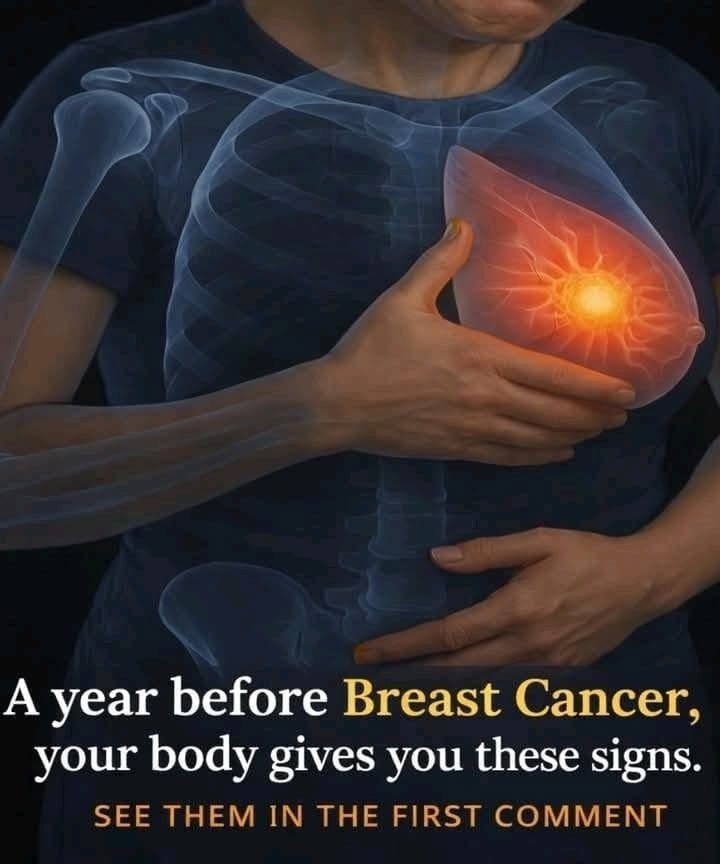
Learn about common breast cancer symptoms, including breast lumps, nipple changes, skin changes, swelling, and unusual discharge, and when to see a doctor.
Breast cancer is one of the most common cancers affecting women, although it can also occur in men. Recognizing possible warning signs and understanding changes in your breasts can help you seek medical attention promptly.
It is important to remember that having one or more of these symptoms does not necessarily mean you have breast cancer. Many breast changes are caused by non-cancerous conditions. However, any new, unusual, or persistent change should be discussed with a qualified healthcare professional.
What Is Breast Cancer?
Breast cancer develops when abnormal cells in the breast grow and multiply uncontrollably. These cells can form a tumor and, in some cases, spread to nearby lymph nodes or other parts of the body.
Breast cancer can develop in different areas of the breast, including the milk ducts and milk-producing lobules. Because different types of breast cancer can behave differently, symptoms can vary from person to person.
Some people may notice a physical change, while others may have no obvious symptoms, particularly in the early stages. This is why recommended breast screening and medical evaluation are important.
Common Symptoms of Breast Cancer
1. A New Lump or Mass in the Breast
A new lump in the breast is one of the most commonly recognized signs of breast cancer.
A cancerous lump may feel hard, irregular, or different from the surrounding breast tissue. However, breast cancers can also feel soft, round, or tender, so you cannot determine whether a lump is cancerous simply by touching it.
Breast lumps can also result from benign conditions such as cysts or fibroadenomas.
If you discover a new lump, particularly one that persists, arrange an evaluation with a healthcare professional.
2. A Lump or Swelling Under the Arm
Breast tissue extends toward the armpit, and breast cancer can sometimes affect lymph nodes in the underarm area.
You may notice:
- A new lump under the arm
- Swelling around the armpit
- A feeling of fullness or thickening
- Enlarged lymph nodes
An underarm lump has many possible causes, including infections and other conditions, so it does not automatically indicate breast cancer.
3. Changes in Breast Size or Shape
A noticeable change in the size, contour, or shape of one breast can sometimes be a warning sign.
For example, you may notice that:
- One breast looks different from the other
- Part of the breast appears swollen
- The breast seems to have changed shape without an obvious reason
- A particular area appears pulled inward
Natural breast asymmetry is common. The concern is generally a new or unexplained change.
4. Skin Dimpling or Puckering
Changes in the skin over the breast can sometimes occur when an underlying tumor affects surrounding tissue.
The skin may develop:
- Dimpling
- Puckering
- Indentation
- A texture resembling the surface of an orange
This appearance is sometimes referred to as peau d’orange, meaning “orange peel” in French.
Although this type of skin change can be associated with breast cancer, it can also have other causes. New skin changes should be medically assessed.
5. Redness, Swelling, or Warmth
Breast cancer can sometimes cause changes in the appearance or temperature of the breast.
You may notice:
- Persistent redness
- Swelling
- Warmth
- Thickening of the skin
- A rapid change affecting part or all of the breast
A rare and aggressive form called inflammatory breast cancer can cause redness, swelling, warmth, and changes in the skin. It may occur without a clearly defined lump.
Because similar symptoms can occur with infections such as mastitis, it is important to seek medical evaluation rather than assuming the cause.
6. Nipple Changes
Changes involving the nipple can sometimes be associated with breast cancer.
Possible changes include:
- A newly inverted nipple
- Nipple pulling inward
- Changes in the direction of the nipple
- Scaling or crusting
- Persistent irritation
- A sore or ulcer that does not heal
Some people naturally have inverted nipples. The important consideration is whether the change is new or different from your normal appearance.
7. Unusual Nipple Discharge
Nipple discharge can occur for many reasons and is not always related to cancer.
However, unexplained discharge—particularly if it occurs without squeezing the nipple—should be evaluated.
Discharge may be concerning when it is:
- Bloody
- Clear and persistent
- Coming from only one breast
- Coming from a single nipple duct
- Associated with a lump or other breast change
Nipple discharge can also result from hormonal changes, medications, pregnancy, breastfeeding, infections, or benign breast conditions.
8. Breast or Nipple Pain
Breast pain is common and, by itself, is usually not a typical sign of breast cancer.
Hormonal fluctuations, menstruation, pregnancy, breastfeeding, injuries, infections, and benign breast conditions can all cause breast discomfort.
Nevertheless, persistent or unexplained pain—especially when accompanied by another breast change—should be discussed with a healthcare professional.
9. Thickening or Swelling in Part of the Breast
Sometimes breast cancer may cause an area of the breast to feel thicker or firmer than usual without producing an obvious lump.
You might notice:
- Localized thickening
- A firm area
- Swelling in part of the breast
- A change in the texture of the breast tissue
If the change is new and does not resolve, medical assessment is appropriate.
Can Breast Cancer Have No Symptoms?
Yes.
Some breast cancers are discovered through screening before a person notices any symptoms. This is one reason screening recommendations are important.
A person should not wait for pain, a lump, or another obvious symptom before discussing appropriate screening with a healthcare professional.
When Should You See a Doctor?
You should consider making a medical appointment if you notice a new, unusual, or persistent breast or underarm change, including:
- A new lump
- A persistent change in breast shape or size
- Skin dimpling or puckering
- Persistent redness or swelling
- A newly inverted nipple
- Unexplained nipple discharge
- A persistent change in breast texture
- An unexplained underarm lump
These symptoms do not necessarily mean cancer. A healthcare professional may perform a clinical breast examination and, depending on your age, symptoms, and medical history, recommend imaging such as a mammogram or ultrasound and, when appropriate, other tests.
How Is Breast Cancer Diagnosed?
Symptoms alone cannot confirm breast cancer.
If a healthcare professional finds a suspicious breast change, the evaluation may involve:
- Medical history and physical examination – Your healthcare professional will ask about your symptoms and examine the breast and surrounding areas.
- Breast imaging – Depending on the situation, this may include diagnostic mammography, ultrasound, or other imaging.
- Biopsy – If imaging identifies a suspicious area, a small tissue sample may be taken for laboratory examination.
- Additional testing – If cancer is diagnosed, additional tests may be performed to determine the type and characteristics of the cancer and help guide treatment.
Breast Cancer Symptoms in Men
Although breast cancer is much less common in men, men can develop it too.
Possible warning signs include:
- A lump or swelling in the breast or chest area
- Changes in the nipple
- Nipple discharge
- Skin dimpling or redness
- A newly inverted nipple
- An underarm lump
Any unexplained breast or nipple change in a man should be evaluated by a healthcare professional.
What About Breast Cancer Screening?
Screening is intended to detect breast cancer before symptoms develop. Recommendations can vary depending on factors such as age, personal history, family history, genetic risk, and the screening guidelines used in your country.
Talk with your healthcare professional about when screening should begin and which approach is appropriate for you.
People with a strong family history or other risk factors may need an individualized screening plan.
Don’t Ignore Changes in Your Breasts
Knowing what is normal for your breasts can make it easier to recognize changes. You do not need to panic if you discover something unusual—many breast changes are benign.
However, it is important not to ignore a change simply because it does not hurt. Breast cancer does not always cause pain, and some cancers may produce few or no noticeable symptoms.
If you notice a new or persistent change, arrange an evaluation with a qualified healthcare professional.
Final Thoughts
Breast cancer can present in many different ways. A new breast lump is one possible warning sign, but other symptoms can include changes in breast shape, skin dimpling, swelling, nipple changes, unusual discharge, or an underarm lump.
At the same time, these symptoms can have many causes that are not cancer. Only appropriate medical evaluation and diagnostic testing can determine the cause of a suspicious breast change.
Early evaluation is important. If something about your breast or nipple looks or feels different from what is normal for you, speak with a healthcare professional rather than trying to diagnose the condition yourself.
Medical Disclaimer: This article is intended for general educational purposes and should not be considered medical advice, diagnosis, or treatment. If you have a new or concerning breast symptom, consult a qualified healthcare professional. In an emergency or if you are seriously unwell, seek urgent medical care.