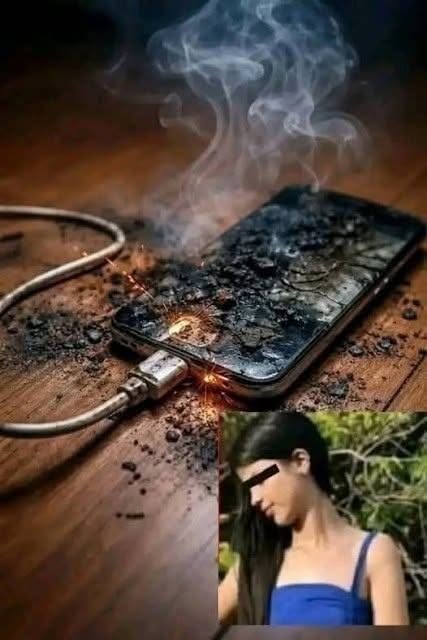
Learn which unsafe phone-charging habits can cause overheating, battery damage, electric shock, or fire, and discover safer ways to charge your phone.
We use our smartphones every day, and charging them has become such a normal part of our routine that it is easy to overlook potential safety problems.
However, the way you position your phone, charger, cable, or charging adapter can matter. Covering a phone while it is charging, using damaged cables, placing the charger under bedding, or using poor-quality charging accessories can increase heat buildup and create unnecessary safety risks.
So, what should you avoid when charging your phone, and why?
Never Charge Your Phone Like This
One of the most common unsafe habits is charging a phone in a place where heat cannot escape.
For example, avoid placing a charging phone:
- Under a pillow
- Under a blanket
- Between a mattress and bed frame
- Under clothing
- Inside a bag or tightly enclosed space
- On soft surfaces that block ventilation
- Next to other heat-producing devices
When a phone charges, the battery and charging electronics can produce some heat. If that heat cannot dissipate properly, the temperature of the device can rise.
Excessive heat can negatively affect battery performance and, in extreme circumstances, contribute to battery failure or a fire.
Why You Shouldn’t Put a Charging Phone Under Your Pillow
Many people charge their phones beside their beds and may place the device under a pillow or blanket to keep it nearby.
This is not a good charging practice.
A pillow or blanket can trap heat around the phone and charger. It can also place pressure on the charging cable and connector.
A safer approach is to place your phone on a hard, stable, uncovered surface while it charges.
A bedside table, desk, or other suitable open surface is generally preferable to a bed or couch.
Don’t Use a Damaged Charging Cable
Your charging cable can wear out over time.
Pay attention to signs such as:
- Exposed wires
- Cracked or split insulation
- Bent or damaged connectors
- Loose connections
- Burn marks
- Unusual heat
- Intermittent charging
A damaged cable can create electrical or overheating hazards.
If a cable is visibly damaged, replacing it is safer than continuing to use it.
Be Careful With Cheap or Poor-Quality Chargers
Not all charging accessories are manufactured to the same safety standards.
A charger or cable from an unknown or unreliable source may not provide the expected electrical protection or quality control.
Whenever possible, use the charger supplied with your phone or a reputable compatible charger that meets the appropriate safety and charging standards for your device.
Cheap does not automatically mean dangerous, but price alone should not be the deciding factor when purchasing electrical accessories.
Keep the Charger Away From Water
Electricity and water are a dangerous combination.
Avoid charging your phone:
- Near a sink
- On a wet countertop
- Beside a bathtub
- With wet hands
- In an area where the charger or cable could become wet
If a charging accessory becomes wet, do not simply continue using it as though nothing happened. Disconnecting and replacing damaged equipment may be necessary, depending on what became wet and the manufacturer’s instructions.
Don’t Ignore Excessive Heat
Some warmth during charging can be normal.
However, if your phone, charger, or charging connector becomes unusually hot, pay attention.
Unusual heat can result from factors such as:
- A damaged cable
- A faulty charger
- Heavy phone use while charging
- A damaged battery
- High surrounding temperatures
- Poor ventilation
- An incompatible accessory
If the device becomes extremely hot, smells unusual, swells, smokes, or behaves abnormally, stop using it and disconnect it from power if it is safe to do so.
Do not attempt to puncture, crush, or open a swollen lithium-ion battery.
Avoid Charging in Direct Sunlight or Excessive Heat
High temperatures can place additional stress on lithium-ion batteries.
Try not to leave a charging phone:
- In direct sunlight
- Inside a hot vehicle
- Next to a heater
- On top of another heat-producing device
- In an enclosed area with poor airflow
Keeping the device within the temperature range recommended by the manufacturer can help protect battery performance and safety.
Don’t Bend or Trap the Charging Cable
Repeatedly bending a cable near the connector can damage the internal wires over time.
Avoid:
- Sharp bends
- Pulling the cable from the wire
- Placing heavy objects on the cable
- Closing doors or drawers on the cable
- Wrapping the cable extremely tightly
When disconnecting a charger, hold the connector rather than pulling forcefully on the cable.
Is It Safe to Use Your Phone While It Is Charging?
Using a phone while it is charging is not automatically dangerous.
However, intensive activities such as gaming, video recording, or other demanding applications can make the phone warmer. If the device is already hot, reducing use while charging can help it cool down.
The bigger safety concern is often heat, damaged equipment, poor ventilation, or faulty batteries, rather than simply touching or using the phone while it is plugged in.
What About Overnight Charging?
Modern smartphones are designed with charging-management systems that can reduce or stop charging when the battery reaches a high state of charge.
Nevertheless, good charging practices still matter.
If you charge your phone overnight, keep it on a hard, open surface rather than under bedding, and use an appropriate charger and cable in good condition.
Some modern phones also offer battery-protection or optimized-charging features designed to reduce the amount of time the battery remains at a very high charge level.
What Should You Do If Your Phone Battery Swells?
A swollen battery is a serious warning sign.
You may notice:
- The screen lifting away from the phone body
- A bulging back panel
- The phone becoming unusually thick
- Gaps appearing around the phone’s casing
- An unusual chemical smell
- Unexpected overheating
Do not puncture, squeeze, bend, or attempt to repair a swollen battery yourself.
Stop using the device and seek assistance from the manufacturer’s authorized service center or an appropriately qualified repair professional. Follow local guidance for safe disposal of damaged lithium-ion batteries.
The Safest Way to Charge Your Phone
A few simple habits can reduce unnecessary charging risks:
- Place the phone on a hard, uncovered surface.
- Keep it away from pillows, blankets, and other insulating materials.
- Use a reputable, compatible charger and cable.
- Replace damaged charging accessories.
- Keep charging equipment away from water.
- Avoid extreme heat and direct sunlight.
- Don’t ignore unusual overheating, swelling, smoke, or odors.
- Follow the charging and safety instructions provided by your phone manufacturer.
Final Thoughts
Charging your phone is normally a safe everyday activity when you use appropriate equipment and follow basic precautions.
The biggest mistake is not simply where the charger is plugged in, but creating conditions where heat becomes trapped or using damaged, unsuitable, or faulty charging equipment.
So, never place a charging phone underneath a pillow, blanket, or other material that can trap heat. Keep your phone and charger on a suitable open surface, inspect your cables regularly, and take unusual heat, swelling, smoke, or burning smells seriously.
A few simple precautions can help protect you, your phone, and your home.
Safety Disclaimer: This article provides general electrical and device-safety information and is not a substitute for the instructions supplied by your phone, charger, or battery manufacturer. If a device is smoking, sparking, severely overheating, or showing signs of battery failure, move away from it and contact appropriate emergency or professional services when necessary.