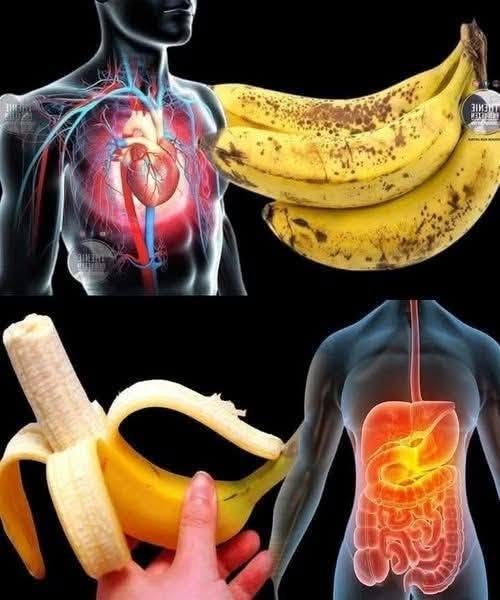
Bananas are one of the most popular fruits in the world, and there’s a good reason for that. They are naturally sweet, convenient, affordable, and provide several important nutrients. One of their best-known nutritional benefits is potassium.
Potassium is an essential mineral and electrolyte that your body needs every day. It plays an important role in maintaining normal muscle function, nerve signaling, fluid balance, and heart function.
How Much Potassium Does a Banana Provide?
A medium-sized banana provides roughly 400–450 milligrams of potassium, although the exact amount varies depending on the banana’s size and ripeness.
That makes bananas a convenient way to contribute to your daily potassium intake.
However, eating one banana does not mean you have consumed all the potassium your body needs. Potassium is also found naturally in many other foods, including vegetables, fruits, beans, dairy products, and fish.
Why Is Potassium Important?
Potassium helps maintain the balance of fluids and electrolytes inside and outside your cells. It is also involved in transmitting nerve signals and allowing muscles to contract normally.
Adequate potassium intake, when combined with an overall healthy diet, is associated with maintaining healthy blood pressure in many people.
Because potassium and sodium work together in regulating fluid balance and blood pressure, a diet containing plenty of potassium-rich foods and not excessive amounts of sodium can support cardiovascular health.
What About Bananas and Kidney Health?
This is where individual health conditions matter.
Healthy kidneys help regulate potassium levels by removing excess potassium from the body. For most people with normal kidney function, eating bananas as part of a balanced diet is not a problem.
However, people with chronic kidney disease (CKD), reduced kidney function, or certain medical conditions may have difficulty removing excess potassium. Some medications can also increase blood potassium levels.
For these individuals, eating large quantities of high-potassium foods may not be appropriate.
That does not mean everyone with kidney disease must automatically avoid bananas. Potassium recommendations should be based on the individual’s kidney function, blood-test results, medications, and advice from their healthcare professional.
Should You Eat Bananas Every Day?
For most healthy adults, a banana can be a nutritious addition to a balanced diet.
You can enjoy one:
- With oatmeal
- Alongside plain yogurt
- In a smoothie
- With whole-grain toast
- As a convenient snack
- Sliced over cereal
The key is variety. Instead of relying on one fruit every day, include different fruits and vegetables throughout the week to obtain a broad range of nutrients.
Can You Get Too Much Potassium?
Potassium from food is generally handled effectively by healthy kidneys. However, unusually high blood potassium levels—known as hyperkalemia—can be dangerous.
The risk is particularly important for people with impaired kidney function and for some people taking medications that affect potassium levels.
Possible symptoms of significantly abnormal potassium levels can include muscle weakness, abnormal heart rhythms, or other serious problems. High potassium may also occur without obvious symptoms, which is why people at risk may need regular blood testing.
The Bottom Line
Bananas are a nutritious source of potassium and can be part of a healthy diet for most people. Potassium supports normal muscle, nerve, heart, and fluid-balance functions.
If you have healthy kidney function, there is generally no reason to fear the potassium in a normal serving of banana. But if you have kidney disease or have been told that your potassium level is high, talk with your healthcare professional before significantly increasing your intake of bananas or other potassium-rich foods.
A healthy diet isn’t about labeling individual foods as “good” or “bad.” It’s about choosing the right foods and portions for your individual health needs.