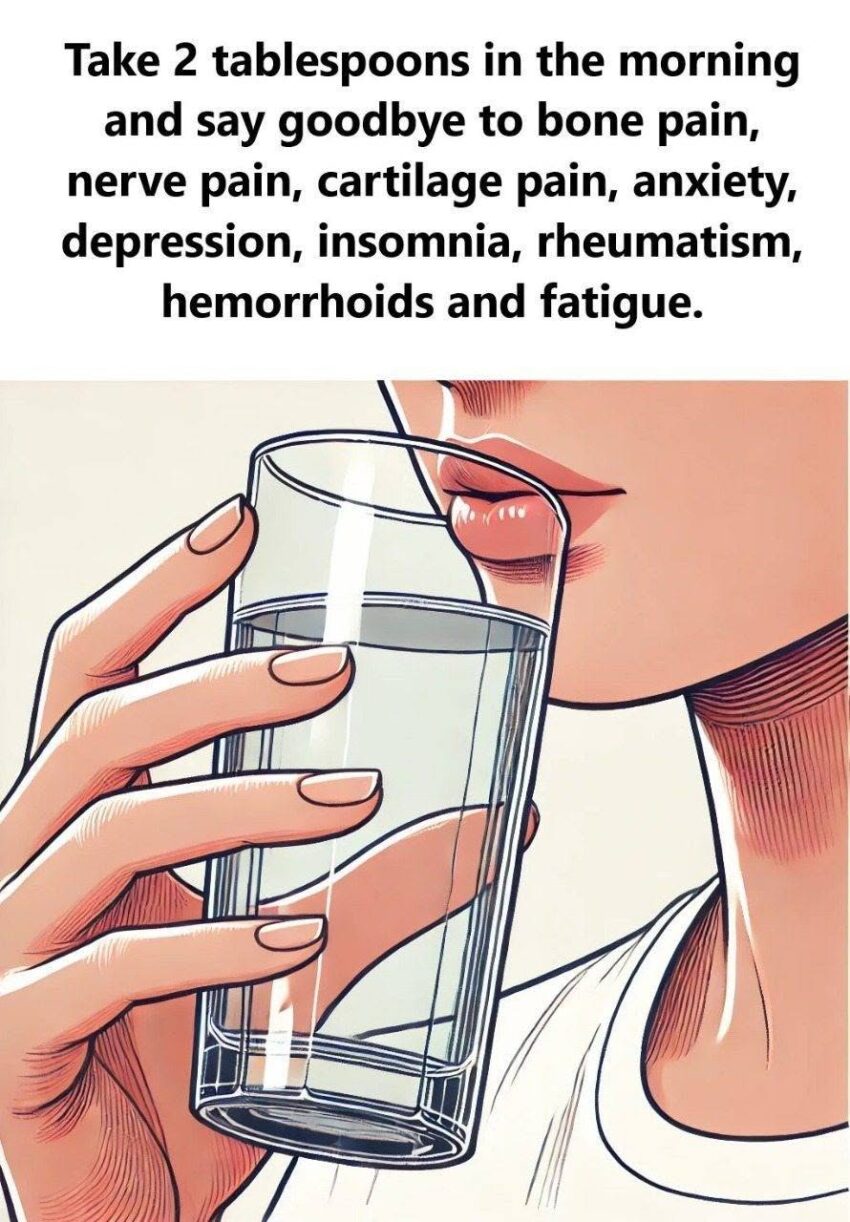
Can two spoonfuls of a natural remedy really help bone pain, diabetes, nerve problems, or depression? Learn what these claims mean and what evidence-based care recommends.
You may have seen online claims that taking two spoonfuls of a particular natural mixture every morning can treat everything from bone pain and diabetes to nerve problems and depression.
These claims are appealing because they suggest that one simple home remedy can solve several very different health problems. Unfortunately, there is no single natural remedy proven to cure bone pain, diabetes, nerve disorders, and depression at the same time.
Natural foods and herbs can certainly contain beneficial nutrients and compounds, but they should not be presented as replacements for medical treatment.
Why These Claims Can Be Misleading
Bone pain, diabetes, nerve symptoms, and depression have very different causes.
For example, bone or joint pain can be associated with injury, arthritis, vitamin deficiencies, inflammation, or other medical conditions. Diabetes involves problems with blood-glucose regulation, while nerve symptoms can have causes ranging from diabetes and nutritional deficiencies to nerve compression.
Depression is a complex mental-health condition that may require psychological therapy, medication, lifestyle changes, or a combination of treatments.
Because the underlying causes differ, it is unlikely that a single spoonful of food or supplement can address all of them.
Can Natural Foods Support Bone Health?
A nutritious diet can contribute to healthy bones.
Important nutrients include:
- Calcium
- Vitamin D
- Protein
- Magnesium
- Vitamin K
Good dietary sources include dairy products or fortified alternatives, leafy vegetables, beans, nuts, seeds, fish, eggs, and other nutrient-rich foods.
However, persistent or severe bone pain should be evaluated rather than treated indefinitely with a home remedy.
What About Diabetes?
People with diabetes need to be particularly careful with “natural cure” claims.
A food, herbal drink, or homemade mixture may contain carbohydrates or sugars that can actually affect blood glucose. Even products marketed as sugar-free can contain ingredients that influence blood sugar.
If you have diabetes, don’t stop prescribed medication because a natural remedy appears to improve your readings.
Instead, monitor your glucose as recommended and discuss dietary changes or supplements with your healthcare professional.
Can Supplements Help Nerve Health?
Some nutrients are important for normal nerve function, particularly B vitamins.
A deficiency in certain nutrients can contribute to neurological symptoms. However, taking large doses of vitamins without knowing whether you are deficient can also be harmful.
For example, excessive vitamin B6 from supplements can itself cause nerve damage.
If you experience persistent tingling, burning, numbness, weakness, or loss of sensation, the underlying cause should be investigated.
What About Depression?
Food and nutrition can support overall health, but there is no spoonful of a natural ingredient that has been proven to cure depression.
Depression can affect mood, sleep, appetite, concentration, motivation, and everyday functioning. Effective treatment may include talking therapy, medication, lifestyle changes, or combinations of these approaches.
If depressive symptoms are persistent or interfering with daily life, speaking with a qualified healthcare professional is important.
Why “Two Spoons” Is Not a Medical Dose
A common problem with viral health remedies is the use of a precise-sounding instruction such as “take two spoons every morning.”
The correct amount of a food, herb, or supplement depends on:
- The exact ingredient
- Its concentration
- The person’s age
- Existing medical conditions
- Other medications
- Kidney and liver function
- The reason it is being taken
Therefore, a universal two-spoon recommendation isn’t appropriate for everyone.
Natural Doesn’t Always Mean Safe
Herbal products and supplements can interact with prescription medications. Some can affect blood pressure, blood sugar, bleeding, or electrolyte levels.
This is especially important for people taking medication for diabetes, heart disease, blood pressure, depression, or other chronic conditions.
Older adults and people with kidney or liver problems should be particularly cautious about taking concentrated supplements without professional guidance.
A Better Approach to These Health Problems
Instead of relying on one supposed cure, focus on the underlying problem.
For bone or joint pain, identify the cause and ensure adequate nutrition, appropriate physical activity, and medical treatment when necessary.
For diabetes, prioritize blood-glucose monitoring, a balanced eating pattern, physical activity, weight management when appropriate, and prescribed treatment.
For nerve symptoms, investigate possible causes such as diabetes, vitamin deficiencies, medications, or nerve compression.
For depression, seek appropriate mental-health support rather than relying solely on supplements or home remedies.
Final Thoughts
The idea that two spoonfuls every morning can cure bone pain, diabetes, nerve problems, and depression is not supported by reliable medical evidence.
Some natural foods can be valuable parts of a healthy diet, but they shouldn’t replace proven treatments. If a particular home remedy is being promoted for several unrelated medical conditions, check the ingredients and evidence before trying it—especially if you take prescription medication.
The safest “natural remedy” is often a nutritious diet, regular movement, adequate sleep, and appropriate medical care tailored to the actual cause of the symptoms.