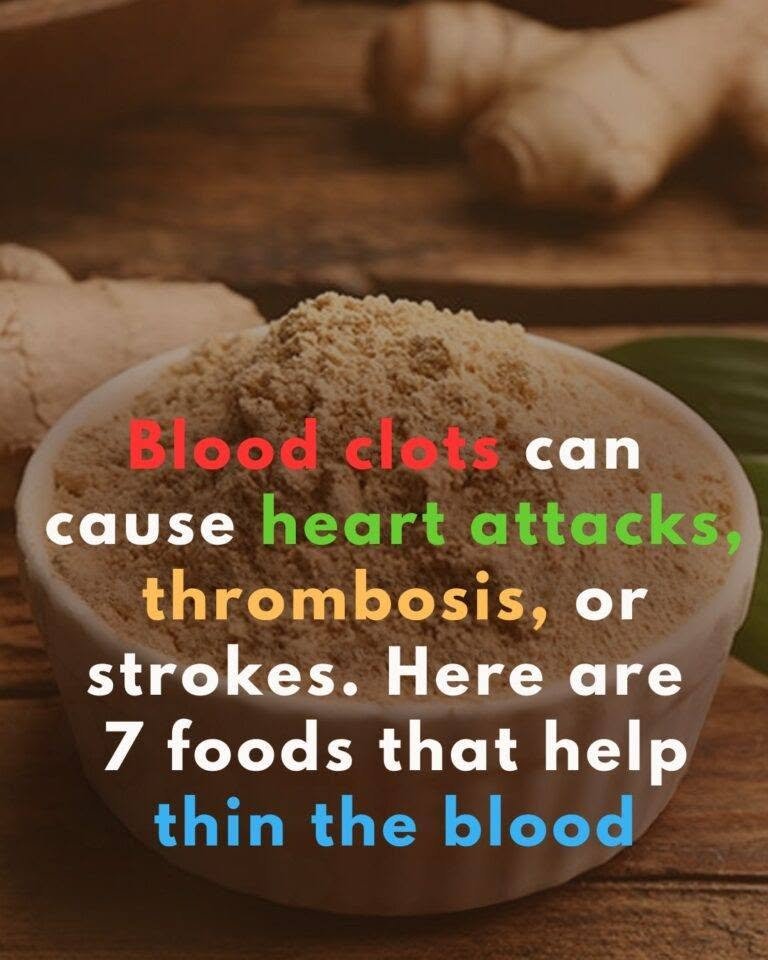
Discover 7 nutritious foods that may support healthy blood flow and cardiovascular health, plus important safety tips about blood thinners and food interactions.
When people hear the phrase “blood-thinning foods,” they often think of foods that can work like anticoagulant medications. In reality, no food can reliably replace prescribed blood thinners.
However, certain foods contain compounds that may support cardiovascular health, healthy circulation, and normal platelet function. Including these foods in a balanced diet may be beneficial, but people taking anticoagulant or antiplatelet medications should be careful about making major dietary changes.
1. Garlic
Garlic contains sulfur-containing compounds, including allicin, that have been studied for their potential effects on cardiovascular health and platelet activity.
Adding fresh garlic to meals can be an easy way to increase flavor without relying heavily on salt.
However, concentrated garlic supplements may have stronger effects and could potentially increase bleeding risk, particularly when combined with certain medications.
2. Ginger
Ginger is widely used as a culinary spice and contains biologically active compounds such as gingerols and shogaols.
Research has investigated ginger’s potential effects on inflammation, cardiovascular health, and platelet function. However, this does not mean that eating ginger produces the same anticoagulant effect as prescription medication.
Fresh ginger can be added to tea, stir-fries, soups, or meals.
3. Fatty Fish
Fatty fish such as salmon, sardines, mackerel, and trout provide omega-3 fatty acids.
Omega-3 fats are well known for supporting cardiovascular health and may influence platelet function and triglyceride levels.
Including fish as part of a balanced eating pattern can be a heart-healthy choice. However, extremely high-dose fish-oil supplements are different from eating normal portions of fish and should be discussed with a healthcare professional if you take blood-thinning medication.
4. Turmeric
Turmeric contains curcumin, a compound that has been studied for its anti-inflammatory and other biological properties.
Using turmeric in normal culinary amounts is generally different from taking concentrated curcumin supplements. Supplements can interact with medications, so people taking anticoagulants should consult their healthcare professional before using high-dose products.
Try adding turmeric to soups, vegetables, rice dishes, or curries.
5. Berries
Berries such as strawberries, blueberries, raspberries, and blackberries provide polyphenols, fiber, vitamins, and other plant compounds.
Rather than thinking of berries as literal “blood thinners,” it’s more accurate to consider them part of a heart-healthy diet that can support overall cardiovascular health.
Fresh or frozen berries can be added to oatmeal, plain yogurt, or smoothies.
6. Extra-Virgin Olive Oil
Extra-virgin olive oil contains monounsaturated fat and plant compounds called polyphenols.
Replacing foods high in saturated fats with unsaturated fats, including olive oil, can be part of a dietary pattern that supports cardiovascular health.
Use it as a dressing for vegetables and salads or as a cooking ingredient.
7. Dark Chocolate and Cocoa
Unsweetened cocoa and dark chocolate contain flavanols, plant compounds that have been studied for their potential cardiovascular effects.
If choosing dark chocolate, look for products with a higher cocoa content and keep portions moderate because chocolate can still contain substantial calories and, depending on the product, added sugar.
Important: Food Is Not a Substitute for Blood Thinners
Prescription anticoagulants and antiplatelet medications are carefully dosed to reduce the risk of dangerous blood clots.
Foods should never be used as a replacement for medication prescribed for conditions such as atrial fibrillation, deep-vein thrombosis, pulmonary embolism, or after certain cardiovascular procedures.
If you take a blood thinner, don’t suddenly start consuming large amounts of garlic, ginger, turmeric, fish-oil supplements, or other concentrated products without speaking with your healthcare professional.
What About Vitamin K?
If you take warfarin, vitamin K deserves special attention.
Foods such as spinach, kale, collard greens, and other leafy green vegetables are rich in vitamin K. You generally do not need to eliminate these nutritious foods, but suddenly changing how much vitamin K you consume can affect warfarin management.
The goal is usually to maintain a consistent dietary pattern and follow the monitoring instructions provided by your healthcare professional.
The Bottom Line
Garlic, ginger, fatty fish, turmeric, berries, extra-virgin olive oil, and cocoa-rich foods can all fit into a nutritious, heart-conscious diet. But calling them “powerful blood thinners” can be misleading.
These foods may support aspects of cardiovascular health, but they do not have the predictable or medically controlled effects of anticoagulant medications.
If you’re taking a blood thinner or have a condition that increases your risk of bleeding or blood clots, speak with your doctor or pharmacist before making major dietary or supplement changes.