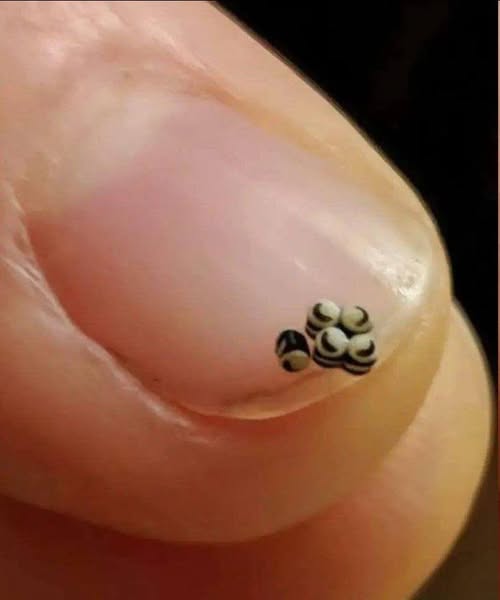
Small black spots on salad can have many causes, from harmless food discoloration to contamination. Learn what to check, when to stop eating, and when medical attention is necessary.
You order a fresh salad expecting something light and healthy. Then, just before taking another bite, you notice something strange: small black spots scattered across the vegetables.
At first, it may be easy to assume they’re simply pieces of pepper, seasoning, or a naturally dark part of a vegetable. But when the spots don’t look familiar, the safest response is to stop eating and investigate rather than guessing.
What Could the Black Spots Be?
Black or dark spots on salad don’t automatically mean that the food is poisonous.
Depending on the ingredients, they could be caused by:
- Naturally dark vegetable tissue
- Bruising or oxidation
- Mold
- Soil or plant debris
- Burnt or overcooked ingredients
- Spices or seeds
- Insect-related damage
- Spoilage or microbial contamination
The appearance alone usually isn’t enough to identify the cause.
Mold Is One Possibility
If the spots are accompanied by fuzzy growth, an unusual smell, slimy texture, or obvious deterioration, mold or spoilage becomes more concerning.
Mold can spread beyond the area that is immediately visible, particularly in soft, moist foods.
Simply scraping off the affected spots isn’t necessarily a safe way to make contaminated food edible.
What About Insects or Their Eggs?
Occasionally, damaged leafy vegetables can contain insects or insect-related material.
Finding a small insect doesn’t necessarily mean someone will become seriously ill, but it is a reason to stop and inspect the food carefully.
If the salad was purchased from a restaurant or food business, take photographs and inform the establishment so they can investigate the ingredients and food-handling practices.
Don’t Panic—But Don’t Keep Eating It
If you discover unexplained black spots, the safest immediate step is simple:
Stop eating the food.
If you’re in a restaurant, ask staff to remove the dish and explain your concern.
If you’re at home, don’t taste suspicious food again simply to determine what it is.
If possible, keep the remaining food and packaging refrigerated and retain your receipt or order information. These details can be useful if illness develops or the food needs to be investigated.
When Should You Go to the Hospital?
Simply seeing black spots in food doesn’t automatically mean you need to go to a hospital.
However, seek urgent medical attention if after eating suspicious food you develop serious symptoms such as:
- Difficulty breathing
- Swelling of the lips, tongue, or throat
- Fainting or severe weakness
- Severe or persistent vomiting
- Bloody diarrhea
- Severe abdominal pain
- Signs of significant dehydration
- Confusion or unusual drowsiness
A serious allergic reaction can occur rapidly and requires emergency treatment.
What About Food Poisoning?
Foodborne illness can cause symptoms such as nausea, vomiting, diarrhea, abdominal cramps, and fever.
Symptoms don’t always appear immediately. Depending on the organism or toxin involved, illness can begin within hours or take several days.
Most mild cases improve with fluids and rest, but severe symptoms or dehydration require medical evaluation.
A Photograph Can Help
If you’re unsure what the spots are, take a clear photograph before throwing the food away.
Include:
- A close-up of the spots
- A wider photograph showing the entire dish
- The ingredients, if known
- The restaurant packaging or product label, if applicable
A photograph may help a food professional or healthcare professional understand what happened, although a photo alone cannot reliably identify contamination.
Don’t Trust Viral “Food Mystery” Diagnoses
Internet posts sometimes claim that mysterious black dots are definitely parasites, insect eggs, toxic chemicals, or dangerous bacteria.
Those conclusions often cannot be made from appearance alone.
Different foods can develop similar-looking spots for completely different reasons. If there’s genuine concern about contamination, professional food-safety or medical assessment is much more reliable than an online guess.
Final Thoughts
Finding unexplained black spots in a salad can certainly be unsettling, but the spots themselves don’t automatically indicate dangerous contamination.
Stop eating the food, document what you found, notify the restaurant or seller if appropriate, and monitor for symptoms. If serious symptoms develop—particularly breathing difficulty, fainting, severe dehydration, bloody diarrhea, or severe abdominal pain—seek medical attention promptly.
And if you already went to the hospital because you developed symptoms after eating the salad, follow the medical team’s instructions and let them know exactly what you ate and when you ate it.